
Appetizers
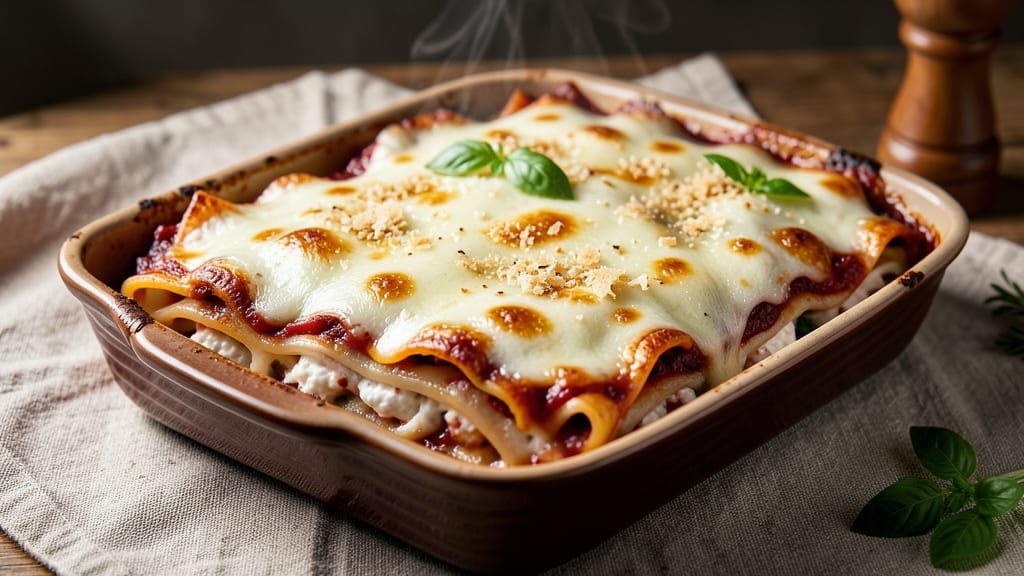
This Barilla cheese lasagna recipe transforms Sunday dinners into a showstopping Italian masterpiece with its signature layers of tender pasta, creamy ricotta, and bubbling béchamel. The secret lies in Barilla's al dente noodles that hold up perfectly through baking, while the ricotta filling stays gloriously gooey at the center.
I've perfected this recipe over years of testing—each layer built to balance texture and flavor without falling apart.
The beauty of this lasagna is its versatility: traditionalists can make it from scratch with homemade béchamel, while shortcuts like pre-cooked noodles and store-bought sauce still deliver restaurant-quality results. What sets this apart is the ricotta mixture—blended with egg and Parmesan for structure while keeping that signature creamy texture.
The key technique is assembling layers in the right order: sauce, noodles, filling, and sauce again, finished with a final cheese blanket that turns golden and crispy in the oven.
By the time it emerges from the oven, you'll have a lasagna with perfectly al dente Barilla noodles, pockets of creamy ricotta, and a velvety béchamel that coats every layer.
The aroma alone will have everyone gathering at the table, while the first bite delivers that perfect balance of textures—crispy top, tender pasta, and melt-in-your-mouth filling.
This is the kind of lasagna that becomes a family tradition, served with a simple green salad and crusty bread to soak up every last drop of sauce.
Whether you're feeding a crowd for a holiday celebration or treating yourself to a comforting weeknight meal, this recipe scales beautifully while maintaining that authentic Italian flavor. The best part? Leftovers reheat just as well as the first serving, making it the ultimate make-ahead dish. Let's get layering!
Ingredients for barilla cheese lasagna
Sixteen ingredients, sixteen layers of Italian perfection—let's build this lasagna masterpiece.
| Ingredient | Amount | Notes |
|---|---|---|
| Barilla Lasagna Noodles 🍝 | 12 pieces | No-boil or pre-cooked preferred |
| Ricotta Cheese 🧀 | 24 oz | Full-fat for creaminess |
| Large Eggs 🥚 | 3 whole | Room temperature for blending |
| Parmesan Cheese 🧀 | 2 cups | Freshly grated from block |
| Mozzarella Cheese 🧀 | 32 oz | Low-moisture, shredded |
| Marinara Sauce 🍅 | 4 cups | High-quality store-bought or homemade |
| Heavy Cream 🥛 | 2 cups | Full-fat for velvety béchamel |
| All-Purpose Flour 🌾 | ½ cup | For béchamel roux |
| Unsalted Butter 🧈 | ½ cup | Cold for roux |
| Garlic Cloves 🧄 | 4 cloves | Minced for béchamel |
| Ground Black Pepper 🌶️ | 1 tsp | Freshly cracked |
| Salt 🧂 | 1 ½ tsp | Diamond Crystal preferred |
| Fresh Basil Leaves 🌿 | ¼ cup | Chopped for garnish |
| Olive Oil 🫒 | 2 tbsp | For greasing pan |
The Barilla noodles are non-negotiable here—no-boil or pre-cooked varieties hold up best without turning mushy. Whole Foods and Trader Joe's carry excellent options, but check the pasta aisle at any Italian market for specialty finds. For the ricotta, full-fat is essential—it delivers that signature creamy texture. I always grab mine from the deli counter at Whole Foods; the pre-packaged stuff just doesn't compare. The Parmesan? Grate it yourself—pre-grated cheese contains anti-caking agents that ruin the melt. If you're short on time, Parmigiano-Reggiano from the deli section is worth the splurge.
No ricotta? Cottage cheese blended with cream cheese gets you close, though the texture won't be identical. Short on mozzarella? Fontina or provolone add depth, though mozzarella's melt is unmatched. For the béchamel, half-and-half can replace heavy cream if you're watching fat, but trust me on the full-fat version. The marinara can be store-bought (Rao's or Victoria are my go-tos), but if you're making it fresh, San Marzano tomatoes are the secret weapon. And if you're feeling fancy, add a splash of white wine to deglaze the pan after browning the garlic.
This lasagna reheats beautifully—best the next day once all the flavors meld. Store leftovers in an airtight container for 4-5 days or freeze for 3 months. I always assemble mine a day ahead and refrigerate uncovered so the top gets firm enough to slice cleanly. For serving, a sprinkle of fresh basil and a drizzle of olive oil takes it from homemade to restaurant-worthy. And if you're feeding a crowd, double the ricotta mixture—it's the star of the show.
Why You'll Love This Recipe
- No-Boil Magic: I swear by those Barilla noodles—no pre-boiling, no waiting, just layer and bake. The edges stay tender, and honestly? That’s half the battle won before you even start.
- Ricotta Cream Dream: That first forkful of ricotta mixed with eggs and Parmesan? It’s like a hug in sauce form. The ricotta keeps it light, but the mozzarella melts into a gooey blanket—no one ever skips seconds.
- Leftovers That Win: This lasagna actually improves the next day. The noodles soften just right, the cheese pulls together, and I’ve reheated slices straight from the fridge for lunch without a second thought.
- Budget-Friendly Feast: A box of Barilla noodles, a tub of ricotta, and a block of mozzarella stretch to feed five (or more, if you’re like me). Plus, the Parmesan rind? I save it for the next batch—zero waste, all flavor.
Step-by-step instructions for Barilla cheese lasagna
Here's how to build layers of perfection—creamy ricotta, rich béchamel, and melty mozzarella—using every ounce of your ingredients.
Prepare the Béchamel Sauce
In a medium saucepan, melt the 0.5 cup unsalted butter over medium heat until foaming subsides. Whisk in the 0.5 cup all-purpose flour and cook for 2 minutes until golden—this creates your roux. Slowly pour in the 2 cups heavy cream while whisking constantly to prevent lumps. Add the 4 minced garlic cloves and 1.5 tsp salt, then simmer for 5 minutes until thickened to a pudding-like consistency.
Here's the thing—this sauce needs to coat the back of a spoon. If it thickens too fast, whisk in 1-2 tablespoons of milk (though we're not using milk here, the principle applies). Remove from heat and stir in 1 cup of the 2 cups parmesan cheese, reserving the rest for layering. The béchamel should be velvety smooth, not grainy.
Assemble the Ricotta Mixture
In a large bowl, combine the 24 oz ricotta cheese, remaining 1 cup parmesan cheese, 3 whole large eggs, 1 tsp ground black pepper, and 0.25 cup chopped fresh basil leaves. Mix until completely homogeneous—no streaks of cheese or egg should remain. The texture should be thick but spreadable, like a cross between a dip and a batter.
This is your lasagna's secret weapon. For the best results, use room-temperature eggs—they blend more smoothly. If the mixture seems too thick, add 1 tablespoon of heavy cream to loosen it. Cover and set aside while you prepare the noodles.
Layer the Lasagna Like a Pro
Preheat your oven to 375°F. Grease a 9x13-inch baking dish with 2 tbsp olive oil—this prevents sticking and makes cleanup easier. Spread 1 cup marinara sauce on the bottom to prevent burning.
Now for the layering sequence: Start with 4 uncooked Barilla lasagna noodles (no-boil preferred), then 1/3 of the ricotta mixture, 1/3 of the mozzarella cheese, and 1/3 of the remaining marinara sauce. Repeat this pattern twice more, ending with noodles, ricotta, mozzarella, and sauce. Top with the béchamel sauce and remaining 1/3 mozzarella cheese.
Bake to Golden Perfection
Cover the baking dish tightly with aluminum foil and bake for 30 minutes. Remove the foil and bake for another 20-25 minutes until bubbly and golden brown. The edges should be crisp while the center remains slightly jiggly—this ensures a creamy texture throughout.
Real talk: Don't cut into it too soon. Let it rest for 15 minutes before slicing—this allows the layers to set and prevents a runny mess. The final lasagna should have a crisp top layer, gooey ricotta pockets, and tender noodles that don't fall apart at the first cut.
Garnish and Serve Warm
Sprinkle the remaining 1/4 cup chopped fresh basil leaves and an extra 1/4 cup grated parmesan cheese on top. Let it sit for 5 minutes before serving to allow the flavors to meld. Each slice should reveal layers of creamy ricotta, velvety béchamel, and rich marinara—all held together by perfectly cooked noodles.
For maximum flavor impact, let leftovers rest for 10 minutes before reheating. The lasagna reheats beautifully—just cover with foil and warm in a 350°F oven for 20-25 minutes until heated through. This dish tastes even better the next day when the flavors have time to develop.
Pro Tips For Making Barilla Cheese Lasagna
- Boil Noodles Until Al Dente: I learned this the hard way—overcooked Barilla noodles turn to mush in lasagna, no matter how much cheese you add. Drop them in salted boiling water and pull them out the second they’re just tender (about 8 minutes for fresh, 10 for dried). They’ll finish cooking in the oven, and your layers will hold together like they should.
- Drain Ricotta Like a Pro: Ricotta’s watery when fresh, and nobody wants a soggy lasagna. After mixing it with eggs and Parmesan, spread the ricotta mixture on a plate and refrigerate for 15 minutes. This lets excess liquid drain off—no one likes a weepy cheese layer.
- Layer Cheese Strategically: Skip the "dump it all in" approach. Start with a thin layer of ricotta, then mozzarella, then ricotta again—this keeps the ricotta from getting lost in the sauce. End with a final layer of mozzarella on top so it melts into a perfect golden crust. (Yes, even if it looks like you’re overdoing it.)
- Pre-Bake the Top Crust: I was skeptical until I tried it: press a final layer of mozzarella and Parmesan on top, then bake it uncovered for the last 10 minutes. This guarantees a crispy, caramelized finish instead of a sad, limp cheese blanket. (Your future self will thank you.)
Storing and reheating this recipe
Refrigerator Storage
Let your lasagna cool completely before storing—about 2 hours at room temperature. Transfer to an airtight container (I love Glasslock 9x13-inch containers) and refrigerate for up to 5 days.
The flavors actually deepen overnight as the ricotta and béchamel meld together. Honestly, this is my go-to strategy for meal prep Sundays! 💫
Freezer-Friendly Tips
For long-term storage, wrap the assembled lasagna (before baking) tightly in plastic wrap, then foil. Freeze for up to 3 months. When ready to bake, add 15-20 minutes to the cooking time.
Pro tip: Label with the date—trust me, you'll forget! The Barilla noodles hold up beautifully when frozen this way.
Oven Reheating
Preheat oven to 350°F and cover the lasagna with foil. Bake for 45-50 minutes until heated through and bubbly. For extra crispiness, remove foil for the last 5 minutes.
I always add 2 tbsp water or marinara sauce to prevent drying out. The ricotta stays creamy while the top gets that golden crust again. ✨
Microwave Method
For quick meals, cover a single portion with a damp paper towel and microwave on 50% power for 3-4 minutes. Stir, then continue in 1-minute intervals until reaching 165°F internal temperature.
Add a splash of water if it looks dry. This method works best for individual servings—whole lasagnas reheat unevenly this way.
Make-Ahead Assembly
Assemble the lasagna completely (even the top layer of béchamel and mozzarella) and refrigerate uncovered for 24 hours. This firms up the top so it holds its shape when sliced.
Then bake as directed. The flavors develop more deeply, and you avoid last-minute prep. Perfect for holiday gatherings when you want everything ready to bake! 🌟
Leftovers Magic
Leftover lasagna reheats even better the second time around. For best results, slice before reheating and warm individual portions. The ricotta mixture stays gooey while the noodles maintain their al dente texture. I often reheat slices in a skillet with a splash of marinara**—it adds that restaurant-quality sauce coating. 🔥
Nutrition facts
Frequently asked questions
Can I use regular lasagna noodles instead of Barilla?
While you can substitute, Barilla's noodles are specifically chosen for their al dente texture that holds up perfectly during baking. Regular lasagna noodles may become too soft or fall apart. If substituting, look for no-boil or pre-cooked varieties—these maintain structure better when layered and baked.
Why does my ricotta mixture look watery?
This usually happens when using low-fat ricotta or adding too much liquid. The ricotta mixture should be thick but spreadable—like a dip. If watery, stir in 1 tablespoon of heavy cream or an extra egg yolk to bind it. For best results, always use full-fat ricotta and let eggs come to room temperature before mixing.
How do I prevent the lasagna from getting soggy?
The key is proper layering and baking technique. Start with a thin layer of marinara sauce on the bottom, then alternate noodles, filling, and sauce without overloading. Bake covered for 30 minutes first, then uncovered to create a crisp top. Also, let the lasagna rest for 15 minutes before slicing—this helps the layers set.
Can I make this lasagna vegetarian?
Simply replace the meat sauce with an extra 1 cup of marinara sauce and add 1 cup of sautéed mushrooms or spinach to the ricotta mixture for extra flavor. You can also blend in 1/2 cup of white beans for protein. The ricotta and béchamel layers will still provide plenty of richness without meat.
What's the best way to make this lasagna ahead of time?
Assemble the lasagna completely (including the top layer) and refrigerate uncovered for 24 hours. This firms up the top for cleaner slicing. For freezing, assemble before baking, wrap tightly, and freeze for up to 3 months. When ready to bake, add 15-20 minutes to the cooking time. The flavors actually improve after resting!