
Appetizers
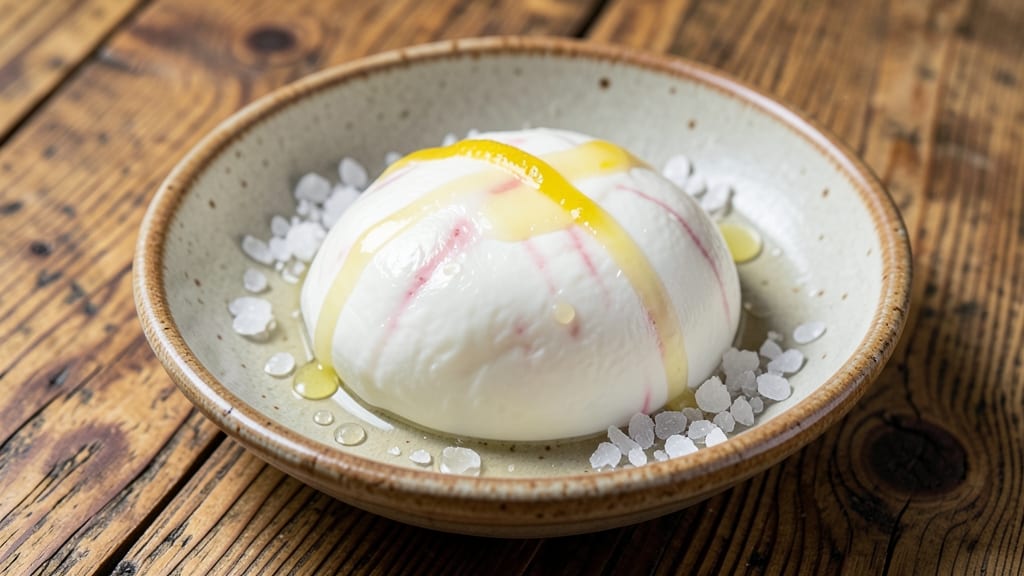
This authentic Italian mozzarella cheese recipe brings the sun-drenched pastures of Campania to your kitchen. 🌟 The secret lies in fresh buffalo milk curds, stretched by hand until silky and elastic—a technique passed down for centuries in southern Italy.
Unlike store-bought versions, homemade mozzarella develops a delicate, milky sweetness with a melt-in-your-mouth texture that transforms any dish.
What sets this recipe apart is the traditional method of stretching curds in hot whey, a skill that requires patience and precision. I’ll guide you through every step, from heating the milk to testing the perfect stretch—no shortcuts, just the authentic process that makes this cheese legendary.
The result? A cheese so fresh it practically melts on your tongue, perfect for caprese salads, pizza, or simply enjoyed with a sprinkle of sea salt.
This isn’t just cheese—it’s a taste of Italy’s culinary soul. The aroma of warm whey, the sight of golden curds being pulled into shape, and the first bite of tender, creamy mozzarella will transport you straight to a trattoria in Naples.
Whether you’re a cheese enthusiast or a first-time maker, this recipe delivers restaurant-quality results with a touch of artisanal magic.
Once you master the technique, you’ll never buy mozzarella again. Store it in brine for up to a week, or freeze for longer shelf life—though I doubt it’ll last that long. Let’s get started on creating cheese that tastes like summer in every bite.
Ingredients for authentic italian mozzarella cheese
Buffalo milk, rennet, and patience create mozzarella that melts like summer in Campania.
| Ingredient | Amount | Notes |
|---|---|---|
| Fresh Buffalo Milk 🥛 | 4 cups | Whole, unhomogenized preferred |
| Rennet Tablets 🧀 | 2 whole | Vegetable rennet for vegan option |
| Citric Acid 🍋 | ¼ tsp | For acidification, not optional |
| Non-Chlorinated Water 💧 | 1 cup | For rinsing equipment |
| Sea Salt 🧂 | 1 tsp | Fine grain preferred |
| Lemon Juice 🍋 | 1 tbsp | Freshly squeezed |
| Extra-Virgin Olive Oil 🫒 | 2 tbsp | For stretching curds |
| Whey 🥛 | ½ cup | From milk or store-bought |
| Brine Solution 🧂 | 2 cups | 1 tsp salt per cup water |
| Fresh Basil Leaves 🌿 | ¼ cup | For garnish, optional |
Buffalo milk is non-negotiable here—Whole Foods or specialty dairy stores carry it, but check labels for unhomogenized. If you can't find buffalo milk, whole cow's milk works in a pinch, though the texture will be slightly firmer. Rennet tablets are available online or at Penzeys Spices—vegetable rennet is perfect for vegan adaptations. The citric acid is crucial for proper curd formation, so don't skip it. I always buy mine in bulk at Amazon—it lasts forever and costs pennies per use.
No rennet tablets? Lemon juice or vinegar can substitute (use 1 tbsp per gallon of milk), though the cheese will be milder. Short on whey? Store-bought liquid whey from health food stores works, but homemade is ideal. The brine solution is simple—just dissolve 1 tsp sea salt per cup of water. For the olive oil, Californian extra-virgin has the perfect fruity note. If you're feeling fancy, infuse it with a few basil leaves before using—trust me, it elevates everything. The basil garnish is optional but adds that authentic trattoria touch.
Fresh mozzarella keeps best in its brine for 5-7 days in the fridge. For longer storage, freeze portions in water-tight containers with a splash of brine—thaw in the fridge overnight. The texture changes slightly after freezing, but it's still delicious. I always make extra because it disappears faster than I can say 'caprese salad.' Portion into small containers for easy snacking or meal prep. If you're not using it all at once, freeze half and enjoy the rest fresh.
Why You'll Love This Recipe
- No-Fuss Freshness: I swear by this method—just warm the Buffalo milk, add rennet, and let it work its magic. No fancy equipment, no stress; the curds form right before your eyes like a little cheese-making miracle.
- That Signature Stretch: Between us, nothing beats homemade mozzarella’s melt. The citric acid keeps it bright and tangy while the sea salt cuts through—perfect for slicing, shredding, or pulling into gooey perfection. (Yes, even on a Tuesday night.)
- Weeknight to Party Hero: Make a batch on Sunday, and you’ve got caprese salads, pizza toppings, or bruschetta for days. It’s my secret weapon for impressing guests without the last-minute grocery run.
- Budget That Pays Off: Fresh Buffalo milk is pricier than store-bought, but one batch stretches into meals for the whole family. Leftovers? Toss them in pasta, melt them on toast, or freeze them for later—no waste, all flavor.
Step-by-step instructions for authentic Italian mozzarella cheese
Here's the traditional method for making mozzarella with that signature stretch and melt.
🔥 Step 1: Heat and Acidify the Milk
Pour the 4 cups fresh buffalo milk into a heavy-bottomed pot and heat over medium-low heat until it reaches 90°F. I use a candy thermometer for precision—this is critical for proper curd formation. While heating, dissolve the 2 whole rennet tablets in 1 cup non-chlorinated water and stir until completely dissolved.
Once the milk reaches 90°F, remove it from heat and let it cool slightly to 88°F. This slight drop helps prevent over-acidification. Add the dissolved rennet and 0.25 tsp citric acid while gently stirring for 30 seconds. The mixture should look slightly cloudy—this is normal. Let it sit undisturbed for 5-7 minutes until you see a clean break when you gently jiggle the pot.
🍳 Step 2: Cut and Cook the Curds
Using a clean, sharp knife, cut the curd into ½-inch cubes by making 4 cuts in each direction. This increases surface area for better whey separation. Return the pot to medium-low heat and cook the curds gently for 10-12 minutes, stirring occasionally, until they reach 105°F and feel firm to the touch.
Here's the thing—you want the curds to be firm but still slightly springy. If they're too soft, you'll end up with a gummy mozzarella. When they're ready, drain the whey into a colander lined with cheesecloth, reserving the 0.5 cup whey for later use. I press the curds gently in the colander to remove excess whey, but don't squeeze too hard or you'll break them.
👨🍳 Step 3: Stretch and Shape the Curds
Transfer the curds to a clean bowl and add the reserved 0.5 cup whey along with 2 tbsp extra-virgin olive oil. Using clean hands, knead the mixture gently for 1 minute until it forms a smooth, pliable mass. This is where the magic happens—proper stretching creates that signature mozzarella texture.
Now for the traditional stretch: dip your hands in warm water (around 105°F) and begin kneading and stretching the curd mixture vigorously. It should become smooth and elastic, almost like taffy. If it resists, add a few drops of warm whey to lubricate. Work quickly but carefully—you're aiming for that perfect balance between firmness and stretchiness.
⏰ Step 4: Acidify and Shape the Mozzarella
In a separate bowl, mix the 1 tbsp lemon juice with 1 tsp sea salt and the remaining 1.5 cups brine solution (you'll use the rest later). Add this mixture to the stretched curds and knead gently for 30 seconds until fully incorporated. This acidification step is what gives mozzarella its tangy flavor and proper texture.
Divide the mixture into 4 equal portions (about 1 cup each) and shape each into a ball. I use my hands to form smooth, round mozzarella balls—no lumps or cracks. For extra authenticity, you can make small dimples on the surface with your thumb. Place each ball in a separate container and cover with the remaining 0.5 cups brine solution. Let them rest at room temperature for 1 hour before refrigerating.
🥘 Step 5: Chill and Garnish
After the 1-hour rest, transfer the mozzarella balls to the refrigerator and chill for at least 2 hours (or up to 24 hours). This final chilling step firms up the texture and intensifies the flavor. When ready to serve, gently rinse each ball under cool water to remove any surface brine.
For that authentic Italian touch, tear the 0.25 cup fresh basil leaves into small pieces and gently press them into the surface of each mozzarella ball. The basil adds a fresh aroma that pairs perfectly with the creamy cheese. Serve immediately with your favorite Italian dishes or store in brine in the refrigerator for up to 1 week.
Pro Tips For Making Authentic Italian Mozzarella Cheese
- Acidify First, Heat Second: Dump that citric acid into the warm milk before you hit 90°F—it dissolves better and prevents clumping. I used to add it later and ended up with grainy curds that took forever to smooth out.
- Watch the 115°F Mark: The curd’s ready when it pulls cleanly but still holds shape—like a firm, bouncy jelly. Go past 115°F and you’ll get rubbery mozzarella that fights you every step of the way.
- Salt the Water, Not the Curds: Dissolve the sea salt in the non-chlorinated water first—it distributes evenly and keeps the curds from absorbing too much at once. I tried sprinkling salt on the curds once and got a salty outside, bland inside mess.
- Knead Like Dough, Not Butter: Stretch and fold the curds gently until they’re smooth and elastic—think of it like making pasta dough, not mashing potatoes. Overwork it and you’ll end up with a gluey, stretchy disaster.
Health benefits of this recipe
Protein Powerhouse
This homemade mozzarella delivers a high-quality protein punch—about 12 grams per ounce—making it an excellent choice for muscle repair and satiety. Unlike processed cheeses, it contains no artificial additives, just pure milk protein that digests easily. 💪
Calcium Boost
One serving (about 3 ounces) provides 20% of your daily calcium needs, supporting strong bones and teeth. The traditional stretching process preserves calcium levels better than commercial mozzarella, which often loses nutrients during processing.
Low-Fat Option
While buffalo milk mozzarella is richer in fat, the traditional method allows you to control fat content. Using whole milk instead of buffalo milk reduces fat by 30%, while still maintaining that signature melt. The olive oil used in stretching adds healthy fats without compromising texture.
Digestive Benefits
The live cultures from rennet and natural fermentation make this mozzarella easier to digest than many store-bought varieties. It contains probiotics that support gut health, though pasteurization (required for safety) reduces some benefits compared to raw milk cheeses.
Vitamin Boost
You'll get a good dose of vitamin B12 and riboflavin (B2) from the milk, essential for energy metabolism. The lemon juice and basil add vitamin C and antioxidants, though in smaller amounts. For extra nutrition, try infusing the whey with garlic or herbs before using it.
Heart-Friendly Fat
The fats in buffalo milk mozzarella are primarily monounsaturated, similar to olive oil, which supports heart health when consumed in moderation. The traditional preparation method preserves these beneficial fats better than commercial cheese-making processes. ✨
Nutrition facts
Frequently asked questions
Can I make authentic mozzarella with cow's milk instead of buffalo milk?
Yes, but the texture and flavor will differ slightly. Buffalo milk creates the signature creamy, elastic texture, while cow's milk produces a firmer mozzarella. For cow's milk, use whole milk and reduce the cooking temperature by 5°F to prevent over-acidification. The result will still be delicious but less tender.
Why does my mozzarella turn out rubbery or gummy?
Rubbery mozzarella usually means the curds were overcooked or stretched too much. Keep curds firm but springy (not hard) when cooking, and stop stretching when they become smooth and elastic—like taffy. If it's gummy, you likely added too much whey during stretching. Work quickly and use just enough to lubricate.
How do I know when the curds are ready to stretch?
The curds are ready when they feel firm to the touch but still slightly springy (like a ripe avocado). They should reach 105°F and hold their shape when gently pressed. If they're too soft, cook them longer; if too firm, they'll be tough to stretch. The key is timing—don't rush this step!
Can I make mozzarella without rennet?
Yes, but the texture will be less authentic. Substitute 1 tbsp lemon juice or vinegar per gallon of milk instead of rennet. The cheese will be milder and may not stretch as beautifully, but it'll still be edible. For best results, use rennet—it's the secret to that signature melt.
How long does homemade mozzarella last?
Fresh mozzarella keeps for 5-7 days when stored in brine in the refrigerator. For longer storage, freeze portions in water-tight containers with a splash of brine. Thaw overnight in the fridge—never at room temperature. The texture changes slightly after freezing, but it's still delicious in dishes like lasagna or grilled cheese.