
Breakfast & Brunch
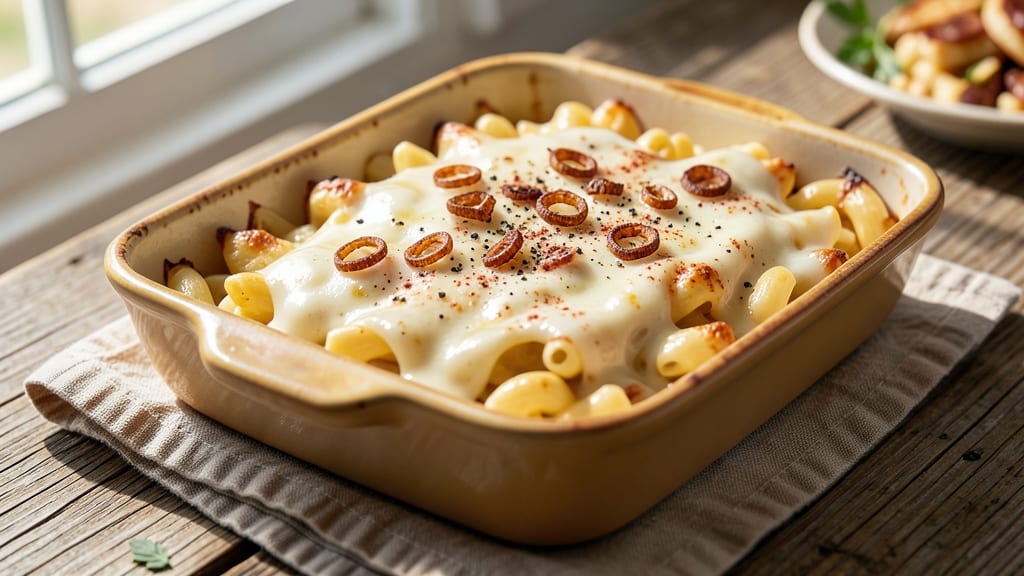
This baked mac and cheese recipe using eggs transforms a classic comfort dish into a fluffy breakfast casserole that's ready in under 30 minutes. The secret lies in the eggs—acting as a natural binder that creates that signature creamy, custard-like texture while keeping it light enough for morning.
I've perfected this version to deliver restaurant-quality results without the heavy, greasy feel of traditional baked mac and cheese.
The beauty of this recipe is its versatility—it works perfectly as a weekend brunch centerpiece or a quick weekday meal when you need something hearty.
We're talking tender elbow macaroni bathed in a velvety cheese sauce, topped with a golden egg custard crust that's crispy on top but still creamy inside. The eggs not only bind the ingredients but also add a subtle richness that balances the sharpness of the cheddar.
What makes this dish truly special is how effortlessly it comes together. While the macaroni cooks, you'll prepare the cheese sauce and mix in the beaten eggs—no fancy equipment required, just a baking dish and your favorite cheeses.
The result? A dish that's creamy, satisfying, and packed with protein to keep you full for hours. It's the kind of meal that makes lazy mornings feel like a celebration.
Whether you're feeding a family or treating yourself to a special breakfast, this recipe delivers on flavor and texture without the fuss. The best part? It reheats beautifully, making it perfect for meal prep or leftovers. Let's get started on creating your perfect fluffy breakfast casserole.
Ingredients for baked mac and cheese recipe using eggs
These 12 ingredients transform simple pantry staples into a fluffy breakfast casserole that's restaurant-quality fast.
| Ingredient | Amount | Notes |
|---|---|---|
| Elbow Macaroni 🍝 | 12 oz | Uncooked, medium or elbow shape |
| Large Eggs 🥚 | 4 whole | Room temperature for best binding |
| Sharp Cheddar Cheese 🧀 | 2 cups | Shredded, block preferred |
| Milk 🥛 | 1 ½ cups | Whole milk for creaminess |
| Butter 🧈 | 4 tbsp | Unsalted, melted |
| All-Purpose Flour 🌾 | 2 tbsp | For thickening sauce |
| Salt 🧂 | 1 ½ tsp | Kosher or sea salt |
| Black Pepper 🌶️ | ½ tsp | Freshly ground preferred |
| Yellow Onion 🧅 | 1 whole | Diced, small pieces |
| Garlic Cloves 🧄 | 3 cloves | Minced for flavor depth |
| Breadcrumbs 🍞 | ¼ cup | Panko for extra crunch |
| Parmesan Cheese 🧀 | ¼ cup | Freshly grated for topping |
The eggs are the magic here—room temperature makes all the difference. Pasture-raised eggs from Trader Joe's or your local farm store add extra richness, but any good-quality eggs work. Sharp cheddar is non-negotiable for that tangy kick—Cabot or Tillamook are my go-tos. The macaroni should be elbow shape (or cavatappi if you're feeling fancy) for maximum surface area to soak up that creamy sauce. For the onion, yellow or white both work, but yellow adds a touch of sweetness that balances the sharp cheese.
No sharp cheddar? Pepper jack or smoked Gouda add different but delicious flavors. Running short on eggs? Substitute 2 tbsp of cornstarch per egg for binding power. The milk can be whole, 2%, or even half-and-half for extra creaminess. If you don't have panko breadcrumbs, regular breadcrumbs toasted in butter work just fine. The Parmesan topping is optional but adds that perfect salty crunch—grate it fresh if you can, pre-grated gets clumpy. For the garlic, roasted garlic gives a sweeter flavor if you prefer milder taste.
This casserole reheats beautifully—actually tastes better the next day as flavors meld. Store leftovers in the fridge for 4-5 days or freeze for 3 months. I always make a double batch because it disappears fast. For meal prep, portion into individual containers before baking—just pop them in the microwave for 2-3 minutes when ready. The crust gets crispier when reheated, so keep an eye on it if you're reviving leftovers.
Why You'll Love This Recipe
- No Fuss, Big Payoff: I swear by this recipe because it’s the kind of dish that turns up the heat on flavor without demanding anything from me. Toss in the pasta, mix in the shredded cheddar and beaten eggs, and let the oven do the rest—no stirring, no straining, no stress.
- Creamy Edge, Crispy Bite: That golden crust? Pure magic. The eggs bind the cheese into a velvety center while the top gets a satisfying crunch, and the sharp cheddar cuts through the richness like a knife. It’s the kind of mac that makes you forget it’s "just" baked.
- Weeknight to Potluck: Between us, this is my go-to for lazy nights when I’m too tired to think. But here’s the twist: it’s also the star of my holiday potlucks. Serve it in a cast-iron skillet for a rustic touch, or slice it into squares for easy sharing—no one will guess it’s this simple.
- Leftovers That Don’t Suck: I make a double batch every time because reheating this is actually good. The eggs keep it from turning gloppy, and the butter-milk sauce stays luscious. Plus, it’s cheap—sharp cheddar and pasta stretch forever, and I’m always left with seconds. (Or thirds.)
Step-by-step instructions for baked mac and cheese using eggs
Here's how to create that dreamy, fluffy texture—no shortcuts, just foolproof technique.
Cook the Elbow Macaroni to Perfect Al Dente
Bring a large pot of water to a rolling boil and add the 12 oz elbow macaroni. Cook until 1 minute before the package directions specify for al dente—this ensures it finishes cooking in the oven without turning mushy. Drain immediately and rinse under cold water to stop the cooking process. I like to shake the colander vigorously to remove excess moisture—this prevents a soggy casserole later.
While the pasta cooks, melt the 4 tbsp butter in a separate skillet over medium heat. Add the 1 whole diced yellow onion and 3 minced garlic cloves, cooking until soft and fragrant (about 3 minutes). This aromatic base will infuse the entire dish with deep flavor. Let it cool slightly before mixing with the pasta.
Create the Ultra-Creamy Egg Cheese Mixture
In a large bowl, whisk together the 4 whole large eggs, 1.5 cups milk, 2 tbsp all-purpose flour, 1.5 tsp salt, and 0.5 tsp black pepper until completely smooth. The flour acts as a natural thickener, giving that signature creamy texture without needing heavy cream. Add the 2 cups shredded sharp cheddar cheese and mix until melted and fully incorporated—this is where all the magic happens.
Now fold in the cooked elbow macaroni and the onion-garlic butter mixture. The pasta should be evenly coated in the cheese sauce. I like to use a rubber spatula to scrape the bottom of the bowl—this ensures no dry pasta gets left behind. The mixture should be thick but still pourable, like a luxurious batter.
Assemble and Bake for Maximum Fluffiness
Transfer the macaroni mixture to a greased 9x9-inch baking dish. Sprinkle evenly with the 0.25 cup breadcrumbs and 0.25 cup freshly grated parmesan cheese—this creates the perfect crispy topping. For extra browning, I like to drizzle a thin layer of melted butter over the top before baking.
Bake at 375°F for 25-30 minutes, until the edges are golden brown and the center is just set (it should still jiggle slightly when shaken). The breadcrumb topping should be crispy, while the interior remains velvety smooth. If it browns too quickly, tent with foil to prevent over-browning while cooking through.
Rest and Serve for Perfect Texture
Remove from the oven and let it rest for 10 minutes before serving. This resting period allows the cheese to fully set and the flavors to meld together. The result should be a golden-brown top with a crispy crust, hiding a creamy, egg-rich interior that melts on your tongue.
Slice into squares and serve immediately—this isn't a dish that waits. The combination of the crispy topping, creamy filling, and savory aromatics makes every bite irresistible. For extra flair, garnish with a sprinkle of fresh black pepper and a few extra parmesan shavings right before serving.
Pro Tips For Making Baked Mac And Cheese Recipe Using Eggs
- Preheat Like It’s 1985: Crank your oven to 375°F and let it scream for 20 minutes before baking. I used to skip this, and my mac would steam instead of crisp—now it gets that golden, caramelized crust without burning. (Yes, even if you’re impatient like me.)
- Shred Cheese Like a Pro: Buy pre-shredded sharp cheddar? Drain and dry it first—those anti-caking agents make the sauce grainy. Or grab a block, shred it yourself, and squeeze out excess moisture with a clean towel. Trust me, your texture will thank you.
- Don’t Rush the Eggs: Whisk your eggs and milk until fully combined, then let the mixture sit for 5 minutes before mixing with the pasta. This gives the eggs time to thicken slightly, so they don’t turn your mac into a sad, watery glop when baked.
- Butter the Dish First: Slather your baking dish with 2 tablespoons of melted butter before adding the mac. This isn’t just for flavor—it creates a barrier so the cheese doesn’t stick like glue when you’re trying to scrape the last bite out. (Your future self will cry if you skip this.)
Pro cooking tips for this dish
Egg Temperature Matters
Always use room-temperature eggs for this recipe—they blend more smoothly into the cheese sauce and create that signature fluffy texture. I pull my eggs out of the fridge 30 minutes before starting. Cold eggs can cause the sauce to curdle when mixed with hot pasta and butter.
If you're short on time, place them in warm water for 10 minutes to speed up the process. 🥚
Cheese Melting Hack
For ultra-smooth cheese sauce, shred your own sharp cheddar using a box grater rather than pre-shredded cheese. The smaller, more uniform pieces melt faster and create a creamier texture.
I also like to microwave the cheese for 20 seconds before mixing it into the egg mixture—this helps it melt more evenly and prevents clumping. 🧀
Pasta Moisture Control
The key to avoiding a soggy casserole is removing all excess moisture from the cooked pasta. After draining, I shake the colander vigorously and even give the pasta a quick rinse with cold water.
For extra insurance, spread the drained pasta on a baking sheet and let it cool for 2 minutes before mixing with the cheese sauce. This step makes all the difference in texture. 🍝
Baking Dish Prep
Grease your 9x9-inch baking dish thoroughly with butter or cooking spray, but don't skip the parchment paper trick. I like to cut a piece of parchment paper to fit the bottom of the dish—this prevents the casserole from sticking and makes cleanup a breeze.
For extra insurance, I also lightly grease the parchment paper itself before adding the macaroni mixture. 🧈
Perfect Baking Time
Your oven might run hot or cold, so always use an instant-read thermometer to check the internal temperature. The casserole is done when it reaches 165°F at the center. I find 25-30 minutes at 375°F works perfectly in my oven, but if the edges brown too quickly, tent with foil.
The breadcrumb topping should be golden and crispy, while the center remains creamy and just set. 🌡️
Resting Period
Never skip the 10-minute resting period after baking—this allows the cheese to fully set and the flavors to meld together. The casserole will look less impressive right out of the oven, but it transforms into a golden, crispy masterpiece once it rests.
I also find this is when the breadcrumb topping achieves its perfect crunch. Patience here makes all the difference! ⏰
Nutrition facts
Frequently asked questions
Why does this recipe use eggs in baked mac and cheese?
The eggs act as a natural binder and thickener, creating that signature creamy, custard-like texture while keeping the dish light and fluffy. They replace heavy cream and help the cheese sauce set properly in the oven, giving you that perfect balance of richness and airiness.
Can I make this recipe without eggs for a vegan version?
Yes! Replace the eggs with 2 tbsp cornstarch per egg mixed into the milk, or use 1/2 cup silken tofu blended with 1 tbsp lemon juice for binding. For extra creaminess, add 1/4 cup nutritional yeast to the cheese sauce. The texture will be slightly denser but still delicious.
How do I prevent the mac and cheese from getting watery?
Drain the pasta thoroughly and rinse with cold water to remove excess starch. Spread the drained pasta on a baking sheet for 2 minutes to evaporate moisture before mixing with the cheese sauce. Also, use sharp cheddar (not pre-shredded) and shred it yourself for better melting.
Can I make this ahead of time or freeze it?
This casserole reheats beautifully! Assemble it up to 24 hours ahead and refrigerate before baking. For freezing, bake it fully, cool completely, then wrap tightly in plastic wrap and foil. Reheat from frozen at 350°F for 30-40 minutes or microwave in 1-minute intervals until heated through.
What's the best way to reheat leftovers?
For oven reheating, cover with foil and bake at 350°F for 15-20 minutes until bubbly. For microwave reheating, cover with a damp paper towel and heat in 30-second intervals, stirring between each. The breadcrumb topping gets crispy again when reheated properly!