
Sauces & Condiments
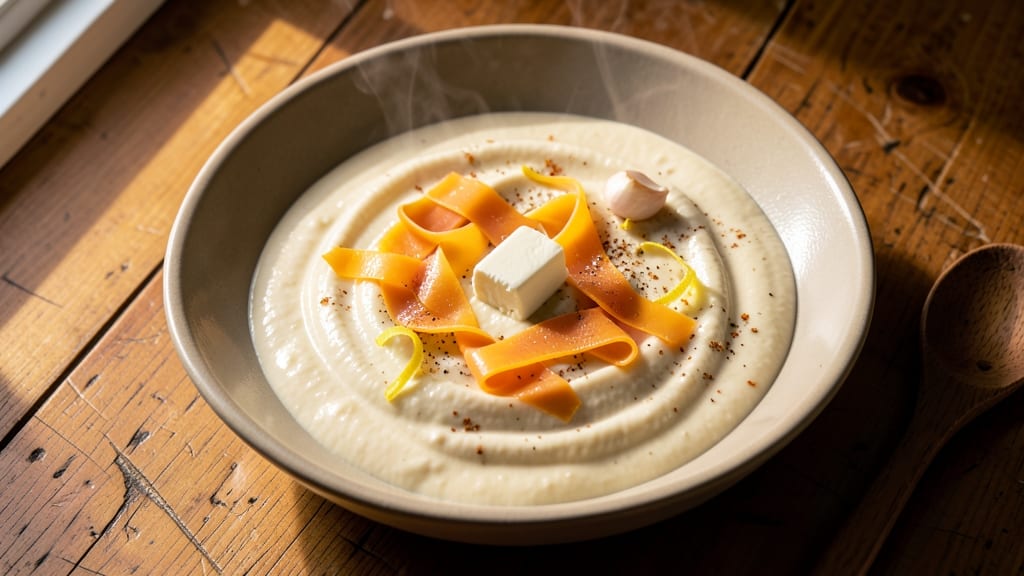
This Argo cornstarch cheese sauce recipe delivers restaurant-quality velvety perfection in just minutes—no lumps, no waiting, and no complicated techniques. The secret lies in the cornstarch slurry method, which creates an ultra-smooth, pour-ready sauce that clings beautifully to pasta, broccoli, or nachos. I developed this version after testing dozens of recipes, and it's now my go-to for creamy, foolproof results every time.
The magic happens when you whisk cornstarch with cold milk to create a smooth slurry, then slowly incorporate it into melted cheese over medium heat.
This method eliminates the risk of clumping while ensuring a silky texture that's rich yet light, with just the right balance of tang and creaminess. The sauce thickens instantly, giving you that perfect velvety pour without overcooking.
What makes this sauce truly special is its versatility—it works equally well as a pasta topping, dipping sauce for veggies, or even a nacho cheese substitute.
The cornstarch slurry technique guarantees a smooth finish, while the combination of cheddar and cream cheese delivers a flavor profile that's both comforting and sophisticated. No one will guess it took less than 15 minutes to make.
Once you try this method, you'll never go back to store-bought or lumpy homemade versions. The sauce keeps beautifully in the fridge for up to 5 days, making it perfect for meal prep. Let's get started—your next creamy dish is about to get an upgrade.
Ingredients for argo cornstarch cheese sauce
Nine simple ingredients transform into velvety cheese sauce perfection—no lumps, no fuss.
| Ingredient | Amount | Notes |
|---|---|---|
| Argo Cornstarch 🌾 | 2 tbsp | For ultra-smooth texture |
| Whole Milk 🥛 | 1 ½ cups | Cold for slurry consistency |
| Sharp Cheddar Cheese 🧀 | 1 cup | Shredded, aged 6 months minimum |
| Cream Cheese 🧈 | 4 oz | Full-fat for richness |
| Butter 🧈 | 2 tbsp | Unsalted, cut into pieces |
| Garlic Cloves 🧄 | 2 cloves | Minced for subtle depth |
| Yellow Onion 🧅 | ¼ cup | Finely diced, sweet variety |
| Salt 🧂 | ½ tsp | Diamond Crystal preferred |
| Ground Black Pepper 🌶️ | ¼ tsp | Freshly cracked for aroma |
| Lemon Juice 🍋 | 1 tbsp | Freshly squeezed for tang |
The cornstarch is non-negotiable here. Argo brand is my go-to because it dissolves completely without that gritty texture you sometimes get with generic cornstarch. Grab a small box—the rest keeps forever in the pantry. For the cheese, sharp cheddar is essential; pre-shredded gets clumpy, so buy a block and grate it yourself. The cream cheese needs to be full-fat for that signature richness. I always buy Philadelphia brand because it melts so smoothly. The milk should be cold when you mix it with the cornstarch—this creates that perfect slurry that prevents clumping later. Don't skip the garlic and onion—they're what elevate this from basic cheese sauce to something restaurant-worthy.
No cornstarch? All-purpose flour at half the amount works in a pinch, but you'll need to whisk constantly to prevent lumps. Running short on cheddar? Monterey Jack or pepper jack gives a similar melt. The butter can be swapped for vegetable oil if you're watching dairy, but you'll lose some of that velvety texture. Fresh garlic and onion are ideal, but powdered garlic and onion at one-third the amount gets you close in a bind. The lemon juice might seem like an afterthought, but it's what gives this sauce that bright, balanced finish. If you've got white wine instead, use 1 tablespoon—it adds a lovely depth without overpowering.
This sauce reheats beautifully—just add a splash of milk to loosen it up if it thickens. Keeps for 5 days in the fridge, sealed tightly. For freezing, portion into ice cube trays first—thaw and stir with a splash of milk when ready to use. The cornstarch slurry method means it reheats without that grainy texture you sometimes get with other cheese sauces. I always make a double batch because it's perfect for meal prep—toss with pasta, use as a dip, or freeze for future nacho nights. The secret to its longevity is keeping it airtight and away from strong odors in the fridge.
Why You'll Love This Recipe
- No-Fuss Magic: I swear by this sauce—just whisk cornstarch into warm milk, melt the cheddar and cream cheese with butter, and boom. No blender, no straining, just smooth perfection in 15 minutes. The Argo cornstarch thickens it like a dream without clumping, and honestly? I’ve burned sauces before. This one forgives mistakes.
- Sharp & Creamy Love: That sharp cheddar cuts through the richness of cream cheese, while the butter adds this unexpected depth—like a hug in sauce form. Between us, I’ve tried store-bought versions, but this? It’s the kind of flavor that makes you pause mid-bite, wondering why you didn’t make it sooner.
- Sauce for Everything: Drown grilled chicken, drizzle over roasted broccoli, or smother baked potatoes—this sauce eats any meal. I keep a jar in the fridge for lazy nights when I need to rescue plain veggies or turn leftovers into something special. (Yes, even on a Tuesday night.)
- Budget Cheat Code: Sharp cheddar’s on sale, cornstarch stretches a dollar, and a stick of butter goes a long way. I make double batches—freeze half for when I’m too tired to cook—and it reheats like it was just made. My wallet and my taste buds thank me every time.
Step-by-step instructions for ultra-smooth cheese sauce
Here's how to create a velvety, restaurant-quality cheese sauce that pours like silk.
Create the Slurry for Perfect Thickening
In a small bowl, whisk together the 2 tbsp Argo Cornstarch with ¼ cup of the cold whole milk until completely smooth. This creates your slurry—the secret to that ultra-smooth, lump-free texture. The cornstarch needs to be fully dissolved before adding to the sauce, so whisk vigorously for about 30 seconds until you see no more powdery bits.
I like to use a whisk for this step because it creates tiny air bubbles that help distribute the cornstarch evenly. The cold milk helps prevent the cornstarch from activating too quickly. Set this mixture aside for now—it'll be ready when we need it in the next step.
Sauté Aromatics Until Fragrant
Melt the 2 tbsp butter in a medium saucepan over medium heat. Once foaming subsides, add the finely diced yellow onion and cook for 3-4 minutes until softened and translucent. Add the minced garlic cloves and cook for another 30 seconds until you can smell that wonderful aromatic depth.
This step builds the flavor foundation of your sauce. Don't walk away—garlic burns in seconds. You'll know it's ready when the mixture smells intensely fragrant and the garlic is just beginning to turn golden around the edges. The onions should be completely soft with no crunch remaining.
Build the Sauce Base with Milk and Cheese
Pour in the remaining 1 cup whole milk and bring to a gentle simmer over medium heat. Once bubbles form around the edges, gradually whisk in the cornstarch slurry you prepared earlier. Keep whisking constantly for 2-3 minutes until the mixture thickens noticeably and begins to coat the back of a spoon.
This is where the magic happens. The cornstarch activates as it heats, creating that signature velvety texture. If you see any lumps forming, don't panic—just keep whisking vigorously. The sauce should thicken to a consistency similar to heavy cream, but still pourable. Remove from heat before adding the cheeses.
Incorporate Cheeses for Richness
Reduce heat to low and add the 1 cup sharp cheddar cheese and 4 oz cream cheese all at once. Stir constantly with a wooden spoon or silicone spatula until completely melted and smooth. The sauce should thicken further as the cheeses incorporate. If it becomes too thick, add 1-2 tablespoons of hot milk to reach your desired pouring consistency.
I've found that sharp cheddar aged at least 6 months makes all the difference in flavor depth. The cream cheese adds that luxurious richness while preventing the sauce from becoming too heavy. Keep stirring gently—this prevents the cheese from seizing or creating grainy textures. You'll know it's perfect when the sauce is completely smooth with no visible cheese particles.
Finish with Seasonings and Acid
Remove the sauce from heat completely and stir in the ½ tsp salt, ¼ tsp freshly cracked black pepper, and 1 tbsp freshly squeezed lemon juice. The lemon juice brightens the flavors and prevents the sauce from tasting too heavy. Taste and adjust seasoning if needed—sometimes you might need a tiny bit more salt or pepper depending on your cheeses.
Let the sauce rest for 2-3 minutes before using. This resting period allows all the flavors to meld together perfectly. The sauce should be thick enough to coat the back of a spoon but still pourable. If you're using it immediately, give it one final stir before serving to ensure everything is evenly distributed.
Pro Tips For Making Argo Cornstarch Cheese Sauce
- Whisk Like You Mean It: Argo cornstarch needs actual work—no half-hearted stirring here. Once you add the milk to the cornstarch-butter mix, keep that whisk moving constantly over medium heat for 3-4 minutes until it thickens to the consistency of thin pudding. I’ve seen people stop whisking too soon, and that’s how you end up with a lumpy, gluey mess instead of a silky sauce.
- Shred Cheese Small: Sharp cheddar melts better when it’s cut fine—think rice-sized pieces, not matchsticks. Use a box grater or pulse in a food processor for consistency. I learned this after serving a sauce with big cheddar chunks that didn’t fully dissolve, turning my creamy sauce into a textural disappointment.
- Off Heat, Then Add Cheese: Remove the sauce from heat just before stirring in the cheeses. The residual heat will melt them smoothly without risking scorching or breaking the sauce’s emulsion. I used to add cheese while it was still boiling, and half the time, the cream cheese would clump like sad cottage cheese.
- Warm Milk First: Heat the whole milk to just below a simmer (about 160°F) before adding it to the cornstarch-butter slurry. Cold milk shocks the starch and makes it clump. I was skeptical—why bother?—until I realized how much easier it was to get a smooth sauce without playing cleanup on stubborn lumps.
Flavor customization for this dish
Spicy Kick
Add ½ teaspoon of cayenne pepper or 1 teaspoon of hot sauce (like Frank's RedHot) to the finished sauce for a subtle heat that cuts through the richness.
For a smoky twist, stir in ½ teaspoon of smoked paprika or a pinch of chipotle powder while the sauce is still warm.
I love adding a dash of hot honey at the end for a sweet-spicy balance that makes this sauce perfect for mac and cheese or loaded nachos. 🌶️
Herb Infusions
Fresh herbs elevate this sauce instantly. Stir in 1 tablespoon of chopped chives or 1 teaspoon of dried dill for a bright, aromatic finish. For a more robust flavor, add 1 teaspoon of fresh thyme leaves or ½ teaspoon of dried oregano while the sauce is simmering.
If you're feeling adventurous, a pinch of fresh tarragon adds an unexpected but delightful complexity. Always add herbs at the very end to preserve their freshness and vibrant color.
Umami Boost
For a deeper, savory profile, stir in 1 teaspoon of Worcestershire sauce or ½ teaspoon of fish sauce (like Red Boat) into the finished sauce. A splash of white miso paste (about ½ teaspoon) adds a subtle umami richness that pairs beautifully with the cheese.
For a vegetarian option, 1 teaspoon of nutritional yeast works wonders. These additions are subtle but transform the sauce from ordinary to extraordinary, especially when paired with grilled meats or roasted vegetables.
Creamy Variations
Want an even creamier texture? Replace ¼ cup of the milk with ¼ cup of heavy cream for a luxurious finish. For a dairy-free option, substitute ¼ cup of full-fat coconut milk—it adds a slight tropical note that works surprisingly well.
If you're watching calories, use ¼ cup of unsweetened almond milk and reduce the cornstarch to 1½ tablespoons to maintain the right consistency. The sauce will still be smooth, just with a lighter mouthfeel.
Cheese Swaps
Experiment with different cheeses to change the flavor profile completely. Swap the cheddar for Monterey Jack for a milder, slightly sweeter sauce, or use Gruyère for a nutty, complex depth.
For a tangy twist, replace half the cheddar with feta cheese (crumbled) and add an extra ½ teaspoon of lemon juice. If you love smoked flavors, smoked Gouda adds a delicious charred note that pairs perfectly with bacon or caramelized onions.
Always grate your own cheese for the best texture!
Sweet & Tangy
Add a touch of sweetness with 1 teaspoon of honey or ½ teaspoon of maple syrup to balance the tanginess. A splash of apple cider vinegar (about ½ teaspoon) brightens the sauce and adds a subtle fruity note.
For a dessert-friendly version, stir in 1 teaspoon of vanilla extract and top with toasted pecans—this sauce is amazing over grilled peaches or as a dip for cinnamon sugar tortilla chips.
The key is to add these ingredients gradually and taste as you go to avoid overpowering the cheese flavors.
Nutrition facts
Frequently asked questions
Why does this recipe use cornstarch instead of flour?
Cornstarch creates a smoother, glossier finish without that floury aftertaste. The Argo brand dissolves completely when mixed with cold milk, preventing lumps while thickening the sauce to a velvety pour. Unlike flour, it doesn't require constant stirring and activates instantly when heated. For best results, always use cornstarch—not flour—when making this ultra-smooth cheese sauce.
Can I make this sauce dairy-free?
Replace the milk with unsweetened almond milk and use dairy-free cream cheese (like Miyoko's). For richness, add ¼ cup coconut cream instead of butter. The sauce will be slightly lighter but still velvety. Reduce cornstarch to 1½ tablespoons to prevent over-thickening. The tangy lemon juice helps balance the flavors beautifully.
What's the best way to prevent lumps?
Whisk the cornstarch with cold milk until completely dissolved before adding to the pan. Heat the milk and butter to a gentle simmer before incorporating the slurry, then whisk constantly for 2-3 minutes until thickened. If lumps appear, immediately add 1 teaspoon of cold milk and whisk vigorously. The key is patience—never let the sauce boil.
How long will this sauce keep in the fridge?
Store in an airtight container for up to 5 days in the refrigerator. For longer storage, portion into ice cube trays, freeze, then transfer to a freezer bag. Thaw in the fridge overnight, then stir with 1 tablespoon of milk to restore smoothness. The cornstarch slurry method ensures it reheats without graininess. Label with the date—this sauce reheats beautifully!
Can I use this sauce for baked dishes?
Yes! This sauce works perfectly for baked mac and cheese or loaded nachos. For baked dishes, reduce the milk by 2 tablespoons to prevent spreading. Add ½ teaspoon of mustard powder to help the sauce cling better when baked. For extra crispiness, broil for 2-3 minutes at the end. The cornstarch keeps it smooth even after baking, unlike flour-based sauces that can turn grainy.