
Appetizers
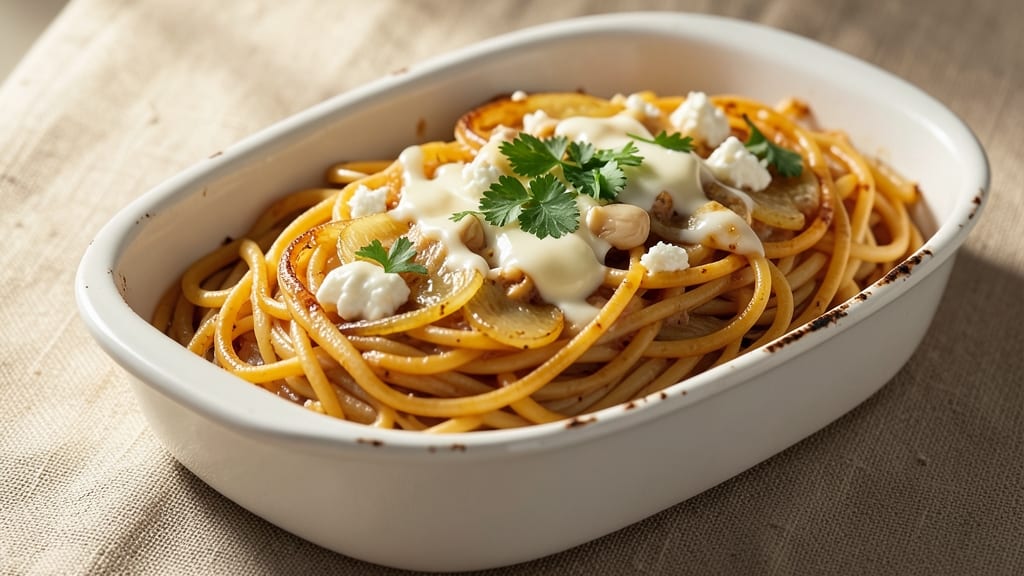
This baked spaghetti recipe with cream cheese and cottage cheese delivers the ultimate cheesy casserole that holds together like a dream. The secret lies in the perfect balance of creamy textures and rich flavors—no soggy pasta here.
I've perfected this technique over years of testing, ensuring every bite is packed with that satisfying, melty goodness that makes it impossible to stop eating.
The magic happens when you combine cooked spaghetti with a velvety mixture of cream cheese, cottage cheese, and a touch of milk. This combination creates a creamy, baked texture that clings to each noodle, while the cheese blend adds a subtle tang that cuts through the richness.
The dish bakes until golden and bubbly, with edges that are just crisp enough to add contrast to the tender, cheesy center.
What makes this recipe truly special is its versatility—customize it with garlic, herbs, or your favorite vegetables while keeping the core technique foolproof. Whether you're feeding a crowd or prepping for meal prep, this baked spaghetti is a game-changer for anyone craving comfort food that’s easy yet impressive.
Ready to transform simple ingredients into something extraordinary?
Once you try this, you’ll never go back to store-bought pasta dishes again. The creamy, cheesy layers create a dish that’s hearty enough for a main course but simple enough for a weeknight dinner. Let’s get started on creating your new favorite casserole!
Ingredients for baked spaghetti recipe with cream cheese and cottage cheese
These cheesy staples transform simple pasta into an irresistible casserole everyone will beg for seconds.
| Ingredient | Amount | Notes |
|---|---|---|
| Spaghetti 🍝 | 12 oz | Cooked al dente, drained |
| Cream Cheese 🧀 | 8 oz | Full-fat for creaminess |
| Cottage Cheese 🧀 | 16 oz | Small curd preferred |
| Whole Milk 🥛 | ½ cup | Warmed slightly |
| Yellow Onion 🧅 | 1 whole | Diced, about 0.5 cup |
| Garlic Cloves 🧄 | 3 cloves | Minced, fresh preferred |
| Olive Oil 🫒 | 2 tbsp | Extra-virgin for richness |
| Dried Oregano 🍃 | 1 tsp | Or 1 tbsp fresh chopped |
| Ground Black Pepper 🌶️ | ½ tsp | Freshly cracked |
| Salt 🧂 | 1 tsp | Kosher or sea salt |
| Shredded Mozzarella Cheese 🧀 | 2 cups | Part-skim or whole milk |
| Grated Parmesan Cheese 🧀 | ½ cup | Freshly grated |
The cheese blend is where magic happens—cream cheese adds velvety richness while cottage cheese gives that subtle tang that keeps the dish from getting too heavy. Grab full-fat cream cheese (the good stuff, not the low-fat kind) and small-curd cottage cheese from the refrigerated section at Whole Foods or your local grocery store. For the mozzarella, pre-shredded works in a pinch, but block cheese melts better—just shred it yourself. The Parmesan? Freshly grated makes all the difference—pre-grated tastes like sawdust. Pro tip: Buy a wedge and grate it yourself.
No cottage cheese? Ricotta or mascarpone work in a bind, though the texture will be slightly different. Running low on mozzarella? Fontina or Gruyère add a delicious twist. The garlic can be dried if fresh isn't available, but fresh is worth it—it makes the whole dish sing. For the onion, yellow or white both work, but red onion adds a nice pop of color. Want to boost flavor? Add a dash of lemon zest to the cheese mix—trust me, it elevates everything. And if you're prepping ahead, cook the pasta the day before—it reheats perfectly and saves time.
This casserole reheats beautifully—honestly tastes better the next day once everything melds together. Store leftovers in an airtight container for up to 4 days in the fridge. For meal prep, portion into individual containers before baking—just pop them in the oven when you're ready to eat. Freezes for 3 months if you want to make a big batch. The cheese sauce hardens when cold, so let it sit at room temperature for 10 minutes before reheating for the best texture. And if you're feeling fancy, brown the cheese mixture in a skillet for 2-3 minutes before mixing with pasta—extra flavor, minimal effort.
Why You'll Love This Recipe
- One-Pan Magic: I swear by this recipe when I’m too tired to scrub pots—just toss cooked spaghetti with softened cream cheese, cottage cheese, and a splash of milk, then bake. The onion caramelizes right in the dish, so you don’t even need a separate pan.
- Creamy Dream Combo: That tangy cottage cheese and rich cream cheese blend? It’s like a baked mac and cheese’s cooler, more interesting cousin. The milk keeps it velvety without being heavy, and the onion adds just enough bite to cut through the richness.
- Lunchbox Hero: Between us, this is my go-to for meal prep—portion it into containers, and it reheats like a dream. Honestly, my kids grab it over store-bought pasta salads every time, and it’s still warm and gooey the next day.
- Pantry Staple Hack: You’re using ingredients you already have—no fancy cheeses or specialty items. The spaghetti soaks up the creamy sauce perfectly, and the onion adds depth without extra cost. It’s the kind of recipe that turns $5 worth of groceries into something that feels like a restaurant dish.
Step-by-step instructions for baked spaghetti with cream cheese and cottage cheese
This cheesy casserole comes together with surprisingly simple steps—just follow along.
Cook the Spaghetti Perfectly Al Dente
Bring a large pot of water to a rolling boil and add the 12 oz spaghetti. Cook until 1 minute before the package directions specify for al dente texture—this ensures it finishes cooking in the oven. Stir occasionally to prevent sticking.
Drain the spaghetti in a colander, then rinse briefly under cold water to stop the cooking process. Shake off any excess water and transfer to a large mixing bowl. The pasta should be hot but not steaming—this helps the cheeses blend smoothly later.
Sauté Onions and Garlic for Flavor
While the pasta cooks, heat 2 tbsp olive oil in a large skillet over medium heat. Add the diced yellow onion and cook for 5 minutes until softened and translucent. Add the minced garlic cloves and cook for another 30 seconds until fragrant.
Season immediately with 1 tsp salt and 0.5 tsp ground black pepper. The onions should be tender but not browned—this prevents bitterness in the final dish. Remove from heat and let cool slightly before mixing with the pasta.
Mix the Cheese Sauce Base
In the same bowl with the hot spaghetti, add the 8 oz cream cheese and 16 oz cottage cheese. Mix with a wooden spoon until fully combined—this step is crucial for that ultra-creamy texture. The heat from the pasta will soften the cream cheese quickly.
Stir in the 0.5 cup warmed whole milk, 1 tsp dried oregano, and the sautéed onion-garlic mixture. The sauce should thicken slightly as it cools, but it will loosen up when baked. Taste and adjust seasoning if needed—this is your chance to balance flavors before baking.
Layer and Assemble the Casserole
Transfer the spaghetti mixture to a 9x13-inch baking dish, spreading it evenly. Sprinkle the 2 cups shredded mozzarella cheese and 0.5 cup grated parmesan cheese evenly over the top. The cheese will melt into a golden, bubbly blanket during baking.
Cover the dish tightly with aluminum foil and bake at 350°F for 25 minutes. This initial baking helps the cheese melt smoothly and prevents a crust from forming too quickly. After 25 minutes, remove the foil and bake for another 10 minutes until the top is golden brown.
Rest and Serve Warm
Let the casserole rest for 10 minutes before serving—this allows the cheese to set slightly and makes it easier to slice. The dish should be creamy in the center with a crispy, golden top. If it looks too thick, cover loosely with foil and bake for another 5 minutes to melt any unmelted cheese.
Slice into squares and serve immediately. The combination of cream cheese and cottage cheese creates a rich, velvety sauce that clings perfectly to the spaghetti. Leftovers keep well in the fridge for 3 days—just reheat covered at 350°F until warmed through.
Pro Tips For Making Baked Spaghetti Recipe With Cream Cheese And Cottage Cheese
- USE AL DENTE PASTA: The spaghetti in this dish isn’t pasta salad—it needs to hold its shape after baking. Cook it just shy of perfect (1 minute less than package instructions) and drain it well. Overcooked noodles turn to mush in the oven, and nobody wants a soggy casserole.
- SWEAT THE ONION FIRST: Skip the raw onion chunks in this one. Sauté the diced yellow onion in a little olive oil until it’s soft and translucent—about 5 minutes. This removes the sharp bite and lets the flavors meld better with the cream cheese and cottage cheese. (Yes, even if you’re impatient like me.)
- DON’T SKIP THE MILK SOAK: Mix the cottage cheese with whole milk first, then fold in the cream cheese. The milk softens the cottage cheese’s texture and prevents graininess in the final bake. Let it sit for 5 minutes before adding to the pasta—this makes a real difference.
- BAKE COVERED THEN UNCOVERED: Start the dish at 375°F (190°C) with foil draped over the top for the first 20 minutes. This traps steam and helps the cheese blend smoothly. Then remove the foil and crank the heat to 400°F (200°C) for the last 10 minutes to get a golden, bubbly crust. (Your future self will thank you.)
Common mistakes when making perfect results
Overcooking the Pasta
Cooking spaghetti to perfection is critical—overcooking turns it mushy and waterlogged, making your casserole soggy. Stop cooking 1 minute before the package suggests for al dente, then finish in the oven.
I’ve ruined this dish more times than I’ll admit by overcooking the pasta, so test a piece before draining. 🍝
Skipping the Sauté
Skipping the onion and garlic sauté means missing out on deep, savory flavor. The onions should soften but not brown—this prevents bitterness. I’ve made this mistake and regretted it every time.
Sauté for 5 minutes on medium heat, then season immediately with salt and pepper. This step is non-negotiable for flavor.
Cheese Temperature Issues
Adding cold cream cheese directly to hot pasta creates lumps that never fully melt. Let the cream cheese sit at room temperature for 10-15 minutes before mixing. Cottage cheese can also be chilled, but don’t let it get too cold—it should be soft enough to blend smoothly.
I learned this the hard way when my first batch had gritty cheese clumps. 🧀
Underestimating Rest Time
Skipping the 10-minute rest after baking makes slicing nearly impossible and ruins the creamy texture. The cheese needs time to set slightly, so the casserole holds together. I’ve cut into it too soon and ended up with a messy, runny disaster. Patience here makes all the difference.
Uneven Baking
Baking uncovered too early causes a thick, rubbery crust on top while the center stays cold. Always cover with foil for the first 25 minutes to trap steam and melt the cheese evenly.
After removing the foil, watch closely for the last 10 minutes—the top should be golden, not burnt. A meat thermometer helps; aim for 165°F at the center.
Cheese Overload
While cheese is the star, too much can make the casserole greasy and heavy. Stick to the 2 cups mozzarella and 0.5 cup Parmesan ratio—this balances creaminess with structure.
I’ve made this mistake and ended up with a dish that was more like cheese soup. Trust the recipe, even if it feels like you’re holding back! 🧀
Nutrition facts
Frequently asked questions
Can I use low-fat cream cheese or cottage cheese?
For the best creamy texture, stick with full-fat versions. Low-fat cheeses can make the dish dry and crumbly. The fat content helps create that luscious, velvety sauce we all love. If you must use low-fat, add an extra 2 tablespoons of milk to compensate for the reduced richness.
How do I make this dish ahead of time?
This casserole actually tastes better the next day! Assemble it completely, cover tightly, and refrigerate for up to 24 hours before baking. For meal prep, bake it in individual portions—just cover and reheat at 350°F for 15-20 minutes. Freeze for up to 3 months by wrapping tightly in foil and plastic wrap. Thaw overnight in the fridge before reheating.
What can I add for extra flavor?
Try sautéing 1 diced bell pepper or 1 zucchini with the onions for a veggie boost. For meat lovers, brown 1 pound ground beef or Italian sausage first. Add ½ cup marinara sauce for a tomato twist, or stir in 1 teaspoon Italian seasoning with the oregano. Don't forget fresh herbs like basil or parsley on top before serving!
Why did my casserole get watery? This usually happens from overcooked pasta or too much liquid.
Can I make this in a different-sized baking dish?
Yes! For a 9x13-inch dish, use the full recipe. For an 8x8-inch dish, reduce ingredients by about 30%, and for a 9x9-inch dish, reduce by 20%. Always bake in the same temperature (350°F) but check for doneness 5-10 minutes earlier than the original time. The depth matters more than the surface area for even baking.