
Sauces & Condiments
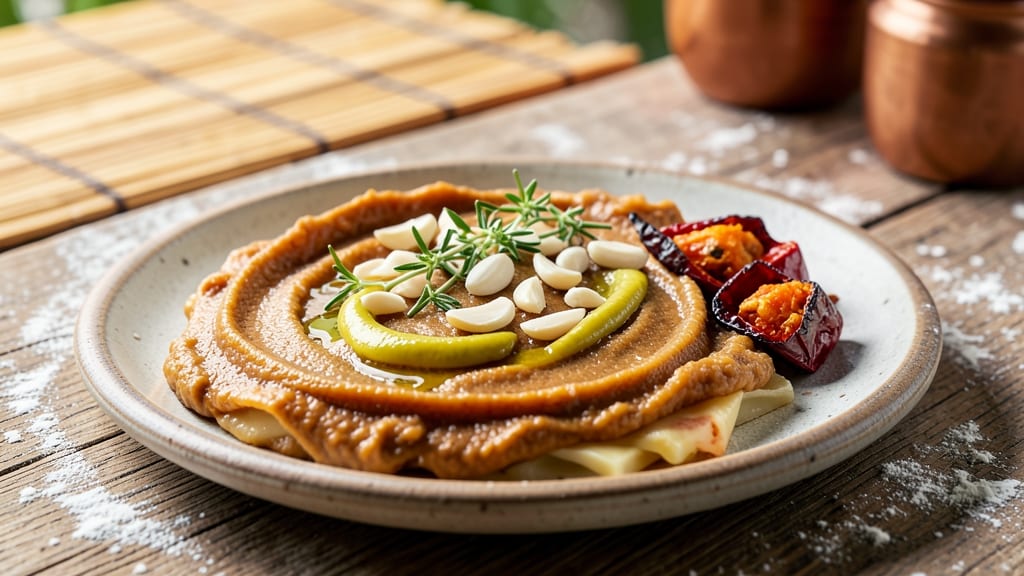
This Barbados cheese paste recipe transforms bold flavors into a versatile spread that bridges Caribbean heat with creamy cheddar richness. The fusion of aged cheddar, fiery Scotch bonnet peppers, and aromatic spices creates a condiment that elevates sandwiches, dips, and even grilled meats with every application.
I developed this recipe after craving that perfect balance of tangy sharpness and lingering spice—something that could stand up to hearty dishes while adding complexity.
The magic lies in the blend of ingredients: sharp cheddar cheese provides the base, while Scotch bonnet peppers deliver authentic Caribbean heat without overpowering. Garlic, mustard, and fresh thyme add depth, creating a paste that's smooth yet textured, with just the right amount of bite.
The process is straightforward—simply blend, simmer, and adjust seasoning—but the result is a condiment that feels gourmet and restaurant-worthy.
What makes this cheese paste truly special is its versatility. Spread it thick on toasted bread for a spicy breakfast, use it as a dip for fresh vegetables or chips, or brush it onto grilled chicken for an instant flavor boost.
The heat from the Scotch bonnet peppers mellows slightly as it cools, leaving behind a warm, tangy finish that lingers on the palate. Each batch delivers a perfect harmony of flavors that's impossible to resist.
Ready in just 30 minutes, this recipe requires minimal effort but delivers maximum impact. The ingredients are simple, and the process is foolproof, making it ideal for both beginners and seasoned cooks.
Once you try this Barbados cheese paste, you'll never reach for store-bought again—it's that good. Let's get started on creating your own batch!
Ingredients for barbados cheese paste
Nine ingredients blend Caribbean heat with creamy cheddar for a versatile condiment that transforms everyday dishes.
| Ingredient | Amount | Notes |
|---|---|---|
| Sharp Cheddar Cheese 🧀 | 1 ½ cups | Aged 12+ months for tanginess |
| Scotch Bonnet Peppers 🌶️ | 2 whole | Seeds removed for less heat |
| Garlic Cloves 🧄 | 4 cloves | Freshly minced for aromatic depth |
| Yellow Mustard 🍯 | 2 tbsp | For tangy brightness |
| Fresh Thyme Leaves 🌿 | ¼ cup | Finely chopped for herbal notes |
| Extra-Virgin Olive Oil 🫒 | ¼ cup | For smooth texture |
| Apple Cider Vinegar 🍎 | 1 tbsp | For acidity balance |
| Salt 🧂 | 1 ½ tsp | Diamond Crystal preferred |
| Black Peppercorns 🌶️ | ½ tsp | Freshly cracked for heat |
| Brown Sugar 🍚 | 1 tsp | For subtle sweetness |
The Scotch bonnet peppers are the heart of this recipe—fresh from a Caribbean market if possible, but quality grocery store peppers work too. Look for vibrant red peppers with firm skin; the fresher, the better. Aged cheddar (12+ months) provides the sharp, tangy base—White Cheddar from specialty stores has the perfect balance, but any sharp cheddar will work. Fresh thyme matters here: buy sprigs and strip the leaves yourself for maximum flavor. Store-bought thyme bundles often have dried stems that don't contribute. For the olive oil, any extra-virgin brand works, but look for one with a fruity aroma—California Olive Ranch or Colavita are reliable choices.
No Scotch bonnet? Habanero peppers are the closest substitute, but reduce the amount to half since they're hotter. Fresh thyme unavailable? Dried thyme at one-third the amount works, but the flavor will be more muted. For the mustard, Dijon mustard adds more complexity if you have it. The brown sugar can be swapped for maple syrup if you prefer a deeper sweetness. If you're sensitive to heat, remove all seeds and membranes from the Scotch bonnet before blending. For a smoother texture, blend the cheese first before adding other ingredients—this prevents graininess in the final paste.
This paste keeps beautifully in the fridge for up to 2 weeks, with flavors deepening over time. Portion into small jars for easy use—perfect for dipping, spreading, or brushing. For longer storage, freeze in ice cube trays for single-serving portions that thaw in minutes. The heat from the Scotch bonnet mellows slightly as it cools, so adjust spice levels before serving if needed. Make a double batch—this paste disappears fast, especially when guests discover how versatile it is.
Why You'll Love This Recipe
- Five-Ingredient Magic: I swear, this paste is the kind of recipe where you measure once, pulse once, and boom—flavor explosion. No peeling garlic cloves, no mincing bonnets (unless you’re feeling fancy), just toss everything into the food processor and let it do the work.
- Heat Without the Hassle: That Scotch bonnet packs a punch, but here’s the secret: the sharp cheddar mellows it out into something rich, not just fiery. A little goes a long way—dip some chips, spread on toast, or stir into pasta—and suddenly, every bite feels like a vacation.
- Party in a Jar: Between us, this stuff is my go-to for game day, potlucks, or when I’m too tired to cook but still want to impress. Slather it on crackers, mix it into deviled eggs, or even dollop it on grilled chicken—it’s the kind of condiment that makes you look like a culinary genius without trying.
- Leftovers That Won’t Let You Down: I make a big batch and keep it in the fridge for weeks. Yes, the bonnet heat mellows slightly over time, but the cheddar stays sharp, the thyme stays fresh, and honestly? The longer it sits, the more complex the flavors get. Budget win, flavor win.
Step-by-step instructions for Barbados cheese paste
This fusion of bold flavors comes together with precise technique and patience.
Prepare the Scotch Bonnet Peppers and Garlic
Begin by carefully removing the seeds and membranes from the 2 whole Scotch Bonnet peppers using a small knife or spoon. This reduces the heat intensity while preserving the fruity, slightly smoky character that defines Caribbean cuisine. Cut the peppers into small pieces—about ½-inch cubes—and set them aside.
Next, finely mince the 4 cloves garlic cloves using a sharp knife or garlic press. The goal is to create a paste-like consistency that will blend seamlessly into the cheese mixture. I like to press the garlic through a fine-mesh strainer to remove any larger pieces, ensuring a smooth texture in the final paste.
Toast the Spices and Aromatics
Heat a dry skillet over medium-low heat and add the minced garlic. Toast for 1-2 minutes until the garlic becomes fragrant and just begins to turn golden—this step deepens the flavor without burning. Immediately transfer the garlic to a bowl and set aside to cool slightly.
In the same skillet, add the chopped Scotch Bonnet peppers and cook for 3-4 minutes until they soften and release their oils. Remove from heat and let cool completely before adding to the cheese mixture. This step ensures the peppers contribute their flavor without adding excess moisture that could make the paste too runny.
Combine Wet Ingredients
In a food processor fitted with the metal blade, add the 0.25 cup extra-virgin olive oil, 1 tbsp apple cider vinegar, 2 tbsp yellow mustard, 1.5 tsp salt, 0.5 tsp black peppercorns, and 1 tsp brown sugar. Process for 30 seconds until the mixture is smooth and well combined. This base creates the perfect balance of tanginess, richness, and subtle sweetness that defines the paste.
Add the cooled Scotch Bonnet peppers and garlic to the processor. Pulse 3-4 times to chop the peppers finely while keeping the garlic intact. This step ensures the peppers distribute evenly without over-processing, which could turn the mixture into a sauce.
Process the Cheese Paste
Add the 1.5 cups sharp cheddar cheese and 0.25 cup fresh thyme leaves to the processor. Pulse in 1-second bursts until the cheese is fully incorporated but still slightly chunky—this texture is key for a spreadable yet flavorful paste. Avoid over-processing, or the mixture will become greasy.
Scrape down the sides of the bowl with a spatula to ensure all ingredients are evenly distributed. Taste the mixture and adjust seasoning if needed—add a pinch more salt if the cheese wasn’t aged enough, or a splash of vinegar if the mustard’s tang isn’t balanced by the heat.
Rest and Store for Best Texture
Transfer the cheese paste to an airtight container and let it rest at room temperature for 15 minutes. This allows the flavors to meld and the texture to firm up slightly, making it easier to spread. For best results, refrigerate for up to 1 week or freeze for up to 3 months. The paste will thicken further in the fridge, so let it sit at room temperature for 5 minutes before serving to achieve the perfect spreadable consistency.
The final product should have a vibrant orange hue from the Scotch Bonnet peppers, a sharp cheddar tang, and a subtle sweetness from the brown sugar. Use it as a bold condiment for sandwiches, a flavorful dip for vegetables, or a spicy spread for grilled meats.
Pro Tips For Making Barbados Cheese Paste
- Grate Cheese Coarse: Skip the fine powder—use a box grater for sharp cheddar. The bigger chunks melt slower, keeping texture instead of turning into glue. I learned this the hard way when my first batch turned into a sad, sticky blob.
- Toast Garlic Slow: Cook minced garlic in butter on low heat until golden, not brown. High heat burns it fast, and you’ll taste bitterness cutting through the cheese’s sharpness. Sounds weird, but it works—trust the process.
- Seed Scotch Bonnets Carefully: Wear gloves and remove all seeds and membranes from the peppers—no exceptions. One missed seed means your paste will be fiery instead of just spicy. I once ate a spoonful straight off the spoon and regretted it.
- Blend in Stages: Pulse the ingredients in short bursts, scraping the bowl between each. This keeps the mustard and thyme evenly distributed instead of clumping into a thick, flavorless lump. Yes, it’s extra steps, but the result is worth it.
Dietary considerations for these flavors
Vegetarian-Friendly
This Barbados cheese paste is naturally vegetarian and relies entirely on plant-based ingredients like cheese, peppers, and herbs. The sharp cheddar provides all the protein and richness, while the Scotch bonnet and thyme add vibrant, earthy flavors.
For a vegan adaptation, swap the cheddar for nutritional yeast (¼ cup) mixed with cashew cream (½ cup blended cashews + ¼ cup water) and reduce the olive oil to 2 tbsp. The texture will be creamier, but the spicy, tangy profile remains intact. 🌱
Gluten-Free
The recipe is inherently gluten-free since it contains no wheat-based ingredients. However, always check the labels on your yellow mustard and brown sugar to confirm they’re certified gluten-free. I recommend Mustard Brand or French’s for gluten-free mustard, and Wholesome!
Sweetener for a reliable gluten-free brown sugar substitute. The mustard adds tangy brightness that balances the cheese and heat perfectly without any gluten concerns. ✨
Dairy-Free Adaptation
For a dairy-free version, replace the sharp cheddar with 1.5 cups of firm tofu (pressed and crumbled) or ½ cup cashew cream (blended soaked cashews). Add 1 tbsp lemon juice to mimic the cheese’s tanginess.
The Scotch bonnet and garlic will still deliver the bold Caribbean heat, while the olive oil and mustard maintain the creamy texture. Store in an airtight container for up to 5 days in the fridge, as dairy-free versions tend to separate slightly over time. 🧀→🌿
Spice Sensitivity
If Scotch bonnet peppers are too intense, reduce the quantity to 1 pepper or swap for 1 habanero (seeds removed). For a milder heat, remove all seeds and membranes before blending.
Alternatively, blend the peppers first with the olive oil and strain through a fine-mesh sieve to remove excess capsaicin—the compound responsible for heat. This technique preserves flavor while reducing spiciness by up to 50%. 🌶️→🔥
Allergen-Free
This recipe is nut-free, soy-free, and egg-free by default, making it safe for most common allergies. Double-check your olive oil for potential nut cross-contamination if severe allergies are a concern. For sesame-free versions, avoid olive oils infused with sesame seeds.
The mustard and thyme are typically safe, but always verify labels. The paste’s bold flavors ensure it stands out even without additional allergens. 🚫🥜
Nutrition facts
Frequently asked questions
Can I use regular cheddar instead of aged sharp cheddar?
The recipe calls for aged sharp cheddar (12+ months) to ensure that tangy, bold flavor profile. Regular cheddar will work, but you may need to add an extra ½ teaspoon salt and ½ teaspoon apple cider vinegar to compensate for the milder taste. The texture will still be creamy, but the depth of flavor won't be as rich.
How can I make this cheese paste less spicy?
If the Scotch bonnet heat is too intense, reduce the quantity to just 1 pepper (seeds removed) or swap it for 1 habanero. For even milder heat, blend the peppers first with the olive oil, then strain through a fine-mesh sieve to remove excess capsaicin—the compound that causes spiciness. This technique preserves flavor while cutting heat by up to 50%. →
What are the best ways to use this cheese paste?
This versatile paste works as a bold sandwich spread, a zesty dip for veggies or chips, or a flavorful glaze for grilled meats like chicken or fish. Try it on toasted baguette slices with smoked salmon, or brush it onto grilled pork chops for a Caribbean-inspired twist. The heat mellows slightly when chilled, so adjust spice levels before serving.
How long will this cheese paste last in the fridge?
Properly stored in an airtight container, this cheese paste stays fresh for up to 2 weeks in the refrigerator. The flavors actually deepen over time! For longer storage, freeze in ice cube trays for single-serving portions that thaw in minutes. Let it sit at room temperature for 5 minutes before using to achieve the perfect spreadable consistency.
What if my cheese paste turns out too greasy?
If the texture becomes too oily, it likely means the cheese wasn't fully incorporated. Pulse the mixture again in 1-second bursts to blend thoroughly. For a firmer consistency, chill the paste for 30 minutes before serving. If it's still too runny, add 1 teaspoon cornstarch mixed with 1 teaspoon water and blend again until smooth.