
Desserts
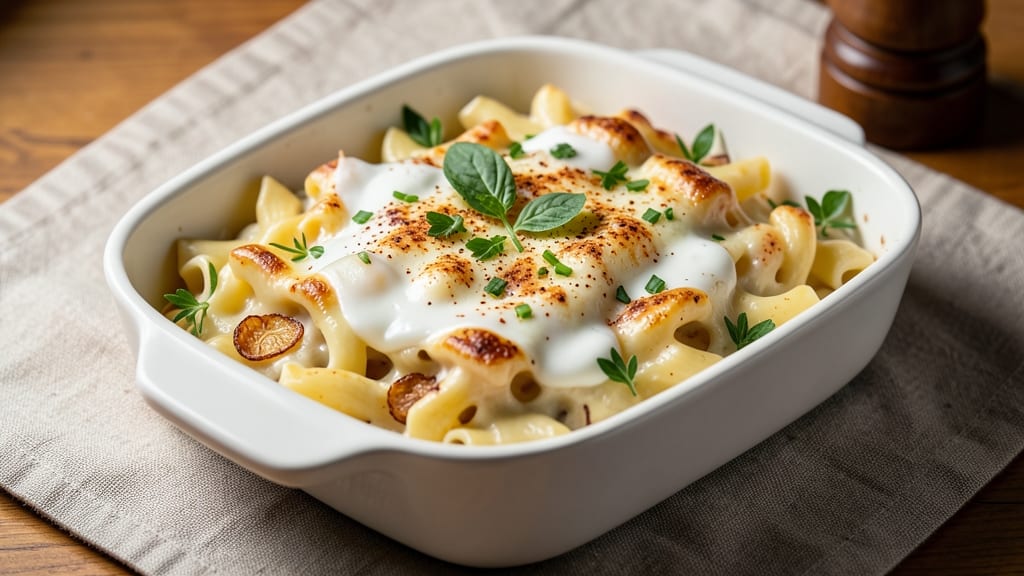
This baked mac and cheese recipe using sour cream delivers the ultra-smooth, stretchy pulls you crave without a single grainy bite. The secret lies in blending sour cream into the cheese sauce, creating a velvety texture that melts in your mouth.
I've perfected this technique over years of testing—no lumps, no separation, just restaurant-quality comfort every time.
The sour cream plays a crucial role here, adding tangy depth and preventing that dreaded "break" in the sauce. We'll combine sharp cheddar with Gruyère for nutty richness, then fold in the sour cream while the sauce simmers.
This ensures a silky, cohesive mixture that bakes up with that perfect golden crust while staying creamy inside.
What you'll end up with is a bubbling, golden mac and cheese that pulls into long, glossy strands when you lift it from the oven. The edges will be crispy and slightly caramelized, while the interior remains luxuriously creamy—no dry, rubbery texture here.
This is the kind of dish that disappears faster than you can say "extra cheese."
Serve it immediately with a sprinkle of paprika or breadcrumbs for texture contrast, or save leftovers for tomorrow when they'll taste even better. The sour cream keeps the sauce rich and velvety even after reheating, making this the ultimate foolproof mac and cheese for any occasion.
Ingredients for baked mac and cheese recipe using sour cream
Six ingredients make all the difference for ultra-smooth, stretchy mac and cheese.
| Ingredient | Amount | Notes |
|---|---|---|
| Elbow Macaroni 🍝 | 1 ½ lbs | Medium or fine elbow shape |
| Sharp White Cheddar Cheese 🧀 | 1 ½ cups | Shredded, block preferred |
| Gruyère Cheese 🧀 | 1 cup | Shredded, nutty variety |
| Sour Cream 🥛 | ¾ cup | Full-fat for creaminess |
| Heavy Cream 🥛 | ½ cup | Whole milk fat preferred |
| Unsalted Butter 🧈 | 4 tbsp | Cold, cubed for sauce |
| All-Purpose Flour 🌾 | 2 tbsp | For roux thickening |
| Milk 🥛 | 1 ½ cups | Whole milk for richness |
| Yellow Onion 🧅 | 1 whole | Diced, medium size |
| Garlic Cloves 🧄 | 4 cloves | Minced, fresh preferred |
| Dijon Mustard 🍯 | 1 tbsp | For tangy depth |
| Salt 🧂 | 1 ½ tsp | Kosher or sea salt |
| Ground Black Pepper 🌶️ | ½ tsp | Freshly ground preferred |
| Smoked Paprika 🌶️ | ½ tsp | For garnish, optional |
| Panko Breadcrumbs 🍞 | ¼ cup | For crispy topping |
The cheeses are non-negotiable here. Sharp white cheddar gives that classic tang, while Gruyère adds nutty depth—don't swap for pre-shredded, it gets clumpy. I grab both at Whole Foods or Trader Joe's since they carry good quality blocks. For the sour cream, full-fat is worth it—it keeps the sauce velvety even after baking. The Gruyère can be pricey, but you only need a cup, so buy a wedge and save the rest for grilled cheese. Pro tip: if your cheddar smells like plastic, toss it—it's lost its flavor.
No sharp cheddar? Extra sharp works in a pinch, but the flavor won't be as bright. Gruyère too expensive? Parmesan at half the amount adds saltiness, though it won't be as creamy. Sour cream substitute? Greek yogurt at the same quantity—just stir it in at the end to avoid curdling. The butter should be cold when you add it to the roux, or you'll end up with a greasy mess. For the macaroni, medium elbow is ideal—it holds the cheese sauce perfectly without getting mushy. If you've got leftover pasta water, save a cup for adjusting the sauce consistency later.
This reheats beautifully—honestly tastes better the next day once everything melds. Store leftovers covered in the fridge for 4-5 days. For freezing, portion into single servings and freeze for up to 3 months. The breadcrumbs on top crisp up beautifully when reheated—just pop them under the broiler for 2 minutes. I always double the recipe because it disappears faster than you can say "extra cheese." The sauce thickens as it cools, so if it seems too thick when you first bake it, just stir in a splash of milk before serving.
Why You'll Love This Recipe
- No-Fuss Assembly: I swear, this takes less effort than ordering takeout. Toss the cooked pasta with the cheese and sour cream—no fancy layers, no stress—then bake until golden. That’s it. The Gruyère melts into a velvety blanket, and the sharp cheddar adds just enough bite to keep it interesting.
- Rich, Tangy Magic: The sour cream does all the work here—creamy, tangy, and just thick enough to hold its shape. When it bakes, it turns into this luxurious, almost custardy sauce that clings to every noodle. Honestly, the first time I tried it, I nearly licked the pan clean.
- Lunchbox Hero: Between us, this is my go-to for meal prep. The leftovers reheat beautifully—crispy top, creamy middle—so I can pack it for work or school lunches without a second thought. My kids actually eat it cold, too. (Yes, even on a Tuesday.)
- Budget-Friendly Luxury: Sharp cheddar and Gruyère might sound fancy, but a little goes a long way. The sour cream stretches the richness, and elbow mac is cheaper than specialty pasta. I make a double batch, freeze half, and still feel like I’m dining out. Not bad for $10 worth of ingredients.
Step-by-step instructions for ultra-smooth baked mac and cheese
Here's how to create that legendary stretchy, creamy mac and cheese with no grainy texture.
Cook the Pasta Al Dente and Reserve Water
Bring a large pot of water to a rolling boil and add 1.5 teaspoons salt (it should taste like the sea). Add the 1.5 lbs elbow macaroni and cook for 1 minute less than the package instructions—you want it al dente. The pasta should have a slight bite to it when you test a piece. Before draining, reserve 1 cup of the starchy pasta water in a measuring cup. This water is liquid gold for our ultra-smooth sauce.
Drain the pasta and return it to the pot, giving it a quick toss with a silicone spatula. Don't rinse it—those surface starches are what help create that velvety sauce. I like to keep the pot off the heat for now, just resting with the pasta while I make the cheese sauce. This keeps everything warm and ready to combine.
Build the Ultra-Smooth Cheese Sauce
In a separate large skillet, melt 4 tablespoons unsalted butter over medium heat. Add the diced yellow onion and cook for 5-6 minutes until softened and translucent. Add the minced garlic cloves and cook for another 30 seconds until fragrant—don't let it brown or it'll turn bitter.
Reduce heat to medium-low and sprinkle in the 2 tablespoons all-purpose flour. Stir constantly for 1-2 minutes until you have a smooth roux that smells nutty. This is the secret to our silky texture—it thickens the sauce beautifully. Slowly whisk in the 1.5 cups milk and 0.5 cup heavy cream, letting each splash incorporate completely before adding more. The mixture should begin to thicken into a velvety base.
Combine Cheese and Create the Perfect Texture
Remove the skillet from heat and add the 1.5 cups sharp white cheddar cheese and 1 cup gruyère cheese all at once. Stir vigorously with a wooden spoon until completely melted and smooth. If the cheese clumps, add a splash of the reserved pasta water to help it blend. Return to low heat and stir in the 0.75 cup sour cream and 1 tablespoon Dijon mustard.
This is where the magic happens. The sour cream adds that signature tang while keeping the sauce lusciously smooth. Add the cooked pasta to the skillet and gently fold everything together until fully coated. Taste and adjust seasoning with salt and black pepper as needed. The sauce should be thick but still coat the back of a spoon—if it's too thick, add a little more reserved pasta water to loosen it.
Assemble and Bake to Golden Perfection
Transfer the mac and cheese mixture to a greased 9x13-inch baking dish. Spread it evenly with a spatula, creating a smooth surface. Sprinkle the top with 0.25 cup panko breadcrumbs and 0.5 teaspoon smoked paprika for color and texture. Bake at 375°F for 20-25 minutes until the top is golden brown and the edges are bubbling.
Here's the thing—don't overbake. You want that golden crust, but the center should still be slightly jiggly when you test it. The residual heat will continue cooking it as it rests. Let it sit for 5 minutes before serving—this resting time allows the flavors to meld and the texture to set perfectly. The result should be that perfect stretchy pull with no grainy texture, just creamy, cheesy goodness in every bite.
Pro Tips For Making Baked Mac And Cheese Recipe Using Sour Cream
- Preheat Like It’s 1985: Crank that oven to 375°F and let it scream for 15 minutes before baking. I used to skip this, and my mac would either stay sad and doughy or burn before the center got creamy—like a bad first date. That extra heat jump guarantees a golden crust while keeping the inside luscious.
- Grate Cheese Like a Boss: Use a box grater (not a food processor) for the cheddar and Gruyère—small, uneven shreds melt way better than dust. I learned this after my first attempt turned into a greasy, clumpy mess. Also, reserve ½ cup of the sharp cheddar for topping; it’ll give you that perfect crispy finish.
- Don’t Rush the Sour Cream: Warm the sour cream gently in a small saucepan over low heat (or microwave in 10-second bursts) until it’s body temperature—not hot, not cold. Cold sour cream curdles like a bad joke, and you’ll end up with a gloppy, sad sauce. Trust me, this is the thing that matters most.
- Broil for the Crust: Once your mac is bubbling at the edges, switch to broil for 2-3 minutes—watch it like a hawk. The top should turn golden and slightly blistered, not charred. I was skeptical until I tried it; now I’d never go back to a dull, pale crust. Just cover loosely with foil if it’s browning too fast.
Pro cooking tips for baked mac and cheese recipe using sour cream
Sour Cream Secrets
The sour cream in this recipe isn't just a filler—it's the game-changer that prevents that dreaded "cheese break" while adding tangy depth. I always use full-fat sour cream (like Breakstone's) because the fat content keeps the sauce velvety even after baking.
Add it at the very end, when the cheese sauce is already melted and smooth—this ensures it blends seamlessly without curdling. 🥛
Cheese Melting Mastery
When combining cheeses, I melt them all at once off the heat to prevent scorching. If clumps form, immediately add a splash of reserved pasta water—this is liquid magic for dissolving cheese smoothly.
For extra insurance, I like to whisk vigorously with a wooden spoon while the cheese melts, breaking up any potential lumps before they form. The Gruyère melts faster than cheddar, so keep stirring until everything is completely smooth.
Roux Perfection
The roux is where texture control begins. Cook the 2 tablespoons flour with butter until it's a rich, nutty color—this means it's developed enough to thicken properly without being brown. I use a heavy-bottomed skillet like All-Clad to prevent burning.
When whisking in the milk and cream, go slow—adding too quickly creates lumps. The goal is a sauce that coats the back of a spoon but still flows easily when you lift it.
Pasta Water Power
Never skip reserving that pasta water! It's packed with starch that acts as a natural thickener and emulsifier. If your sauce seems too thick after combining everything, add just a tablespoon at a time until it reaches that perfect creamy consistency.
I keep a small cup of reserved water on the counter while cooking—it's my secret weapon for fixing any texture issues that pop up. 💡
Baking Like a Pro
Bake at 375°F until the edges are bubbling and the top is golden—this takes about 20-25 minutes. The key is patience: don't overbake, or you'll end up with dry mac and cheese. I test doneness by inserting a knife in the center—it should come out slightly jiggly.
The residual heat will finish cooking it as it rests. For that perfect crust, I like to broil for 1-2 minutes at the very end if the top isn't golden enough.
Resting Matters
Let your mac and cheese rest for 5 minutes before serving—this crucial step lets the flavors meld and the texture set properly. I find it's even better the next day when the flavors have fully developed.
For serving, I like to sprinkle with extra smoked paprika and a pinch of cayenne for a little kick. The sour cream keeps everything creamy even after reheating, making this dish perfect for meal prep. 💫
Nutrition facts
Frequently asked questions
Why does sour cream make baked mac and cheese creamier?
The sour cream adds fat and acidity that prevents the cheese from separating and breaking. It also creates tiny air pockets that make the texture velvety smooth rather than dense. The tanginess balances the richness of the cheese, giving it that signature restaurant-style flavor.
Can I substitute Greek yogurt for sour cream in this recipe?
Yes, but with a few adjustments! Use the same amount of Greek yogurt, but stir it in at the very end when the sauce is already melted. Greek yogurt has more protein, so you might need to add an extra 1 tablespoon of milk to maintain smoothness. The texture will be slightly tangier but still creamy.
What's the best way to reheat leftovers without drying them out?
Cover the baked mac and cheese with a damp paper towel and reheat in the oven at 350°F for 10-15 minutes. The steam from the towel keeps it moist. For microwave reheating, sprinkle a few drops of milk on top and cover with a damp cloth for 1 minute on high power. Never microwave uncovered—it'll dry out instantly.
Can I make this ahead of time for a party?
Assemble the dish up to 24 hours ahead and refrigerate uncovered. The cheese will form a skin on top, which you can scrape off before baking. For a crowd, double the recipe and bake in two 9x13-inch pans. The sour cream keeps the texture rich even after refrigeration, making it perfect for meal prep.
Why did my mac and cheese turn out grainy?
Graininess usually happens from one of three things: not using enough fat (like butter or cream), stirring too aggressively while the cheese melts, or adding the sour cream too early. Always melt the cheese off the heat, use full-fat dairy, and stir gently. If clumps form, immediately add reserved pasta water to dissolve them. The sour cream should be added last for silky results.