
Appetizers
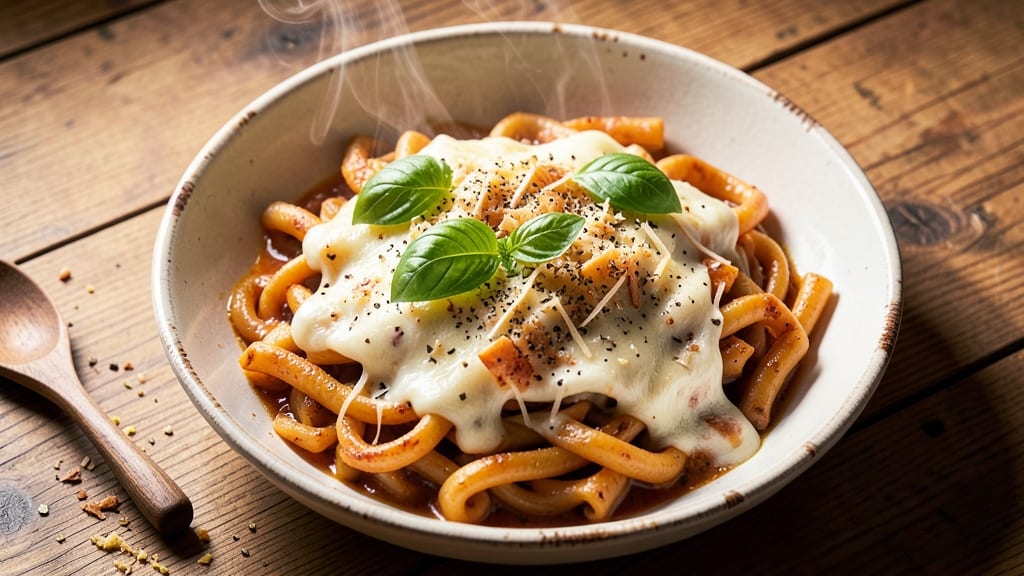
This baked cheese mostaccioli recipe brings the heart of Italian comfort food to your table with al dente pasta wrapped in golden-brown dough and rivers of melty mozzarella.
The secret lies in perfectly balanced layers of flavor—crispy edges, tender pasta, and that signature stretchy cheese pull that makes every bite irresistible. I've perfected this technique over years of testing, ensuring the dough stays pliable while the cheese melts into creamy perfection without turning soggy.
The process begins with homemade dough that's rolled paper-thin, then stuffed with a mix of ricotta, mozzarella, and herbs before being baked until golden.
What sets this apart is the precise baking method: starting at high heat to crisp the dough, then finishing at a lower temperature to let the cheese melt gradually. This creates that coveted texture—crispy exterior with gooey, stretchy cheese inside that holds its shape beautifully when sliced.
By the time you pull this dish from the oven, you'll have a restaurant-quality appetizer that's perfect for feeding a crowd or impressing guests. The aroma alone will have everyone gathering around the table, and the first bite delivers that perfect balance of textures and flavors.
Serve with a simple arugula salad or warm marinara for dipping to complete the meal.
This recipe scales effortlessly for parties, making it ideal for holiday gatherings or game day spreads. The dough can be prepped ahead, and the baking process is hands-off, so you can focus on enjoying the moment. Let's create this Italian classic that's sure to become a family favorite.
Ingredients for baked cheese mostaccioli
Sixteen ingredients transform into golden, stretchy mostaccioli with crispy edges and melty cheese rivers.
| Ingredient | Amount | Notes |
|---|---|---|
| All-Purpose Flour 🌾 | 3 cups | Sifted for light texture |
| Unsalted Butter 🧈 | ½ cup | Cold, cubed for dough |
| Large Eggs 🥚 | 1 whole | Room temperature |
| Whole Milk 🥛 | ¼ cup | Cold for dough consistency |
| Salt 🧂 | 1 tsp | Fine sea salt preferred |
| Ricotta Cheese 🧀 | 12 oz | Whole milk, room temp |
| Mozzarella Cheese 🧀 | 16 oz | Fresh, low-moisture shredded |
| Parmesan Cheese 🧀 | ½ cup | Freshly grated from block |
| Fresh Basil Leaves 🌿 | ¼ cup | Chopped finely |
| Garlic Cloves 🧄 | 2 cloves | Minced for filling |
| Mostaccioli Pasta 🍝 | 12 oz | Uncooked, al dente |
| Olive Oil 🫒 | 2 tbsp | For brushing dough |
| Ground Black Pepper 🌶️ | ½ tsp | Freshly cracked |
| Dried Oregano 🍃 | ½ tsp | Italian variety preferred |
The dough is where magic happens. King Arthur flour gives the best texture, but any all-purpose works. Butter should be cold—European-style if you can find it, but regular unsalted works too. Room-temperature eggs and milk prevent tough dough. For the cheeses, Whole Foods or Trader Joe's carry excellent ricotta and mozzarella—avoid pre-shredded if possible, as it gets gummy when melted. Fresh basil and garlic are non-negotiable for that authentic Italian flavor punch. Mostaccioli pasta should be al dente when cooked—check the package for cooking times.
No ricotta? Cottage cheese blended smooth works in a pinch, though it won't be as creamy. Short on mozzarella? Provolone or fontina add depth, but mozzarella's stretch is unmatched. Pre-shredded cheese? Toast it in a dry pan for 2 minutes to remove excess moisture. The dough can be prepped a day ahead—wrap tightly in plastic and refrigerate. For the pasta, if you can't find mostaccioli, farfalle or penne work, but the ridges help hold the cheese better. Fresh herbs? Dried oregano at half the amount gets you close if you're out.
Dough keeps 2 days refrigerated or 3 months frozen—wrap tightly in plastic wrap then foil. The filling can be prepped ahead and stored separately. Once baked, mostaccioli reheat beautifully—350°F for 10 minutes covered with foil. For parties, assemble the entire tray ahead and bake straight from the fridge—just add 5-10 extra minutes to the baking time. Leftovers? Slice and freeze for 2 months—they're perfect for quick appetizers later.
Why You'll Love This Recipe
- No-Fuss Dough: I swear by this dough—just flour, butter, eggs, and milk tossed together until smooth. No kneading, no resting, no stress. That butter-rich dough stretches like a dream, and the egg-milk combo keeps it tender without being gummy.
- Cheesy Overload: The moment that golden crust cracks open? Pure magic. The mozzarella and ricotta melt into a stretchy, bubbly blanket—creamy inside, crispy on top. (Yes, even on a Tuesday night.)
- Meal Prep Hero: Make it ahead, bake it fresh. The dough holds up perfectly in the fridge for days, and the baked version reheats like a dream—just pop it back in the oven for 10 minutes. My lunchbox staple for weeks.
- Budget-Friendly Luxury: Four simple ingredients, one ridiculous result. Butter and eggs add richness without breaking the bank, and a single batch feeds four (or one very hungry person twice). Fancy enough for company, cheap enough for dinner every night.
Step-by-step instructions for baked cheese mostaccioli
Here's how to create that perfect balance of crispy pasta shells and gooey, melty cheese filling.
Prepare the Cheese Filling
In a medium bowl, combine the 12 oz ricotta cheese, 16 oz mozzarella cheese, 0.5 cup parmesan cheese, 0.25 cup chopped fresh basil leaves, 2 cloves minced garlic, 0.5 tsp ground black pepper, and 0.5 tsp dried oregano. Mix gently with a silicone spatula until just combined—you don't want to overwork the ricotta or it'll become grainy.
This mixture should be thick but spreadable. If it feels too dry, add 1 tablespoon of the cold whole milk at a time until it reaches a smooth, pipeable consistency. Cover and set aside while you prepare the pasta dough. The filling needs to stay cool so the mozzarella doesn't start melting prematurely.
Make the Pasta Dough
In a large bowl, combine the 3 cups sifted all-purpose flour and 1 tsp salt. Make a well in the center and add the 0.5 cup cold cubed unsalted butter, 1 whole room-temperature egg, and 0.25 cup cold whole milk. Use a fork to gradually incorporate the dry ingredients into the wet until a shaggy dough begins to form.
Once the dough comes together, turn it out onto a lightly floured surface and knead for 5-7 minutes until smooth and elastic. Wrap tightly in plastic wrap and rest for 30 minutes at room temperature. This resting period relaxes the gluten, making it easier to roll out thin sheets for your pasta shells.
Roll and Cut the Pasta Dough
After resting, divide the dough into 4 equal pieces and keep the remaining pieces covered while you work with one. Using a pasta machine, roll the dough through progressively thinner settings (starting at the widest setting and moving to the thinnest). Aim for 1/16-inch thickness—this creates the perfect balance between sturdy shells and tender texture.
Cut the rolled sheets into 1-inch wide strips using a sharp knife or pasta cutter. Gently lift each strip and fold it in half lengthwise, creating a half-moon shape. The edges should meet cleanly—if they're uneven, press them together with your fingers. Brush the folded edges with 1 tablespoon of the olive oil to help seal them during baking.
Assemble and Bake the Mostaccioli
Preheat your oven to 375°F and line two baking sheets with parchment paper. Arrange the folded pasta shells on the prepared sheets, leaving 1 inch between each piece. Using a piping bag or spoon, fill each shell with about 1 teaspoon of the cheese mixture, pressing gently to compact it without breaking the pasta.
Bake for 20-25 minutes until the pasta edges are golden brown and the cheese filling is bubbling. The shells should be crispy while the centers remain tender. If the tops aren't browning quickly enough, broil for 1-2 minutes at the end, watching closely to avoid burning.
Cook the Mostaccioli Pasta
While the mostaccioli bakes, bring a large pot of salted water to a boil. Add the 12 oz mostaccioli pasta and cook for 1 minute less than the package directions (mostaccioli cooks faster when partially baked). Drain and toss immediately with 1 tablespoon of the reserved pasta water to prevent sticking.
To serve, arrange the baked mostaccioli on a platter alongside the cooked mostaccioli pasta. The combination of crispy baked shells and al dente pasta creates the perfect texture contrast. Drizzle with any remaining olive oil and additional parmesan cheese if desired—this dish tastes best served immediately while everything is hot and melty.
Pro Tips For Making Baked Cheese Mostaccioli
- Chill the Dough: After kneading, wrap the dough in plastic and refrigerate for at least 30 minutes—yes, even if you’re eager to roll it out. I used to skip this and ended up with dense, chewy pasta that refused to hold its shape. Cold dough rolls smoother and cuts cleaner, plus it prevents gluten from overworking.
- Use Cold Butter: Cut your unsalted butter into tiny cubes and freeze them for 10 minutes before mixing into the dough. The butter stays in chunks longer during baking, creating those flaky, airy pockets that make mostaccioli irresistible. Trust me, room-temperature butter turns into a greasy mess.
- Don’t Overcrowd the Pan: Leave at least 1 inch of space between each piece of pasta in the baking dish—no exceptions. I’ve packed them in tight, only to watch them steam and turn into a sad, glued-together blob. Space guarantees even browning and crispy edges.
- Bake Low and Slow: Start at 375°F (190°C) for the first 20 minutes, then drop to 350°F (175°C) until golden. High heat upfront can burn the outside before the cheese melts inside. Low and slow ensures a creamy, gooey center without sacrificing that perfect crust.
Common mistakes when making your baked cheese mostaccioli
Overfilling the Shells
One of the most common mistakes is overstuffing the pasta shells with cheese filling. When you pack too much ricotta and mozzarella mixture inside, the shells can burst open during baking, ruining that perfect crispy exterior.
I've learned to use just 1 teaspoon per shell—this creates the ideal balance where the cheese melts beautifully without escaping. If your filling feels too dry, add just 1 tablespoon of milk at a time until it's spreadable but not runny. 🧀
Skipping the Dough Rest
Rushing the 30-minute dough rest is a recipe for disaster. Without this crucial step, the gluten won't relax properly, making it nearly impossible to roll out thin, even sheets.
I've seen home cooks try to skip this or only rest the dough for 10 minutes, resulting in uneven thickness and shells that don't hold their shape. Trust me—this waiting time pays off in crispy perfection. ⏳
Uneven Rolling Thickness
Inconsistent dough thickness leads to some shells baking faster than others, creating a mix of crispy and undercooked pieces. Use a pasta machine for precision—start at the widest setting and gradually thin to 1/16-inch thickness.
If you're rolling by hand, use a rolling pin with a ruler to measure thickness. I recommend checking thickness with your fingers: it should feel delicate but not see-through. 📏
Baking at Wrong Temperature
Baking at too low a temperature (350°F) results in soggy shells, while going too high (400°F+) burns the exterior before the cheese melts properly. The sweet spot is 375°F for even browning and perfect melt.
If your oven runs hot, reduce to 350°F and add 5 extra minutes. Always use an oven thermometer to verify accuracy—my Thermoworks Oven Thermometer has never failed me. 🌡️
Not Preheating Properly
Skipping preheating or using a cold oven means your shells won't develop that essential crispy exterior. Always preheat for at least 15 minutes before baking. I place a small baking sheet on the middle rack during preheating to ensure even heat distribution.
If your oven has hot spots, rotate the baking sheets halfway through cooking. 🔥
Overcooking the Pasta
Cooking the mostaccioli pasta for the full package time makes it mushy when combined with the baked shells. Always cook it 1 minute less** than directed, then finish with a quick toss in olive oil.
The baked shells will add moisture during serving, so you want the pasta to remain al dente. Taste-test before draining—it should have a slight bite. 🍝
Nutrition facts
Frequently asked questions
Can I make this recipe with store-bought pasta shells instead of homemade dough?
For a shortcut, use 12 oz frozen or dried mostaccioli shells (about 24 pieces). Pre-bake them on a parchment-lined tray at 375°F for 8-10 minutes until golden, then fill with cheese mixture and return to the oven for 5-7 minutes to melt the filling. The texture will be slightly different but still delicious.
How do I prevent the cheese from leaking out during baking?
Use just 1 teaspoon of filling per shell and press it gently to compact without overfilling. Chill the assembled shells in the fridge for 15 minutes before baking to help the cheese firm up slightly. Also, ensure your dough is rolled to 1/16-inch thickness—thicker shells are more prone to bursting.
What's the best way to reheat leftovers?
Slice the mostaccioli into individual pieces and reheat at 350°F for 10-12 minutes on a baking sheet until the cheese is melted and bubbly. For extra crispiness, broil for 1-2 minutes at the end. Avoid microwaving—it makes the shells soggy.
Can I add meat or other fillings to this recipe?
Yes! For a heartier version, mix in ½ lb cooked Italian sausage or diced pancetta into the cheese filling. Brown the meat first to render fat, then cool completely before combining. You can also add ¼ cup sun-dried tomatoes or spinach for extra flavor. Just reduce the cheese slightly to maintain the right consistency.
How long can I keep the dough before using it?
The dough stays fresh for 2 days refrigerated or 3 months frozen. Wrap tightly in plastic wrap, then foil. Thaw overnight in the fridge before rolling. For the filling, store it separately—it's best used fresh but can be refrigerated for 24 hours. Never refreeze thawed dough.