
Side Dishes
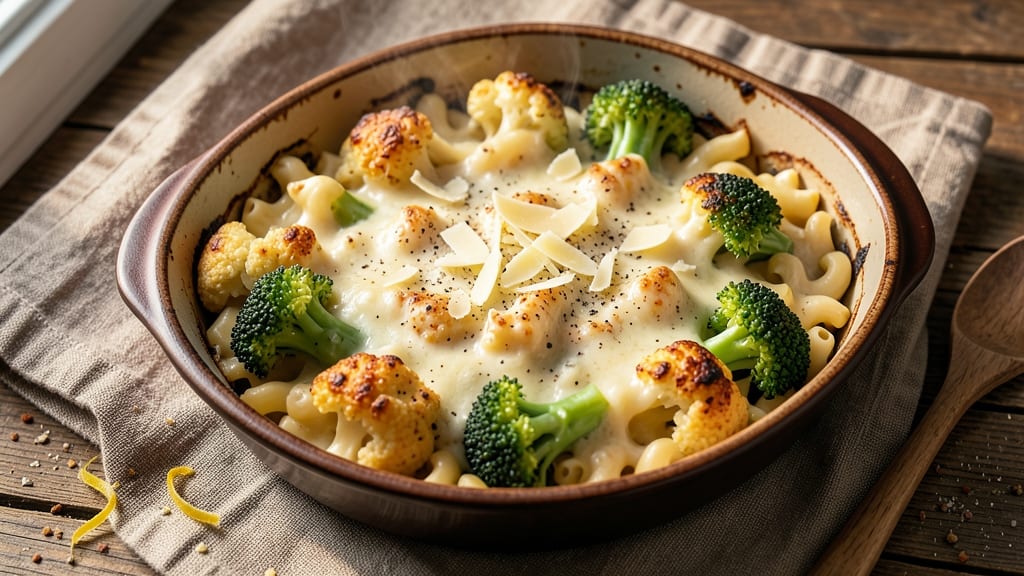
This baked cauliflower mac and cheese recipe redefines comfort food by blending creamy sharp cheddar with roasted cauliflower and blistered broccoli for a nutrient-packed side that still satisfies your cravings.
The key lies in perfectly roasting the cauliflower until tender-crisp before mixing it into a velvety cheese sauce, ensuring every bite delivers both texture and flavor. This isn't just a healthier twist—it's a restaurant-quality dish that holds its own as a main or side, with adaptable ingredients for dietary needs.
The process starts with roasting the cauliflower at high heat to develop its natural sweetness, followed by cooking al dente pasta that absorbs the rich cheese sauce without becoming mushy.
What sets this apart is the blistered broccoli—tossed in at the end for a crisp-tender contrast that elevates the dish beyond traditional mac and cheese.
The sauce itself is a foolproof blend of sharp cheddar, cream (or dairy-free alternative), and a touch of mustard for depth, all baked until bubbly and golden.
What you’ll end up with is a creamy, cheesy masterpiece where the cauliflower adds subtle earthiness and the broccoli brings a satisfying crunch. The dish is easy to customize—swap dairy for vegan cheese, add a sprinkle of breadcrumbs for extra crunch, or mix in cooked chicken for protein.
It’s the kind of recipe that transforms a simple weeknight dinner into something special, with minimal effort and maximum flavor.
Perfect for meal prep or serving at gatherings, this baked cauliflower mac and cheese delivers comfort food appeal with a nutritional boost. The roasted vegetables add color, texture, and nutrients, while the cheese sauce ensures it’s still indulgent.
Ready in under an hour, it’s a game-changer for anyone looking to upgrade their mac and cheese game without sacrificing taste.
Ingredients for baked cauliflower mac and cheese
Creamy sharp cheddar meets tender roasted cauliflower and blistered broccoli in this restaurant-quality vegetarian masterpiece.
| Ingredient | Amount | Notes |
|---|---|---|
| Medium Cauliflower Head 🥬 | 1 whole | Cut into florets, stems removed |
| Broccoli Crowns 🥦 | 1 ½ lb | Cut into florets, stems trimmed |
| Elbow Macaroni 🍝 | 1 ½ cups | Uncooked, al dente preferred |
| Sharp White Cheddar Cheese 🧀 | 2 cups | Freshly grated, block preferred |
| Heavy Cream 🥛 | 1 cup | Full-fat for richness |
| Whole Milk 🥛 | ½ cup | For creaminess |
| Dijon Mustard 🌶️ | 1 tbsp | For depth of flavor |
| Extra-Virgin Olive Oil 🫒 | ¼ cup | For roasting vegetables |
| Garlic Cloves 🧄 | 4 cloves | Minced for roasting |
| Diamond Crystal Kosher Salt 🧂 | 1 ½ tsp | For seasoning |
| Ground Black Pepper 🌶️ | ½ tsp | Freshly ground preferred |
| Panko Breadcrumbs 🍞 | ¼ cup | For topping, optional |
| Freshly Grated Parmesan Cheese 🧀 | ¼ cup | For garnish |
The cauliflower and broccoli are the foundation—roasting them at 425°F until tender-crisp brings out their natural sweetness. Organic cauliflower from Whole Foods or your local farmers' market delivers the best texture, but any head works if it's fresh (no yellowing or soft spots). For the broccoli, look for crowns with vibrant green florets—Trader Joe's consistently carries excellent quality. Toss them in extra-virgin olive oil (none of that cheap stuff) and roast until edges caramelize. The garlic cloves should be peeled and minced before roasting for maximum flavor infusion.
No sharp chedddar? Pepper Jack or Gruyère add complexity, though sharp cheddar remains ideal. For a dairy-free version, swap the cheddar for nutritional yeast (2 tbsp) plus vegan sharp cheddar shreds (2 cups). The mustard is non-negotiable—it cuts through the richness and adds depth. Annie's or French's Dijon are reliable choices. Substituting heavy cream? Full-fat coconut milk works but alters texture slightly. The pasta should be al dente**—cook it one minute less than package instructions and finish in the oven. For extra crunch, toast the breadcrumbs in a dry pan before sprinkling on top.
Prep ahead by roasting the vegetables first—they keep well for 3 days in the fridge. The cheese sauce can be made a day in advance and reheated gently. Assemble the dish, cover with foil, and bake at 375°F until bubbly (25-30 minutes). Leftovers reheat beautifully—3-4 minutes in the microwave with a splash of milk to restore creaminess. Store in an airtight container for up to 5 days, though it rarely lasts that long. For meal prep, portion into individual containers and freeze for up to 3 months—just add 5 minutes to the baking time when reheating.
Why You'll Love This Recipe
- One-Pan Magic: I swear by this recipe when I’m too tired to scrub pots—just toss everything (mac, cauli, broccoli) on a sheet pan, bake, and boom. The cauliflower roasts until tender while the cheese melts into a golden blanket—no stovetop babysitting required.
- Creamy-Crisp Perfection: That sharp white cheddar and heavy cream combo? It’s the kind of rich, velvety sauce that makes you slow down mid-bite. But here’s the kicker: the broccoli crowns add a subtle crunch that cuts through the creaminess—like a hug for your taste buds.
- Lunchbox Hero: Between us, this is my go-to for packed lunches. The mac and cheese stays warmish in a thermos, and the roasted veggies add color and texture that make it feel way more grown-up than plain pasta. My kid still eats it cold—no judgment.
- Budget Stretch: A single cauliflower and a block of cheddar stretch across three meals for my family of four. Double the batch, freeze half, and you’ve got a weeknight savior that costs less than takeout but tastes like a celebration. (Yes, even on a Tuesday night.)
Step-by-step instructions for baked cauliflower mac and cheese
Transform simple ingredients into a rich, textured dish with crispy edges and creamy layers.
Roast Vegetables Until Caramelized
Preheat your oven to 425°F. In a large bowl, toss the 1 whole medium cauliflower head (cut into florets) and 1.5 lb broccoli crowns (cut into florets) with 0.25 cup extra-virgin olive oil, 4 minced garlic cloves, 1.5 tsp Diamond Crystal kosher salt, and 0.5 tsp ground black pepper. Spread evenly on two rimmed baking sheets.
Roast for 25-30 minutes, stirring halfway, until the edges are deep golden brown and slightly charred. The vegetables should be tender but still hold their shape. This caramelization adds depth of flavor that cuts through the richness of the cheese sauce.
Cook Pasta Al Dente and Combine with Vegetables
While the vegetables roast, bring a large pot of salted water to a rolling boil. Add the 1.5 cups elbow macaroni and cook until 1 minute before al dente (about 9-11 minutes). Drain, reserving ½ cup pasta water, and immediately transfer to a large mixing bowl.
Add the roasted vegetables to the pasta, tossing gently to combine. Set aside while you prepare the cheese sauce. The residual heat from the vegetables will help them absorb the sauce more evenly later.
Create the Ultra-Creamy Cheese Sauce
In a medium saucepan over medium heat, combine 2 cups freshly grated sharp white cheddar cheese, 1 cup heavy cream, 0.5 cup whole milk, and 1 tbsp Dijon mustard. Whisk constantly until the cheese melts completely and the mixture becomes smooth and velvety.
If the sauce appears too thick, add 1-2 tablespoons of the reserved pasta water to reach a pourable consistency. Remove from heat and stir in 0.25 cup freshly grated Parmesan cheese for added complexity. The sauce should coat the back of a spoon but still be fluid enough to cling to the pasta.
Assemble and Bake to Golden Perfection
Transfer the pasta-vegetable mixture to a 9x13-inch baking dish. Pour the cheese sauce evenly over the top, pressing down gently to ensure the sauce penetrates the pasta. Sprinkle 0.25 cup Panko breadcrumbs evenly over the surface for texture.
Bake at 375°F for 20-25 minutes until the top is deep golden brown and bubbly. The edges should be crispy while the center remains creamy. If the top browns too quickly, tent loosely with foil for the last 5 minutes of baking.
Rest and Serve with Crispy Garnish
Remove from the oven and let rest for 5-10 minutes before serving. This resting period allows the sauce to set slightly, making it easier to slice and serve. The internal temperature should reach 165°F at the center.
Garnish with additional freshly grated Parmesan cheese and serve immediately. Each bite should deliver a perfect balance of creamy cheese sauce, tender pasta, and caramelized vegetables with a crispy breadcrumb topping. The Dijon mustard adds a subtle tang that brightens the rich cheddar flavor.
Pro Tips For Making Baked Cauliflower Mac And Cheese
- Prep Cauliflower Roughly: Cut it into 2-inch florets—no need for perfection, but avoid tiny pieces that’ll turn to mush. I learned this the hard way when my first batch dissolved into a sad, watery puree after baking.
- Salt the Broccoli First: Toss the broccoli crowns with ½ teaspoon salt and let them sit for 10 minutes before baking. This draws out moisture so they crisp up instead of steaming into limp, soggy stalks.
- Don’t Overmix the Cheese Sauce: Stir the heavy cream and shredded cheddar just until smooth—lumps are fine, but don’t turn it into glue. Overmixing makes the sauce clingy and gummy, ruining the creamy texture you’re after.
- Bake at 375°F, Not Higher: 400°F sounds faster, but it’ll brown the top too quickly while leaving the middle undercooked. 375°F gives even heat—golden crust on top, creamy center, no sad, half-raw spots. (Yes, even if you’re impatient like me.)
Regional styles of this recipe
Southern Comfort Twist
In the South, mac and cheese gets a smoky, spicy kick. Swap the sharp cheddar for a blend of sharp cheddar and smoked Gouda (1 cup each), then stir in 1 tsp smoked paprika and ½ tsp cayenne pepper into the cheese sauce.
Add ½ cup cooked and crumbled andouille sausage to the pasta before baking for a Cajun-inspired depth. Top with crushed Ritz crackers instead of Panko for that classic Southern crunch. 🌶️
New England Creaminess
New England cooks love their mac and cheese extra rich and buttery. Replace the heavy cream with equal parts heavy cream and whole milk, then fold in ½ cup melted butter into the cheese sauce for unmatched silkiness.
Use white cheddar instead of sharp for a milder, sweeter flavor. Finish with a sprinkle of toasted breadcrumbs and fresh chives for a clean, herby contrast. This version feels like a hug in dish form.
Midwest Heartland Style
The Midwest takes comfort food seriously—this version is all about texture contrast. Add ½ cup diced crispy bacon to the pasta before baking, then mix in 1 cup corn kernels (fresh or frozen, thawed) for a sweet-savory twist.
Use Monterey Jack cheese (1.5 cups) blended with ½ cup sharp cheddar for a creamier sauce. Top with crushed cornflakes for a crispy, nostalgic crunch that Midwesterners love. 🍞
West Coast Veggie Fusion
California-style mac and cheese leans into fresh, bright flavors. Replace the broccoli with ½ cup roasted zucchini and ½ cup roasted red bell peppers (tossed with the cauliflower).
Use Pepper Jack cheese (1.5 cups) for a mild spicy kick, and stir in 1 tbsp lime zest and 1 tbsp chopped cilantro into the sauce. Garnish with avocado slices and pickled jalapeños for a fresh, zesty finish that feels like a sunny day in L.A.
Northeast Italian Influence
For an Italian-inspired twist, use fontina cheese (1.5 cups) blended with ½ cup sharp Parmesan for a nutty, creamy sauce. Add 1 cup cooked ditalini pasta (instead of elbow macaroni) and stir in ½ cup sun-dried tomatoes (oil-packed, chopped) and 2 tbsp chopped fresh basil into the dish.
Top with toasted pine nuts and extra Parmesan for a Mediterranean flair that feels right at home in New York or Boston.
Tex-Mex Fiesta Version
Bring the flavors of Texas to your mac and cheese by adding 1 cup black beans (rinsed and drained) to the pasta, then mixing in 1 tsp ground cumin and ½ tsp chili powder into the cheese sauce.
Use Monterey Jack and pepper Jack blend (1.5 cups each) for a spicy, melty combination. Top with crumbled cotija cheese, chopped cilantro, and diced avocado for a fiesta-worthy dish that’s as colorful as it is flavorful. 🌮
Nutrition facts
Frequently asked questions
Can I make this recipe without baking it?
The baking step is key for that perfect golden crust and creamy texture, but you can create a stovetop version! Simmer the pasta and roasted veggies with the cheese sauce on low heat for 10-15 minutes, stirring often until thickened. For extra richness, finish with a sprinkle of breadcrumbs and broil for 2-3 minutes to get some color.
What's the best way to make this vegan?
Swap the dairy for vegan alternatives: use vegan sharp cheddar shreds (2 cups) and nutritional yeast (2 tbsp) for cheesy flavor, plus full-fat coconut milk instead of heavy cream and milk. For extra creaminess, add 2 tbsp vegan butter to the sauce. The texture will be slightly different but still delicious!
Why did my cauliflower turn mushy?
Over-roasting or under-seasoning can cause mushiness. Roast at 425°F for exactly 25-30 minutes, stirring halfway, until edges are golden but still firm. If your cauliflower was pre-cut or very fresh, it may need 5-10 minutes less time. Seasoning with salt and pepper helps prevent sogginess by drawing out moisture.
Can I use frozen cauliflower instead of fresh?
Fresh is ideal for best texture, but frozen works in a pinch! Thaw and pat completely dry before roasting (excess moisture = steaming instead of browning). For extra insurance, spread florets on a single layer on a baking sheet before roasting to prevent clumping. Expect slightly less caramelization but still great flavor.
How do I reheat leftovers without drying it out?
Reheat in the microwave with a splash of milk or water to restore creaminess. Cover with a damp paper towel and heat in 30-second intervals, stirring between each. For oven reheating, cover with foil and bake at 350°F for 15-20 minutes** until warmed through. Never microwave uncovered—it'll turn rubbery!