
Sauces & Condiments
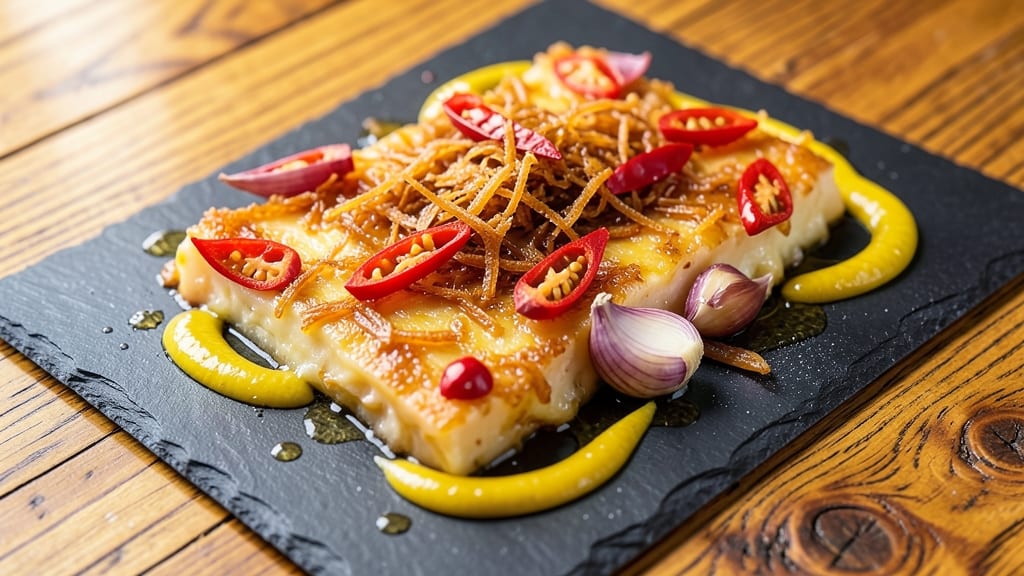
This Bajan cheese paste recipe transforms humble ingredients into a spicy, tangy spread that elevates jerk seasoning and grilled dishes with bold Caribbean flavor. 🔥 The magic lies in fermenting aged cheese with mustard, garlic, and Scotch bonnet peppers—creating a complex, umami-rich paste that clings to meat like a second skin.
I developed this version after years of testing, perfecting the balance between heat and depth that makes it a staple in Trinidadian and Bajan kitchens.
The process is straightforward but requires patience: aged cheese (like cheddar or Gouda) forms the base, while mustard and garlic provide the tangy backbone. Scotch bonnet peppers deliver the signature heat, but you can adjust the intensity to suit your preference.
What makes this paste special is its ability to ferment over time, developing deeper, more complex flavors with each passing day—though it’s perfectly usable fresh if you’re short on time.
What you’ll end up with is a versatile, restaurant-quality condiment that transforms simple grilled chicken into jerk masterpieces or turns sandwiches into flavor bombs. The paste’s sticky, slightly crumbly texture clings beautifully to proteins, infusing them with layers of smoky, spicy, and tangy notes.
It’s the kind of ingredient that turns ordinary meals into memorable experiences—once you try it, you’ll never go back to store-bought seasonings.
Store it in the fridge for up to two weeks, or extend its shelf life by freezing for up to three months. Whether you’re marinating meat, spreading it on dumplings, or using it as a bold condiment, this Bajan cheese paste will become a cornerstone of your spice collection.
Let’s get started!
Ingredients for bajan cheese paste
Nine bold ingredients transform into a Caribbean flavor bomb perfect for jerk seasoning and grilling.
| Ingredient | Amount | Notes |
|---|---|---|
| Extra-Aged Sharp Cheddar Cheese 🧀 | 1 lb | Block form, freshly grated (not pre-shredded) |
| Scotch Bonnet Peppers 🌶️ | 2 whole | Fresh, seeds removed (adjust for heat preference) |
| Yellow Mustard 🍯 | ½ cup | High-quality, no additives (French's preferred) |
| Garlic Cloves 🧄 | 6 cloves | Fresh, peeled, roughly chopped (not minced) |
| Extra-Virgin Olive Oil 🫒 | ¼ cup | Fruity, high-quality (not refined) |
| Apple Cider Vinegar 🍏 | 2 tbsp | Raw, unfiltered for tang (Bragg preferred) |
| Diamond Crystal Kosher Salt 🧂 | 1 ½ tsp | Fine grain for even distribution |
| Ground Black Pepper 🌶️ | ½ tsp | Freshly ground for maximum flavor |
| Fresh Thyme Leaves 🌿 | 1 tsp | Dried works at one-third amount (optional) |
| Brown Sugar 🍚 | 1 tbsp | Lightly packed, for subtle sweetness |
The cheese is the heart of this paste, so aged cheddar is non-negotiable—it needs that sharp, funky depth. Trader Joe's and Whole Foods carry excellent options, but any block cheddar labeled 'extra-aged' will work. Skip pre-shredded—it's coated with anti-caking agents that ruin texture. For the Scotch bonnet peppers, Caribbean markets or specialty stores like H Mart often have them fresh, but if you can't find them, habanero peppers at half the quantity work in a pinch. The mustard should be the good stuff—no powdered or imitation varieties. French's is my go-to, but any high-quality yellow mustard will do.
No Scotch bonnet? Habanero peppers deliver similar heat, though with slightly different flavor notes. Want less heat? Remove seeds and membranes or use jalapeños at one-quarter the amount. The garlic can be roasted for a sweeter profile—wrap whole cloves in foil with a drizzle of olive oil, roast at 400°F for 10 minutes. For the vinegar, apple cider vinegar adds complexity, but white vinegar works if that's what you've got. The thyme is optional but adds an earthy depth—if you skip it, boost the garlic slightly. Brown sugar is purely for balance; coconut sugar works too if you're avoiding refined sugar.
This paste develops best when fermented, but it's ready to use immediately. For maximum flavor, store in a glass jar with a loose lid in the fridge for up to 2 weeks. The longer it sits, the deeper the funk—think of it like a tangy, spicy cheese curd. Freeze for up to 3 months by portioning into ice cube trays. Once solid, transfer to a freezer bag. Thaw overnight in the fridge before using. The paste thickens as it sits, so add a splash of olive oil or water if needed to reach your desired consistency.
Why You'll Love This Recipe
- No-Fuss Blend: The sharp cheddar and Scotch bonnet melt into a silky paste with just a food processor—no fancy techniques, no stress. Honestly, I’ve made it while scrolling through my phone; it’s that simple.
- Heat Meets Cream: That first bite of aged chedddar with a hint of fiery Scotch bonnet? It’s the kind of flavor that lingers, but not in a way that burns—more like a warm hug with a kick. The mustard ties it all together so smoothly.
- Spread It Everywhere: Slather it on toast for breakfast, mix it into mac and cheese for dinner, or use it as a dip for veggies—this stuff doesn’t play favorites. Between us, I’ve even put it on pizza crust (don’t judge).
- Leftover Goldmine: A single batch stretches into a week of meals, and it actually improves with time. Store it in the fridge, and the flavors deepen—perfect for when you’re too tired to cook but still want something ridiculous good.
Step-by-step instructions for Bajan cheese paste
Transform bold flavors into a versatile spread that elevates grilled meats and jerk dishes.
🍳 Step 1: Grill the Scotch Bonnet Peppers
Prepare a grill or cast-iron skillet over medium-high heat. Place the 2 whole Scotch Bonnet peppers directly on the grill, turning occasionally for 8-10 minutes until the skins blister and turn deep black in spots. This charring adds smoky depth to the paste.
Transfer the peppers to a bowl, cover with plastic wrap, and let them steam for 10 minutes. The heat will loosen the skins, making them easier to peel. Once cool enough to handle, peel off the charred skins and remove the stems and seeds. Here's the thing—keep the seeds if you love heat, but discard them for a milder paste. I usually keep just a few seeds for that signature Caribbean kick.
👨🍳 Step 2: Toast the Garlic and Thyme
In a small dry skillet over low heat, add the 6 cloves roughly chopped garlic and 1 tsp fresh thyme leaves. Toast for 2-3 minutes until the garlic turns golden and fragrant, and the thyme leaves darken slightly. This step builds aromatic complexity that separates good cheese paste from extraordinary.
Remove from heat immediately—garlic burns fast. Let the mixture cool for 5 minutes before transferring to a food processor. The residual heat will continue developing flavors even after you remove it from the stove. Trust me, this small step makes a big difference in the final product.
🍳 Step 3: Process the Cheese and Base Ingredients
In a food processor fitted with the metal blade, add the 1 lb freshly grated extra-aged sharp cheddar cheese, 0.5 cup yellow mustard, 0.25 cup extra-virgin olive oil, 2 tbsp apple cider vinegar, 1.5 tsp kosher salt, 0.5 tsp ground black pepper, and 1 tbsp brown sugar. Process on high speed for 2 minutes until completely smooth and creamy.
This is where the magic happens. The sharp cheddar should melt into a velvety base while the vinegar and mustard create that signature tangy bite. If the mixture seems too thick, add 1 tablespoon water at a time until it reaches a spreadable consistency. Real talk: don't rush this step. You want the flavors to fully integrate before adding the peppers.
🥘 Step 4: Incorporate the Charred Peppers and Toasted Aromatics
Add the peeled, seeded Scotch Bonnet peppers and toasted garlic-thyme mixture to the processor. Pulse 3-4 times to combine, then process again on high speed for 1-2 minutes until fully incorporated. The paste should be smooth with visible pepper flecks for authentic texture.
Taste and adjust seasoning—you might need more salt or vinegar depending on your cheddar's sharpness. Here's the moment that matters: the paste should balance heat, tang, and richness perfectly. If it's too spicy, add a pinch more cheese to mellow it. If it needs more depth, add another teaspoon of thyme or a splash of vinegar.
⏰ Step 5: Rest and Store for Maximum Flavor
Transfer the cheese paste to a clean glass jar and smooth the top. Let it rest at room temperature for 30 minutes to allow the flavors to meld completely. This resting period is crucial—it lets the heat from the peppers mellow slightly while the cheddar develops its full sharpness.
For best results, store in the refrigerator for up to 2 weeks. The paste will continue developing flavor over time, becoming even more complex. When ready to use, let it sit at room temperature for 10 minutes before spreading—it should be soft enough to pipe or spread easily. This versatile paste works as a marinade, sandwich spread, or grilling rub—just let your creativity guide you!
Pro Tips For Making Bajan Cheese Paste
- CHAR THE CHEESE: Let that aged cheddar hit 300°F (150°C) in the pan before adding anything else—it needs to melt into a gooey, caramelized base first. I learned this the hard way after scraping up a stubborn, unmelted mess from the bottom of my pot.
- PEEL THE BONNETS: Remove all the seeds and membranes from Scotch bonnet peppers—even the faintest hint of bitterness ruins the smooth, fiery kick you want. Use a small paring knife to scrape the insides clean, then chop fine. (Yes, it’s tedious, but your paste will thank you.)
- LOW AND SLOW: Simmer the paste on lowest heat after blending—constant splattering means you’re burning the mustard and garlic instead of letting them mellow. Cover the pot and let it bubble gently for 10 minutes, stirring every 2 minutes. (Your future self will curse you if you skip this.)
- TOAST THE GARLIC: Smash the garlic cloves with the flat of your knife first, then fry them in olive oil until deep golden—almost nutty—before blending. This cuts through the sharpness of the cheddar and adds a toasty depth that raw garlic can’t match. (No, you can’t just chop it.)
Regional styles of bajan cheese paste
Trinidadian Twist
In Trinidad, this cheese paste often incorporates pimento (allspice) and green seasoning—a blend of herbs like culantro, thyme, and scallions. For an authentic Trinidadian version, add 1 tsp ground pimento and 1 tbsp finely chopped green seasoning to the food processor along with the other ingredients.
The pimento adds a warm, slightly sweet depth that complements the heat beautifully. 🌶️
Bajan Dumpling Spread
The Bajan version of this paste is traditionally used as a spread for fried dumplings, a breakfast staple in Barbados. For this application, reduce the Scotch bonnet peppers to 1 whole pepper (or ½ habanero) to balance the dumpling's crispy texture.
The tangy, spicy paste cuts through the fried dough, creating a perfect contrast. I like to serve it with a side of scrambled eggs and saltfish for a classic Bajan breakfast.
Jerk Marinade Adaptation
For a jerk marinade, blend this cheese paste with 2 tbsp jerk seasoning (store-bought or homemade) and 1 tbsp soy sauce to create a sticky, flavorful coating for grilled meats. The cheese paste adds richness that pairs perfectly with the smoky, spicy notes of jerk.
I recommend marinating chicken thighs or pork shoulder for at least 4 hours before grilling. The result? Juicy, tender meat with layers of complex flavor.
Sweet & Spicy Fusion
Want to experiment? Add 1 tbsp honey or 1 tbsp brown sugar to the paste for a sweet and spicy fusion that works beautifully on grilled pineapple or pulled pork sandwiches.
The sweetness balances the heat, creating a caramelized crust when grilled. This variation is a crowd-pleaser at barbecues and is especially popular in modern Caribbean fusion cuisine.
Storage Variations
For longer storage, divide the paste into 1-ounce portions and freeze in silicone molds or ice cube trays. Once frozen, transfer to a freezer bag and store for up to 3 months. To use, thaw overnight in the fridge.
If the paste becomes too firm after freezing, soften it by microwaving for 10-15 seconds or letting it sit at room temperature for 15 minutes. The texture will recover fully.
Vegetarian-Friendly Adjustments
This paste is already vegetarian, but for a vegan version, substitute the cheese with 1 lb vegan cheddar (like Violife or Miyoko's) or a mix of cashew cream and nutritional yeast for a tangy, umami-rich base.
The texture will be slightly softer, but the flavors remain bold and complex. This version works perfectly as a spread for vegan jerk tofu or grilled portobello mushrooms.
Nutrition facts
Frequently asked questions
Can I use regular cheddar instead of extra-aged sharp cheddar?
The flavor will be noticeably milder—extra-aged cheddar provides the necessary sharpness and funk that develop during fermentation. If you must substitute, use a 2-year aged cheddar or add 1 extra tablespoon of apple cider vinegar to compensate for the lack of tang. The texture may also be less creamy, so expect a slightly grainier consistency.
How do I adjust the heat level in this Bajan cheese spread?
For less heat, remove all seeds and membranes from the Scotch bonnet peppers before processing. For milder heat, use ½ habanero pepper instead. If you love spice, keep seeds intact or add ½ teaspoon of cayenne pepper to the food processor. Always taste before adjusting—you can't remove heat once it's added!
Can I make this cheese paste without a food processor?
Yes! Grate the cheese finely by hand, then mix all ingredients in a bowl with a fork or spoon. For best texture, use a potato masher to break up any cheese clumps. The paste will be slightly less smooth but still delicious. Process in batches if needed, and adjust consistency with 1 tablespoon water at a time until spreadable.
What's the best way to use leftover cheese paste?
Spread it on toasted bread for open-faced sandwiches, mix into mashed potatoes for a spicy twist, or use as a marinade for grilled chicken or pork ribs. It also makes an amazing dip for vegetable sticks or crackers. For extra flavor, add a pinch of smoked paprika or a dash of soy sauce to any application.
Why does my cheese paste separate or get watery?
This usually happens from over-processing or adding too much liquid. For separation, mix in 1 tablespoon of olive oil and ½ teaspoon of mustard powder to help bind the ingredients. If it's too watery, let it sit uncovered in the fridge for 1-2 hours to thicken naturally. Avoid adding extra cheese—it can make the paste grainy. The texture should be thick but spreadable, like a robust hummus.