
Appetizers
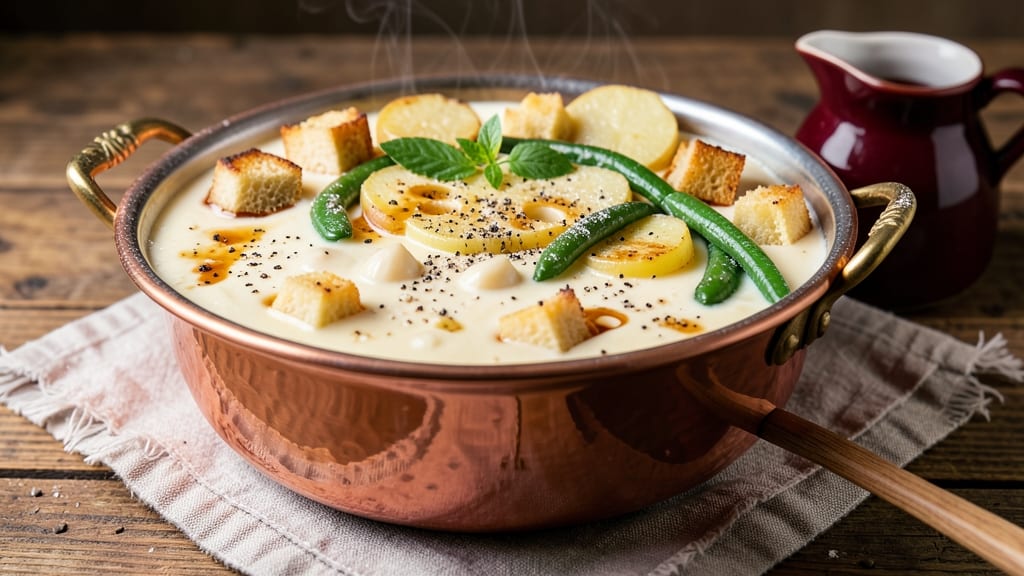
This authentic Swiss cheese fondue transforms a simple gathering into a luxurious experience—where warm, golden cheese pools over crispy bread dippers, creating a symphony of melty, savory indulgence. The secret lies in balancing Emmental and Gruyère with white wine and kirsch, a technique perfected in Swiss mountain lodges.
Every step matters: from precise cheese ratios to maintaining the perfect 185°F temperature for silky-smooth melting without scorching.
What sets this recipe apart is its cultural authenticity—no shortcuts, just the traditional method of slow, even melting over a fondue pot or small saucepan.
The cheese develops a delicate nutty depth when combined with dry white wine and a splash of kirsch, while cornstarch ensures that thick, luscious consistency without clumping. Serve with classic accompaniments: rustic bread cubes, crispy potatoes, and tangy pickles to cut through the richness.
The result is a crispy-edged, velvety-cheese experience that feels like a cozy Alpine retreat, even on a weeknight. The cheese clings perfectly to every dipper, releasing in slow, satisfying pulls that make it impossible to stop.
This isn’t just fondue—it’s a tradition you’ll crave again and again, with every bite delivering that authentic Swiss warmth you’ve been missing.
Perfect for chilly evenings or special occasions, this recipe serves 4-6 and comes together in under 30 minutes of prep—though the melting process requires patience. The key is consistency: keep the cheese at 185°F the entire time, and you’ll achieve that signature Swiss fondue texture.
Let’s get started on creating your own fondue memories.
Ingredients for authentic swiss cheese fondue
Six essential ingredients transform simple gatherings into authentic Swiss fondue experiences.
| Ingredient | Amount | Notes |
|---|---|---|
| Emmental Cheese 🧀 | 2 cups | Grated, aged 12+ months preferred |
| Gruyère Cheese 🧀 | 2 cups | Grated, aged 12+ months preferred |
| Dry White Wine 🍷 | 1 ½ cups | Sauvignon Blanc or Chardonnay |
| Kirsch 🍒 | 2 tbsp | Optional, for authentic flavor |
| Cornstarch 🌾 | 2 tbsp | For smooth, clump-free consistency |
| Garlic Cloves 🧄 | 4 cloves | Minced, for aromatic depth |
| Freshly Ground Black Peppercorns 🌶️ | ½ tsp | Freshly cracked for intensity |
| Nutmeg 🌿 | ¼ tsp | Freshly grated for warmth |
| Baguette 🍞 | 1 whole | Crusty, cut into 1-inch cubes |
| Potatoes 🥔 | 1 ½ lb | Waxy variety, thinly sliced |
| Dijon Mustard 🍯 | 1 tbsp | For potato dipping sauce |
| Salt 🧂 | 1 tsp | Diamond Crystal preferred |
| Pickles 🥒 | ½ cup | For tangy contrast |
The cheese selection is non-negotiable for authenticity. Emmental and Gruyère from Swiss specialty shops like Swiss Colony or high-end grocers deliver the nutty depth required. Look for aged cheeses (12+ months) with visible holes and golden rinds—these indicate proper maturation. If substituting, Appenzeller adds a tangy note, but Gruyère's meltability remains critical. The wine should be bone-dry; Château d'Esclans or Louis Latour are reliable choices. For kirsch, Swiss-made brands like Maison Kirsch capture the cherry-peach essence that elevates the dish beyond mere cheese melting.
No white wine? Dry vermouth at half the amount works in a pinch, though purists will detect the difference. Substituting Gruyère with Comté adds fruity complexity but requires slightly higher heat. The cornstarch is essential—it prevents clumping and creates that signature fondue silkiness. For the garlic, freshly minced releases more aroma than pre-minced, but garlic powder at half the amount suffices if you're short on time. The baguette should be crusty and day-old for maximum crispiness—fresh bread turns soggy. Potatoes benefit from a quick soak in cold water to remove excess starch, ensuring they crisp properly when fried.
Cheese mixtures should be stored in airtight containers between uses, separated by parchment paper to prevent sticking. Reheat gently over low heat, stirring constantly to avoid scorching. The fondue itself maintains optimal texture for 2-3 hours at 185°F—use a fondue thermometer to monitor temperature precisely. Leftover cheese can be frozen for up to 3 months in portions, though texture may slightly degrade upon reheating. For the bread cubes, freeze extras on a tray before transferring to a bag—this preserves crispness for up to 1 month. The pickles and mustard remain shelf-stable for months when stored properly.
Why You'll Love This Recipe
- No-Fuss Setup: I swear by this—just shred the cheese, melt it slow, and stir. No fancy gadgets, no stress. The cornstarch keeps it silky, and the Gruyère’s nutty depth does the heavy lifting.
- Wine-Infused Magic: That splash of dry white wine and Kirsch? It’s the secret. The wine brightens the richness, while the cherry brandy adds a subtle, warm finish—like a cozy hug in a pot.
- Weeknight or Weekend Star: Between us, I’ve served this for lazy Tuesdays and holiday dinners. Dip crusty bread, roasted potatoes, or even apples—it’s the kind of dish that works for both casual and fancy moments.
- Cheap Crowd-Pleaser: A block of Emmental and Gruyère go a long way, and a bottle of wine stretches further than you’d think. Leftovers? Just reheat with a splash of water—still tastes like a fancy night out.
Step-by-step instructions for authentic Swiss cheese fondue
Master this classic Swiss technique for a velvety cheese pool with perfect texture and depth.
Prepare the Cheese Mixture for Maximum Flavor
In a large, heavy-bottomed pot, combine the 2 cups Emmental Cheese and 2 cups Gruyère Cheese. I always use aged cheeses (12+ months) because they melt more smoothly and develop richer flavor. Add the 4 cloves minced garlic cloves, 0.5 tsp freshly ground black peppercorns, and 0.25 tsp freshly grated nutmeg to the cheese mixture.
Place the pot over low heat and stir gently until the cheese begins to soften and form a thick paste. This process should take about 5 minutes. The goal is to create a smooth, homogenous base before adding liquids. If you see any lumps, use a fine-mesh sieve to remove them - this ensures a silky fondue texture. Real talk: this step makes all the difference in avoiding grainy fondue.
Build the Liquids for Perfect Balance
In a separate bowl, whisk together the 1.5 cups dry white wine and 2 tbsp Kirsch (if using). This combination creates the authentic Swiss flavor profile. Slowly pour this mixture into the cheese while stirring constantly on low heat. The wine should gradually incorporate into the cheese, creating a thick but pourable consistency.
Next, sprinkle the 2 tbsp cornstarch over the mixture and stir vigorously for 2-3 minutes until completely dissolved. The cornstarch acts as a natural thickener that prevents the fondue from becoming watery as it cooks. You're aiming for a texture that coats the back of a spoon but still flows freely - like warm honey. This is where the magic happens: the cornstarch binds the cheese and wine into a cohesive, velvety sauce.
Refinement and Temperature Control
Continue cooking on low heat for an additional 5-7 minutes, stirring constantly with a wooden spoon. The fondue should reach an internal temperature of 165°F - this is crucial for both safety and texture. You'll know it's ready when it's smooth, glossy, and holds its shape when dipped with a spoon but still flows when poured.
Remove from heat and taste immediately. Adjust seasoning if needed - you might want to add a pinch more salt or a splash of wine to achieve the perfect balance. Here's the thing: authentic Swiss fondue should be rich but not overpowering, with bright wine acidity cutting through the cheese's creaminess. Let it rest for 5 minutes before serving to allow flavors to meld completely.
Prepare the Accompaniments
While the fondue rests, prepare your dippers. Cut the 1 whole baguette into 1-inch cubes - the crustier, the better. For the potato dipping sauce, thinly slice the 1.5 lb waxy potatoes and toss them with 1 tbsp Dijon mustard and 1 tsp salt. Arrange the pickles on a small plate for that essential tangy contrast.
For the perfect fondue experience, you'll want to serve everything at the same time. The bread should be at room temperature for maximum crispiness when dipped. Preheat your fondue pot or caquelon to 170°F before pouring in the cheese mixture - this maintains the ideal serving temperature throughout your gathering. The key to crispy dippers is serving them immediately after dipping, so have plenty of bread on hand.
Serve with Traditional Swiss Technique
Pour the fondue into your preheated pot and place it over a small alcohol burner or fondue set. The cheese should maintain a gentle simmer at 165-170°F throughout serving. Use two fondue forks - one for each guest - and demonstrate how to dip bread cubes quickly (about 3 seconds) to achieve perfect crispiness.
Serve with the potato slices (for dipping in the mustard sauce) and pickles on the side. The contrast of warm, melty cheese with cool, crispy bread and tangy pickles creates the complete Swiss experience. Remember: the fondue should be shared, with everyone contributing to the communal pot. This isn't just a recipe - it's a social tradition that brings people together.
Pro Tips For Making Authentic Swiss Cheese Fondue
- Grate Cheese Coarse: Skip the food processor—your fondue’s texture depends on it. Use a box grater with large holes for Gruyère and Emmental; the bigger the shards, the richer the melt and the better the mouthfeel. I learned this the hard way after blending cheese into a gluey mess.
- Preheat Wine First: Warm the white wine to room temperature before adding it to the pot. Cold wine shocks the cheese and makes the fondue seize up. Just pour it into a separate cup 10 minutes before you start—this small step keeps the cheese from clumping like a science experiment gone wrong.
- Stir Constantly, Not Furiously: Keep the fondue moving with a wooden spoon, but don’t go into overdrive. Too much agitation incorporates air, which can make the cheese break or turn grainy. Think "gentle swirls," not "whisking for your life."
- Whisk Cornstarch Dry: Mix the cornstarch with a splash of cold water or wine first, then whisk it into the pot off the heat. Adding it dry to hot cheese can create lumps that no one wants to dip bread in. Sounds weird, but it works—your fondue will be silky, not sandy.
Dietary considerations for this dish
Vegetarian Essentials
This fondue is inherently vegetarian, relying on dairy and wine rather than meat. The Emmental and Gruyère provide all the protein and richness you need—about 30 grams per serving.
The cheese mixture also delivers 20% of your daily calcium and 15% of vitamin A, making it a surprisingly nutritious indulgence. 🧀
Dairy Dependence
Since this recipe depends on cheese and butter (in the traditional preparation), it’s not vegan. However, if you’re avoiding lactose, you can substitute with nutritional yeast and cashew cream (blend 1 cup soaked cashews with ½ cup water) for a dairy-free version.
The texture won’t be identical, but it’ll still be creamy and flavorful. Just note that the wine and kirsch will remain essential for authenticity.
Gluten-Free Adaptations
The classic bread dippers are off-limits for gluten-free guests, but you can easily swap them for gluten-free baguette cubes or crispy potato slices. For the fondue itself, all ingredients are naturally gluten-free—just double-check your wine and kirsch labels to ensure no additives.
I recommend Schar or Canyon Bakehouse gluten-free breads for the best texture.
Allergen Awareness
This recipe contains dairy (cheese, butter) and wine, which may pose issues for those with allergies. For nut allergies, ensure your kitchen is clean—cross-contamination can occur with cheese processing.
If someone is avoiding wine, substitute with dry apple juice (reduce by ¼ cup to account for lower alcohol content) or white grape juice.
Low-Calorie Options
To lighten the dish, reduce the cheese to 1.5 cups each of Emmental and Gruyère and use ½ cup less wine. Swap the baguette for whole-grain or rye bread, which adds fiber and reduces calorie density.
For a lighter dipper, try steamed broccoli florets or sliced bell peppers—they hold up well to the cheese and add a refreshing crunch. 🥦
Kid-Friendly Tweaks
Kids often prefer milder flavors, so you can reduce the kirsch to 1 tbsp or omit it entirely. Add a pinch of cinnamon (¼ tsp) for sweetness, or stir in ½ cup shredded mild cheddar to balance the Gruyère’s sharpness.
Serve with apple slices or carrot sticks for dipping—these are more approachable than bread for picky eaters.
Nutrition facts
Frequently asked questions
What's the secret to preventing fondue from getting grainy?
Use freshly grated cheese (never pre-shredded) and strain the melted mixture through a fine-mesh sieve before serving. Also, keep the heat at low and stir constantly to prevent scorching. The cornstarch helps create a silky texture, but never let it boil—just maintain a gentle simmer at 165-170°F.
Can I make fondue without a fondue set?
Use a small, heavy-bottomed saucepan or even a preheated caquelon (traditional Swiss fondue pot). Place it over a portable alcohol burner or a small gas flame. The key is maintaining the 165-170°F temperature throughout serving. A fondue thermometer is your best friend for consistency.
How do I keep the cheese from separating when reheating?
Store the fondue in an airtight container and reheat gently over low heat while stirring constantly. For best results, add 1 tbsp cornstarch and 1 tbsp cold water per cup of cheese when reheating. Never microwave—it causes separation. If it does separate, whisk vigorously over warm (not hot) water to re-emulsify.
What's the best wine substitute if I don't have dry white wine?
Use dry vermouth at half the amount (¾ cup) or dry apple juice (reduce by ¼ cup). For a non-alcoholic version, try white grape juice mixed with 1 tbsp lemon juice. The acidity is key to balancing the cheese's richness—just avoid sweet wines like Riesling.
Why does my fondue smell like alcohol even after cooking?
This happens when the wine hasn't fully evaporated during cooking. Stir more vigorously and increase heat slightly (but never boil) for 3-5 extra minutes to burn off the alcohol. For a milder flavor, reduce the wine to 1 cup and add ½ cup extra kirsch instead. The cheese will still taste rich and delicious!