
Appetizers
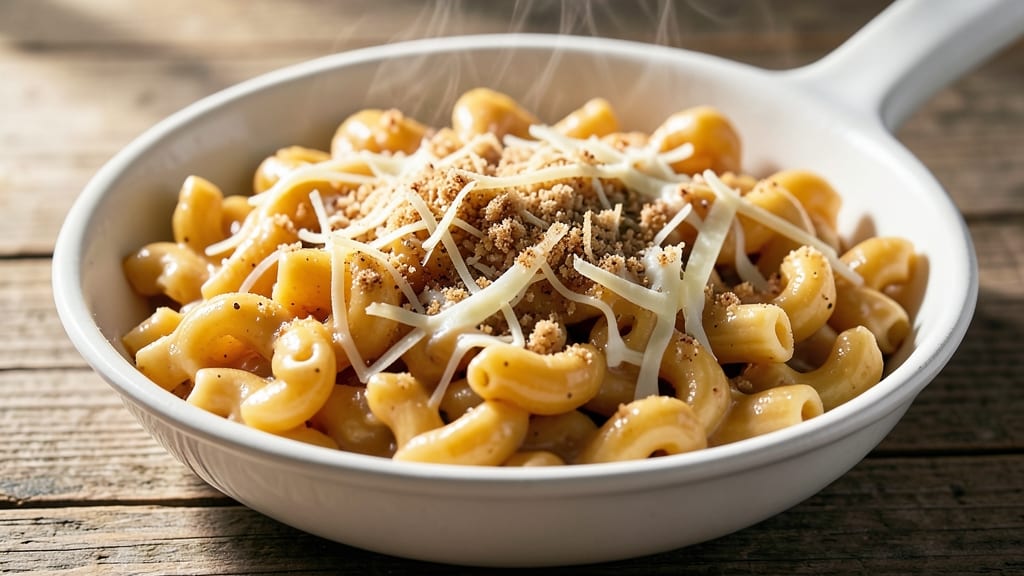
This authentic mac and cheese recipe delivers the velvety, cheesy perfection you crave—just like your favorite Southern restaurant. The secret lies in a proper roux and a blend of sharp cheddar, Gruyère, and cream cheese for that signature rich, creamy texture.
I've perfected this stovetop method over years of testing, ensuring every bite is tender, flavorful, and impossible to resist.
The key to authentic mac and cheese starts with a well-developed roux—cooking butter and flour until golden creates a smooth, lump-free base for the sauce. Adding milk gradually while whisking ensures a silky consistency, while the cheese melts into a luxurious, golden blanket over perfectly cooked elbow macaroni.
This method skips the boxed shortcuts, delivering restaurant-quality results in just 30 minutes without baking.
What sets this recipe apart is the balance of cheeses: sharp cheddar for tang, Gruyère for nuttiness, and cream cheese for creaminess. The sauce clings to each noodle, creating a dish that's both comforting and impressive.
Serve it as-is for a stovetop classic or broil briefly for a golden crust. Either way, you'll achieve that Southern-style richness that makes this dish legendary.
Pair with buttery breadcrumbs or crispy crackers for texture, and garnish with fresh chives for brightness. This authentic version proves you don't need fancy techniques—just patience and quality ingredients. Let's make the best mac and cheese you've ever tasted.
Ingredients for authentic mac and cheese
Twelve ingredients transform into the creamiest, most authentic Southern-style mac and cheese you'll ever taste.
| Ingredient | Amount | Notes |
|---|---|---|
| Elbow Macaroni 🍝 | 12 oz | Dry, medium or elbow shape |
| Unsalted Butter 🧈 | ½ cup | Cold, cut into small cubes |
| All-Purpose Flour 🌾 | ½ cup | For roux development |
| Sharp White Cheddar Cheese 🧀 | 2 cups | Shredded, aged 6+ months |
| Gruyère Cheese 🧀 | 1 cup | Shredded, nutty flavor |
| Cream Cheese 🧀 | 4 oz | Full-fat, softened |
| Whole Milk 🥛 | 2 cups | Room temperature |
| Heavy Cream 🥛 | ½ cup | For extra richness |
| Diamond Crystal Kosher Salt 🧂 | 1 ½ tsp | Adjust to taste |
| Freshly Ground Black Pepper 🌶️ | ½ tsp | For finishing |
| Fresh Chives 🌿 | ¼ cup | Chopped, for garnish |
| Butterflake Seasoned Breadcrumbs 🍞 | ½ cup | For topping (optional) |
The cheeses make or break this dish. Sharp white cheddar—the kind that's aged at least six months—gives that signature tang, while Gruyère adds nutty depth. I grab mine from Whole Foods or specialty cheese shops, but any well-aged cheddar works. The cream cheese is non-negotiable for that velvety texture—full-fat only, please. For the roux, unsalted butter and Diamond Crystal kosher salt are key. Regular table salt won't give you the same flavor control, and the butter must be cold when you start to prevent a greasy roux.
No sharp cheddar? Extra-sharp cheddar at half the amount works in a pinch, but it won't be as rich. Substituting Gruyère? Parmesan or Comté both work, though they'll change the flavor profile slightly. Out of whole milk? 2% milk with an extra splash of heavy cream keeps things creamy. The breadcrumbs? Panko or crushed crackers work if you're out of Butterflake, but they won't have that same buttery crunch. And if you're watching calories, skip the heavy cream entirely—the milk and cream cheese will still give you that luxurious texture.
This sauce gets better as it sits, so make it ahead if you can. Store leftovers in an airtight container for up to 5 days in the fridge, though I find it's best within 3 days. For freezing, portion into single servings—it reheats beautifully. The breadcrumbs? Toast them fresh before serving if you're making this ahead of time. And if you're serving it at a party, keep the chives separate until the last minute—they wilt fast in hot sauce. Trust me, the extra minute of prep is worth it for that fresh pop of color.
Why You'll Love This Recipe
- One-Pot Magic: I swear by this recipe because it’s actually one-pot—no straining, no extra bowls, just melt the butter, whisk the roux, toss in the cheese, and boom. The elbow macaroni stays perfectly coated, and cleanup? One spatula and a quick rinse.
- Cheese Love Bomb: Sharp white cheddar and Gruyère? That’s a flavor combo that hits just right—creamy but with a nutty, sharp bite. Between us, I’ve tried store-bought versions, and this one actually tastes like someone put effort in.
- Weeknight Hero: Between us, this is my go-to when I’m exhausted but need to feed the family. It’s ready in 25 minutes, reheats beautifully, and even my picky 10-year-old asks for seconds. (Yes, even on a Tuesday night.)
- Budget-Friendly Luxury: You’re getting restaurant-quality richness without breaking the bank—Gruyère’s the star, but the cheddar keeps it affordable. Plus, leftovers? They’re just as good cold in sandwiches the next day. My wallet and my taste buds thank me.
Step-by-step instructions for Southern-style stovetop mac and cheese
Here's how to make velvety, authentic Southern-style mac and cheese that stays rich and creamy.
Cook the Elbow Macaroni to Perfect Al Dente
Bring a large pot of water to a rolling boil and add 12 oz elbow macaroni. Stir immediately to prevent sticking. Cook for 11-12 minutes until the pasta is al dente—it should have a slight bite in the center but still be tender. I like to taste-test one piece to confirm it's just right.
Before draining, reserve 1 cup of pasta water in a measuring cup. This starchy liquid is essential for creating a silky sauce later. Drain the pasta and set it aside in the pot, leaving it slightly damp to help the cheese sauce cling perfectly.
Make the Classic Roux for a Silky Base
In the same pot, reduce heat to medium-low and add ½ cup unsalted butter cut into small cubes. Let it melt completely, then whisk in ½ cup all-purpose flour to form a smooth, pale roux. Cook for 2-3 minutes, stirring constantly, until the mixture turns a light golden color and smells nutty.
This step is crucial—don't rush it or the roux will taste raw. The proper roux creates the velvety texture that sets authentic Southern mac and cheese apart. Keep the heat low to prevent burning, which would ruin the delicate flavor.
Build the Cheese Sauce Layer by Layer
Gradually whisk in 2 cups whole milk and ½ cup heavy cream, adding them slowly to prevent lumps. Cook for 3-4 minutes until the mixture thickens enough to coat the back of a spoon. Then reduce heat to low and add the 2 cups sharp white cheddar cheese and 1 cup gruyère cheese, stirring constantly until fully melted.
Here's the thing—adding the cheeses gradually prevents curdling. I like to use a wooden spoon for this step because it helps scrape up any cheese stuck to the bottom. The sauce should be smooth, glossy, and thick enough to coat the back of a spoon but still flow easily.
Add Cream Cheese and Seasonings for Richness
Remove the pot from heat and stir in the 4 oz softened cream cheese, 1½ tsp diamond crystal kosher salt, and ½ tsp freshly ground black pepper. The cream cheese adds luxurious creaminess that makes this mac and cheese truly special. If the sauce looks too thick, whisk in 2-3 tablespoons of reserved pasta water to reach your desired consistency.
Return the pot to low heat and gently fold in the cooked elbow macaroni. The residual heat will help the cheese sauce fully coat each strand. Taste and adjust seasoning if needed—sometimes the cheddar needs a bit more salt to shine.
Finish with Chives and Optional Breadcrumbs
Transfer the mac and cheese to a serving dish and sprinkle with ¼ cup chopped fresh chives for a bright, fresh finish. For that classic Southern crunch, top with ½ cup butterflake seasoned breadcrumbs and broil for 2-3 minutes until golden brown and bubbly.
Serve immediately while still hot—this dish is best enjoyed fresh from the stove. The combination of sharp cheddar, nutty gruyère, and creamy elements creates a rich, velvety texture that's pure comfort food perfection. Each bite delivers that authentic Southern flavor we all love.
Pro Tips For Making Authentic Mac And Cheese
- Cook pasta al dente: I learned this the hard way—overcooked noodles turn mushy, no matter how good the cheese. Pull elbows out when they still have a slight bite, then finish cooking in the sauce. That last minute makes all the difference in texture.
- Grate cheese fine: Big chunks of Gruyère or cheddar won’t melt smoothly, no matter how long you bake it. Use a box grater and pulse any stubborn bits in a food processor until it’s powdery. Your sauce will be silkier, not grainy.
- Avoid boiling the roux: The moment your butter-flour mix turns golden, lower the heat or you’ll burn it. A burnt roux tastes acrid, and no amount of cheese can fix it. Keep it on medium-low once it thickens.
- Salt the pasta water: Skip this and your noodles taste bland, even with all that cheddar. Use 1.5 tablespoons of salt per 4 quarts of water—yes, even if your recipe doesn’t say so. The flavor carries through the dish.
Troubleshooting this recipe
Roux Gone Wrong
If your roux turns gray or smells burnt, you've gone too far. This happens when heat exceeds 300°F—keep it at medium-low and stir constantly. For a quick fix, whisk in milk immediately to stop the cooking process and salvage the flavor.
I’ve ruined many rouxes this way, but a splash of milk always saves the day. 🌡️
Lumpy Sauce
Lumps form when cheese or flour isn’t fully incorporated. To fix it, remove the pot from heat and use an immersion blender for 10-15 seconds—this smooths out even stubborn clumps.
If you don’t have one, strain the sauce through a fine-mesh sieve into a clean pot, then whisk vigorously. Always add cheese gradually and stir relentlessly.
Sauce Too Thin
A watery sauce usually means the roux wasn’t cooked long enough or too much liquid was added. Simmer the sauce uncovered for 5-7 minutes to thicken naturally.
If it’s still too thin, mix 1 tbsp cornstarch with 2 tbsp cold water, stir into the sauce, and cook for 2 more minutes. This trick works like magic—just don’t overdo it or the sauce will turn gluey.
Cheese Separates
If your sauce looks oily or curdled, it’s likely overcooked or had too much heat. Remove from heat immediately and whisk in 1 tbsp cold butter or 1 oz cream cheese. The fat helps emulsify the sauce.
For prevention, keep heat at low after adding cheese—never let it boil again once the cheese is in.
Pasta Too Dry
Overcooked pasta leads to a dry, gritty texture. If your macaroni is too firm, toss it with 1 tbsp butter and 1 tbsp milk to restore moisture. For next time, cook pasta for 1 minute less than package instructions—it’ll finish cooking in the cheese sauce.
Always drain pasta al dente and reserve that starchy water!
Burnt Breadcrumbs
Broiling breadcrumbs too long turns them bitter. Keep a close eye on them—2-3 minutes is max—and watch for golden brown, not dark brown. If they burn, scrape them off and replace with fresh, toasted ones.
For extra insurance, broil on medium-low heat—it’s gentler but still gets the job done. 🔥
Nutrition facts
Frequently asked questions
Can I make this mac and cheese ahead of time?
Yes, but with a few key adjustments! Prepare the cheese sauce and cook the pasta separately, then combine them just before serving. Store components in airtight containers in the fridge for up to 3 days. To reheat, warm gently on the stove with a splash of milk to restore creaminess. The sauce actually improves overnight as flavors meld.
What's the best cheese substitute if I can't find Gruyère?
Try Parmesan or Comté for a similar nutty depth, though the flavor will shift slightly. For extra richness, mix ½ cup sharp cheddar with ½ cup Monterey Jack—this combo delivers that classic tang without breaking the bank. Just remember, Gruyère's meltability is key for that velvety texture.
Why does my sauce get grainy when I add cheese?
This happens when cheese isn't fully melted or the sauce is too hot. Always remove from heat before adding cheese, then stir constantly on low heat until smooth. For stubborn grains, whisk in 1 tbsp cold butter—it helps emulsify the sauce. Gradual addition and relentless stirring prevent this common issue.
Can I make this recipe without dairy?
For a dairy-free version, replace butter with olive oil or vegan butter, use unsweetened almond milk instead of dairy milk, and substitute cheeses with nutritional yeast and vegan cheese blends. The texture will be lighter, but you can still achieve creamy results with proper stirring. Just expect a different flavor profile.
How do I make this extra crispy on top?
For maximum crunch, spread the mac and cheese in a baking dish and top with butterflake breadcrumbs mixed with 1 tbsp melted butter. Broil on high heat for 3-4 minutes until golden brown, watching closely to avoid burning. For even crispier results, toast the breadcrumbs separately and sprinkle them on top right before serving.