
Soups & Stews
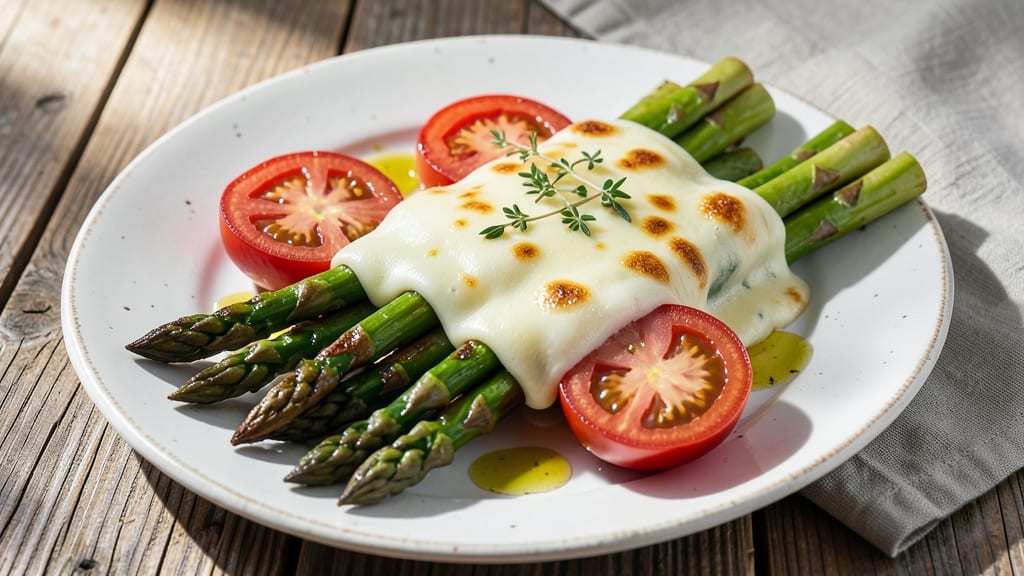
This asparagus tomato cheese recipe transforms spring's freshest ingredients into a bistro-worthy one-pan bake that's impossible to resist. The crisp-tender asparagus, juicy tomatoes, and melted cheese create a harmonious balance of textures and flavors that feels both elegant and approachable.
I developed this dish after realizing how often fresh spring produce gets overlooked in favor of heavier winter meals.
The beauty of this recipe lies in its simplicity—just 20 minutes of prep and 25 minutes of baking time deliver restaurant-quality results without requiring fancy techniques.
The key is roasting the vegetables at high heat first to develop their natural sweetness, then finishing with a generous layer of cheese that melts into a golden, bubbly blanket. This method ensures every bite is packed with flavor while keeping the dish light enough for spring dining.
What makes this recipe truly special is how it elevates simple ingredients to something extraordinary. The asparagus becomes tender-crisp with caramelized edges, the tomatoes burst with concentrated sweetness, and the cheese creates a rich, creamy sauce that ties everything together.
It's the kind of dish that feels indulgent yet remains balanced enough for a weeknight dinner or a special springtime meal.
The best part? This recipe scales beautifully—whether you're cooking for two or feeding a crowd. Serve it with crusty bread to soak up the delicious cheese sauce or alongside a simple green salad for a complete springtime feast. Let's get started on creating this bistro-worthy one-pan wonder!
Ingredients for asparagus tomato cheese
Spring's freshest produce meets bold flavors in this elegant one-pan creation.
| Ingredient | Amount | Notes |
|---|---|---|
| Asparagus Spears 🌱 | 1 lb | Trimmed and tough ends removed |
| Heirloom Tomatoes 🍅 | 4 medium | Large, ripe, halved horizontally |
| Extra-Sharp White Cheddar Cheese 🧀 | 1 ½ cups | Shredded, block preferred |
| Fontina Cheese 🧀 | ½ cup | Shredded, for creamy texture |
| Extra-Virgin Olive Oil 🫒 | ¼ cup | High-quality, fruity |
| Fresh Thyme Leaves 🌿 | ¼ cup | Chopped, stems removed |
| Garlic Cloves 🧄 | 4 cloves | Minced, fresh preferred |
| Diamond Crystal Kosher Salt 🧂 | 1 ½ tsp | For seasoning and finishing |
| Freshly Ground Black Pepper 🌶️ | ½ tsp | Coarsely cracked |
| Crusty Baguette 🍞 | 1 whole | Sliced for serving |
| Fresh Basil Leaves 🌿 | 0.2 cup | Chopped, for garnish |
| Balsamic Glaze 🍷 | 2 tbsp | For drizzling |
The asparagus and heirloom tomatoes are the stars here—look for bright green asparagus with tightly closed tips and tomatoes with vibrant, unblemished skin. Local farmers markets often carry the best heirloom varieties, but any large, ripe tomatoes will work. The cheeses are non-negotiable: extra-sharp white cheddar for that tangy bite and Fontina for its creamy melt. I always buy block cheese from specialty shops—pre-shredded contains anti-caking agents that ruin the texture. For the olive oil, California Early Harvest or Italian brands like Bertolli are my go-tos—their fruity notes complement the vegetables beautifully.
No heirloom tomatoes? Beefsteak or Roma tomatoes work perfectly—just ensure they're ripe. Short on Fontina? Gruyère or Gouda at a 1:1 ratio delivers similar richness. The balsamic glaze can be swapped for aged balsamic vinegar reduced with a pinch of sugar. For the thyme, fresh is ideal but dried at one-third the amount suffices. The baguette? Any crusty loaf works—French bread from the bakery section is perfect, but even a good sourdough will do. Prefer a different cheese? Parmesan adds umami while mozzarella keeps it lighter, though the texture will differ slightly.
Prep the asparagus and tomatoes first—they release moisture that needs to evaporate before adding cheese. Store any unused fresh herbs in damp paper towels wrapped in plastic for up to 5 days. The cheese mixture can be prepped ahead and refrigerated for 2 hours before baking. Leftovers? This reheats beautifully—350°F for 5-7 minutes until bubbly. For meal prep, portion into individual baking dishes and freeze for up to 2 months. The flavors actually deepen overnight, making it perfect for lunches.
Why You'll Love This Recipe
- One-Pan Magic: I swear by this recipe when I’m too tired to wash extra dishes. Toss the asparagus, tomatoes, and cheese on a sheet pan, drizzle with olive oil, and bake—no chopping boards, no fuss. The asparagus gets tender-crisp while the tomatoes blister, and the cheeses melt into a golden, stretchy blanket. Chef’s kiss.
- Melty Perfection: Between us, the combo of sharp white cheddar and creamy fontina is ridiculously good. The cheddar adds that tangy bite, while the fontina melts into a velvety pool—especially when you cut into those blistered tomatoes. Honestly, I’ve made this for dinner parties, and no one ever asks for the recipe. They just keep reaching for seconds.
- Weeknight to Picnic: This dish is my go-to for when I need something fast but still feels special. Pack the leftovers in a container for lunch the next day, or take it straight to a potluck—it’s hearty enough to stand alone but fancy enough to impress. (Yes, even on a Tuesday night.)
- Budget-Friendly Luxe: Fresh asparagus and heirloom tomatoes might sound pricey, but this recipe stretches far. A single sheet pan serves four, and the cheeses stretch thin when baked, so you’re not drowning in costs. Plus, the olive oil and cheese make it taste like you spent hours cooking—without the grocery bill to prove it.
Step-by-step instructions for springtime one-pan bistro bake
This elegant yet approachable dish delivers restaurant-quality flavors with minimal effort.
Prep and Season the Vegetables
Preheat your oven to 400°F while you prepare the vegetables. Trim the tough ends from the 1 lb asparagus spears and cut each spear in half lengthwise. Halve the 4 medium heirloom tomatoes horizontally, ensuring the seeds remain intact for natural sweetness.
In a large bowl, combine the asparagus and tomatoes with 0.25 cup chopped fresh thyme leaves, 4 minced garlic cloves, 1.5 tsp Diamond Crystal kosher salt, and 0.5 tsp freshly ground black pepper. Toss gently to coat evenly. The thyme will infuse its earthy aroma while the garlic and salt enhance the natural flavors of the vegetables.
Roast the Vegetable Base
Transfer the seasoned vegetables to a single large baking sheet lined with parchment paper. Arrange them in a single layer, leaving space between each piece for even browning. Drizzle evenly with 0.25 cup extra-virgin olive oil, then toss again to ensure everything is lightly coated.
Roast for 12-15 minutes until the asparagus edges begin to crisp and the tomatoes soften slightly but still hold their shape. You'll know they're ready when the asparagus develops a golden hue and the tomatoes release their juices. Resist the urge to overcook—they'll continue cooking when you add the cheese.
Add and Melt the Cheese Mixture
Remove the baking sheet from the oven and sprinkle the roasted vegetables evenly with 1.5 cups shredded extra-sharp white cheddar cheese and 0.5 cup shredded fontina cheese. The fontina will add a creamy, slightly nutty contrast to the sharp cheddar. Return the baking sheet to the oven and bake for an additional 5-7 minutes until the cheese is fully melted and bubbly.
Watch closely during this final stage—the cheese should be golden and slightly crispy on top, with the edges forming a delicate crust. If any spots remain unmelted, use a small offset spatula to gently spread the cheese until fully combined. This is where the dish transforms from simple roasted vegetables to a rich, cheesy bistro-style bake.
Garnish and Serve Warm
Once the cheese is perfectly melted, remove the baking sheet from the oven and let it cool for 2-3 minutes. This brief rest allows the cheeses to set slightly, making it easier to serve without losing the melt. Sprinkle evenly with 0.2 cup chopped fresh basil leaves and drizzle with 2 tbsp balsamic glaze in a zigzag pattern.
Serve immediately with slices of the 1 whole crusty baguette on the side for dipping. The contrast of the warm, cheesy vegetables with the cool, crisp bread creates a perfect balance. Each bite should deliver a harmonious blend of sweet tomatoes, crisp asparagus, and rich, melted cheeses with a touch of tangy balsamic glaze.
Pro Tips For Making Asparagus Tomato Cheese
- CHAR THE ASPARAGUS FIRST: Blister the asparagus spears in a screaming-hot pan with a drizzle of olive oil for 2-3 minutes before adding anything else. This jumpstarts the flavor and prevents them from turning to mush when the tomatoes release their juices later—trust me, I’ve seen this recipe fail when I skipped this step.
- SALT THE TOMATOES LIKE PASTA: Slice those heirloom tomatoes and toss them with a pinch of salt and a drizzle of olive oil 10 minutes before cooking. The salt draws out moisture, concentrating their sweetness, while the oil keeps them from sticking to the pan—no soggy salad vibes here.
- STOP WHEN CHEESE STICKS: When melting the Fontina and white cheddar together, pull the pan off heat the second the cheese forms a cohesive, stretchy layer that clings to the back of a spoon. Overcooking turns it grainy—I’ve ruined enough batches by letting it bubble like glue.
- USE A SPLATTER GUARD: Cheese + tomatoes = a messy, greasy splatter bomb. Slide a piece of parchment paper under the pan before adding the tomatoes, or just cook this on the back burner. Your countertop will thank you, and you won’t be scrubbing cheese off your ceiling fan.
Common mistakes when making great asparagus tomato cheese
Overcooking Asparagus
One of the biggest mistakes is roasting the asparagus too long, which turns it mushy instead of tender-crisp. The ideal time is 12-15 minutes at 400°F—any longer and you'll lose that perfect snap.
I've learned to set a timer and check at 12 minutes to ensure the edges just begin to brown. If you see the asparagus wilting completely, remove it immediately. 🌱
Uneven Cheese Melting
Sprinkling cheese too thickly in one area creates cold spots while other sections burn. Distribute the 1.5 cups cheddar and 0.5 cup Fontina evenly across the pan, using your fingers to spread it lightly.
For extra insurance, I recommend using a mix of block-shredded cheeses—they melt more smoothly than pre-shredded varieties. If you notice uneven melting, return the pan to the oven for 1-2 minutes at 375°F to finish.
Skipping the Resting Time
Rushing to serve immediately after baking causes the cheese to slide off the vegetables and creates a messy presentation. Let the dish rest for 2-3 minutes before serving—this allows the cheeses to set slightly and creates a more elegant texture.
I've made this mistake countless times and always end up with cheese puddles on the plate. Trust me, the wait is worth it! 🧀
Using Pre-Shredded Cheese
Pre-shredded cheese contains anti-caking agents that prevent proper melting and create a grainy texture. Always use freshly shredded block cheese for the best results. If you're short on time, buy a block of extra-sharp white cheddar and shred it yourself using the large holes on a box grater.
The effort makes a noticeable difference in the final dish.
Overcrowding the Pan
Placing too many vegetables in a single layer prevents proper browning and steaming occurs instead of roasting. Arrange the asparagus and tomatoes in a single layer with ½ inch between each piece.
If needed, use two baking sheets instead of overcrowding one. This ensures even cooking and those beautiful caramelized edges we all love. 🔥
Ignoring the Balsamic Glaze
While the dish is delicious without it, the balsamic glaze adds that final touch of sophistication. Drizzling 2 tbsp just before serving enhances the natural sweetness of the tomatoes and adds a beautiful visual contrast.
I like to use a squeeze bottle for an even zigzag pattern. If you're in a hurry, a simple reduction of 1 tbsp balsamic vinegar with ½ tsp sugar works in a pinch.
Nutrition facts
Frequently asked questions
Can I use cherry tomatoes instead of heirloom tomatoes?
Cherry tomatoes work beautifully and actually roast faster, giving you that concentrated sweetness. Use about 2 cups of cherry tomatoes instead of the 4 medium heirloom tomatoes called for, and reduce the roasting time by 2-3 minutes to prevent overcooking. Their smaller size also makes them easier to arrange evenly on the baking sheet.
What's the best way to store leftovers?
Store leftovers in an airtight container in the refrigerator for up to 3 days. Reheat at 350°F for 5-7 minutes until bubbly—cover with foil for the first 3 minutes to prevent over-browning. For freezing, portion into individual baking dishes and freeze for up to 2 months. The flavors actually deepen overnight, making reheated portions perfect for quick lunches.
Can I make this vegetarian?
This recipe is already vegetarian, but if you want to add protein, consider topping with grilled chicken or crispy chickpeas before baking. For a vegan version, swap the cheeses for vegan mozzarella and use a cashew cream sauce instead. The dish maintains its springtime freshness while accommodating different dietary needs.
Why does my cheese not melt smoothly?
Pre-shredded cheese contains anti-caking agents that prevent proper melting. Always use freshly shredded block cheese—it melts beautifully and creates that perfect creamy texture. If you're short on time, buy a block and shred it yourself with a box grater. For extra insurance, mix cheddar and Fontina as they melt at different rates, creating a rich, creamy sauce.
What's the best way to serve this dish?
Serve warm with crusty baguette slices for dipping, or pair with a fresh arugula salad dressed with lemon vinaigrette. The contrast of warm, cheesy vegetables with cool, crisp greens creates the perfect springtime meal. For a heartier option, add a side of roasted potatoes or warm polenta to soak up the delicious cheese sauce.