
Breakfast & Brunch
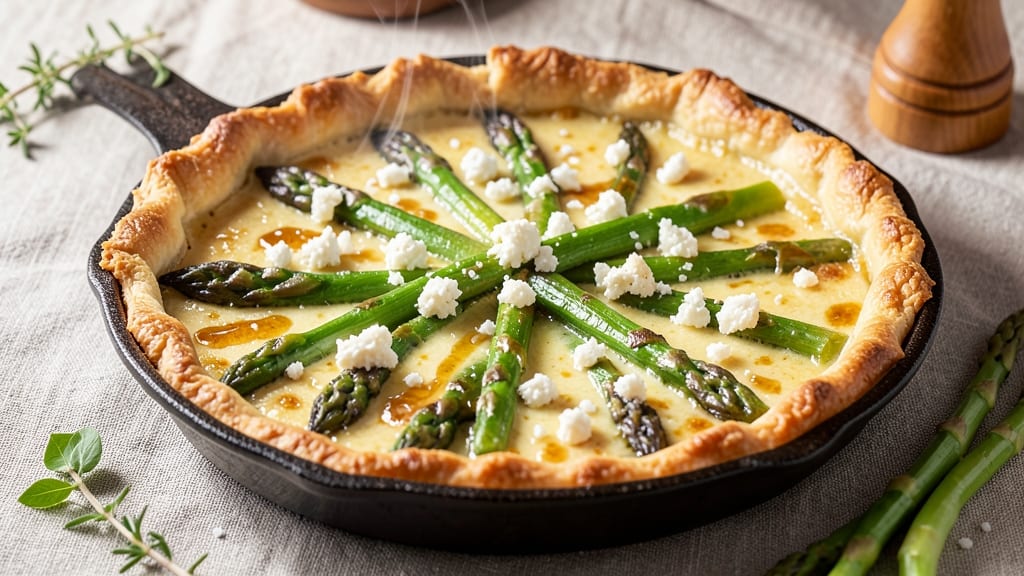
This asparagus and goat cheese quiche recipe delivers restaurant-quality breakfast that shines with a golden crust and herby cream filling. The secret lies in pre-baking the crust just enough to prevent sogginess while ensuring it stays crispy at the edges—something most home recipes miss.
I developed this version after years of trial and error, focusing on the perfect balance of tender asparagus and tangy goat cheese that melts into a silky texture.
The filling combines fresh asparagus spears with a rich cream base and crumbled goat cheese, all nestled into a buttery crust that bakes to a perfect golden brown.
What makes this quiche stand out is the technique of pre-cooking the asparagus slightly before adding it to the filling—this ensures it stays crisp-tender rather than turning mushy. The result is a quiche that's elegant enough for brunch but simple enough for a weeknight dinner.
Baking at 375°F (190°C) for about 35-45 minutes guarantees a perfectly set filling with a golden crust that holds its shape. The aroma alone will have everyone gathering around the table, and each bite delivers a harmonious blend of creamy, tangy, and slightly earthy flavors.
This is the kind of dish that transforms a simple breakfast into a memorable meal.
Serve this quiche with a fresh green salad or roasted vegetables for a complete, satisfying dish that feels special without requiring hours in the kitchen. The recipe scales easily, making it perfect for feeding a crowd or prepping ahead for meal prep. Let's get started on creating this crowd-pleasing classic.
Ingredients for asparagus and goats cheese quiche
Golden crust meets silky goat cheese filling—this quiche delivers restaurant-quality brunch in one perfect bite.
| Ingredient | Amount | Notes |
|---|---|---|
| Fresh Asparagus Spears 🥬 | 1 ½ lb | Trimmed, tough ends removed |
| Goat Cheese 🧀 | 8 oz | Soft, crumbled variety |
| Large Eggs 🥚 | 6 whole | Room temperature preferred |
| Heavy Cream 🥛 | 1 ½ cups | Full-fat for richness |
| Unsalted Butter 🧈 | ½ cup | Cold, cubed for crust |
| All-Purpose Flour 🌾 | 1 ½ cups | Plus 1 tbsp for dusting |
| Ice Water 💧 | ¼ cup | Chilled for crust |
| Salt 🧂 | 1 ½ tsp | Fine sea salt preferred |
| Black Pepper 🌶️ | ½ tsp | Freshly cracked |
| Fresh Chives 🌿 | ¼ cup | Finely chopped for garnish |
| Fresh Tarragon 🌿 | 2 tbsp | Chopped, for herby flavor |
| Nutritional Yeast 🧀 | 2 tbsp | For cheesy depth (optional) |
| Pre-Made Pie Crust 🥧 | 1 package | Store-bought or homemade |
The asparagus makes this quiche shine, so grab fresh spears with tight tips—they're sweeter and hold up better. Whole Foods or local farmers markets carry the best quality, but any grocery store asparagus works if it's bright green and firm. Trim the tough ends with a knife (no need for a vegetable peeler)—about half an inch off each spear. For the goat cheese, chèvre with a soft, spreadable texture melts best; avoid crumbly varieties. The crust? Store-bought is fine, but if you're ambitious, a buttery homemade crust (like the one in the instructions) takes this to the next level. Trust me on the pre-baking step—it's what keeps the crust crispy instead of soggy.
No goat cheese? Cream cheese blended with lemon juice works in a pinch, though it won't have the same tang. Fresh herbs missing? Dried tarragon at half the amount gets you close, but fresh chives are non-negotiable for that bright finish. The heavy cream can be swapped for half-and-half if you're watching calories, but the texture won't be as rich. For the crust, if you don't have pie dough on hand, pre-made refrigerated dough from the grocery store (like Pillsbury) is a lifesaver—just roll it out and press into the pan. The nutritional yeast adds depth without dairy; skip it if you're avoiding it, but your quiche will taste slightly less complex.
This quiche reheats beautifully—just 10 minutes at 350°F to warm through. Store leftovers in the fridge for 4-5 days, covered tightly to keep the crust crisp. For meal prep, slice it before storing and reheat individual portions. Freezes for 2 months if wrapped airtight; thaw overnight in the fridge. The filling sets up nicely, so it's perfect for make-ahead breakfasts. Pro tip: Sprinkle extra chives on top right before serving—they wilt slightly and add a pop of color that makes it look restaurant-worthy.
Why You'll Love This Recipe
- No-Fuss Assembly: I swear by this recipe when I’m too tired to measure. Just whisk eggs, cream, and a pinch of salt—no fancy techniques. The asparagus snaps into the crust like magic, and the goat cheese crumbles in without a fight. Honestly, it’s the kind of dish that makes me feel like I did something, even if I didn’t.
- Creamy Tangy Magic: That first bite—where the crispy crust meets the silky custard and the bright asparagus cuts through the rich goat cheese? It’s the kind of balance that makes me forget I’m eating breakfast. The heavy cream keeps it lush, but the goat cheese adds this sharp, tangy kick that wakes up your taste buds.
- Weeknight to Brunch: Between us, this quiche is my secret weapon for lazy mornings and impressing guests. Serve it warm with crusty bread for a no-stress brunch, or pack slices for lunch—it reheats beautifully. (Yes, even on a Tuesday night, when I’m still in my pajamas.)
- Leftovers That Don’t Suck: Most quiches turn rubbery when reheated. Not this one. The custard stays creamy, the asparagus stays tender, and the goat cheese melts just enough to make it feel fresh. I make a big batch on Sunday and eat it all week—no sad, dry slices here. Plus, the ingredients are simple enough to stretch for other meals.
Step-by-step instructions for asparagus and goat cheese quiche
Here's how to create a golden, herby quiche with tender asparagus and creamy goat cheese filling.
Prepare the Asparagus and Herbs
Trim the tough ends from the 1.5 lb fresh asparagus spears by snapping them at the natural break points. You'll want about 2-3 inches of tender spear remaining. Cut the thicker stalks in half lengthwise so all pieces cook evenly.
Finely chop the 0.25 cup fresh chives and 2 tbsp fresh tarragon—these herbs will brighten the creamy filling. I like to use a sharp chef's knife for this, making small, even cuts that distribute flavor perfectly throughout the quiche. Set aside both the prepared asparagus and herbs until ready to use.
Assemble the Crust and Pre-Bake
Unroll the pre-made pie crust onto a lightly floured surface and press it gently into a 9-inch pie dish, letting it extend slightly up the sides. I use a rolling pin to smooth any uneven spots, but don't press too hard or the crust will shrink during baking.
Prick the crust all over with a fork to prevent puffing, then line it with a round of parchment paper. Fill the center with pie weights or dried beans to create a flat baking surface. Bake at 375°F for 15 minutes until the edges are lightly golden. Remove the weights and bake 5 more minutes until the crust is set but still pale. This prevents a soggy bottom when adding the filling.
Make the Creamy Goat Cheese Filling
In a large bowl, whisk together the 6 whole large eggs, 1.5 cups heavy cream, 8 oz crumbled goat cheese, 1.5 tsp salt, and 0.5 tsp black pepper until smooth. The mixture should be thick and slightly glossy—this ensures a rich, creamy texture rather than a runny filling.
Gently fold in the trimmed asparagus spears, chopped chives, and tarragon. Stir in the 2 tbsp nutritional yeast for an extra cheesy depth that pairs perfectly with the tangy goat cheese. Be careful not to overmix—just combine until everything is evenly distributed. The asparagus should be spread throughout without breaking into tiny pieces.
Bake to Golden Perfection
Pour the filling into the pre-baked crust, spreading it evenly to the edges. Bake at 350°F for 45-50 minutes until the center is just set—no longer jiggly, but still slightly wobbly when gently shaken. The top should be golden brown with a few spots of deeper color.
Here's the thing—this quiche is done when it reaches 160°F at the center, but don't rely solely on the thermometer. The filling should look set but still creamy, not dry. If the edges brown too quickly, tent the quiche with foil after 30 minutes to prevent over-browning while the center cooks through.
Rest and Serve
Remove the quiche from the oven and let it cool for 10-15 minutes before slicing. This resting period allows the filling to firm up slightly and redistribute its flavors. The crust should be crisp, the asparagus tender-crisp, and the goat cheese perfectly melted into the creamy custard.
Slice into 6 equal wedges and serve warm. The combination of herby tarragon and chives cuts through the richness of the goat cheese, while the asparagus adds a fresh, spring-like brightness. Pair with a crisp green salad and a glass of chilled white wine for the perfect brunch or light dinner.
Pro Tips For Making Asparagus And Goats Cheese Quiche
- Trim Asparagus Like a Pro: Snap off the woody ends by bending each spear until it breaks—don’t cut. This keeps the spears intact for even cooking and a cleaner look. I used to slice them, which made the quiche look messy, but snapping saves time and keeps the texture crisp.
- Prevent Goat Cheese Sogginess: Drain excess moisture from the goat cheese by pressing it between paper towels for 10 minutes before adding it to the quiche. Fresh goat cheese is creamy but can make the custard watery if too wet—this step guarantees a rich, cohesive texture.
- Blind-Bake the Crust First: Pre-bake the pie crust for 10-12 minutes at 375°F (200°C) with pie weights or dried beans before adding the filling. This stops the butter in the crust from melting into the custard later, which turns the quiche into a soggy mess.
- Whisk Eggs Cold, Then Warm: Whisk the eggs and heavy cream in a cold bowl first, then slowly warm the mixture over a double boiler (or in a heatproof bowl over simmering water) while stirring. This creates a smoother custard without scrambling the eggs—no one wants a quiche that’s basically egg soup.
Serving suggestions for this asparagus and goats cheese quiche
Fresh Salad Pairings
Bright, crisp salads balance the richness of this quiche beautifully. I love a simple arugula and pear salad with walnuts and shaved Parmesan—the peppery arugula and sweet pear complement the tangy goat cheese perfectly.
Toss 4 cups baby arugula with 1 sliced pear, 2 tbsp walnuts, and a light vinaigrette of 1 tbsp olive oil and 1 tbsp apple cider vinegar. 🥗
For a heartier option, try a spring pea and radish salad with mint and lemon dressing. The freshness of the peas and radishes cuts through the quiche's creaminess while adding vibrant color.
Use 2 cups sugar snap peas, 6 radishes (thinly sliced), and ¼ cup mint leaves tossed with 1 tbsp lemon juice and 2 tbsp olive oil.
Roasted Vegetable Sides
Roasted vegetables add warmth and texture to round out the meal. I often roast asparagus and baby potatoes—using the same asparagus trimmings from the quiche!
Toss 1 lb baby potatoes (halved) and ½ lb asparagus trimmings with 2 tbsp olive oil, 1 tsp garlic powder, and ½ tsp salt. Roast at 400°F for 25-30 minutes until golden and crispy.
For a smoky twist, try roasted zucchini and cherry tomatoes with balsamic glaze. Halve 2 medium zucchinis and 1 pint cherry tomatoes, toss with 1 tbsp olive oil, ½ tsp smoked paprika, and ½ tsp salt.
Roast at 425°F for 15 minutes, then drizzle with 1 tbsp balsamic glaze before serving.
Beverage Pairings
A crisp white wine elevates this dish to brunch perfection. I recommend a Sauvignon Blanc from New Zealand—its citrusy notes and acidity cleanse the palate between bites. Look for wines like Oyster Bay Sauvignon Blanc or Kim Crawford.
For a sparkling option, try a dry Prosecco from Italy, which adds a festive touch without overpowering the quiche.
For non-alcoholic options, a sparkling lemonade with fresh mint is refreshing. Mix 1 cup sparkling water, ½ cup fresh lemon juice, 2 tbsp honey or agave, and 4 mint leaves.
Serve over ice with a lemon wedge. A cold brew coffee with a splash of cream also pairs wonderfully for a morning boost.
Garnishes to Elevate
Fresh herbs add a pop of color and brightness to your quiche presentation. Sprinkle extra chives or tarragon over each slice right before serving—they wilt slightly and enhance the herby flavors.
For a tangy kick, add thinly sliced red onion or pickled jalapeños. A drizzle of truffle oil (just ½ tsp) adds a luxurious touch that feels restaurant-worthy.
For a sweet contrast, top with toasted hazelnuts or crumbled blue cheese if you want to experiment. The nuts add crunch, while the blue cheese deepens the savory profile. Keep it simple with a sprinkle of flaky sea salt to highlight all the flavors in each bite. 💫
Nutrition facts
Frequently asked questions
Can I use frozen asparagus instead of fresh?
Fresh asparagus gives the best texture, but frozen works in a pinch! Thaw it first, then pat dry thoroughly to avoid a watery quiche filling. For best results, blanch the frozen asparagus for 2 minutes before adding it to the filling—this keeps it crisp-tender rather than mushy. Use about 1.5 cups frozen asparagus (equivalent to 1.5 lbs fresh).
Why does my quiche crust get soggy?
The pre-baking step is key! Skip it, and the crust will absorb moisture from the custard. Always bake the crust alone at 375°F (190°C) for 15-20 minutes with pie weights or dried beans before adding filling. Pro tip: Brush the crust with egg wash (1 egg yolk + 1 tbsp water) after pre-baking for extra crispiness.
Can I make this quiche ahead of time?
This quiche actually tastes better the next day. Bake it fully, then refrigerate in an airtight container for 3-4 days. Reheat slices at 350°F (175°C) for 10-12 minutes to restore crispiness. For freezing, wrap tightly and bake from frozen at 350°F (175°C) for 50-60 minutes, adding 10 extra minutes of cover time.
What if I don't have goat cheese?
No problem! Use 8 oz cream cheese blended with 1 tbsp lemon juice for tang, or swap for feta cheese (crumbled) for a saltier flavor. For a dairy-free option, try vegan cream cheese or mashed tofu blended with 1 tbsp nutritional yeast and 1 tsp Dijon mustard for depth. The texture will differ slightly but still delicious!
How do I know when the quiche is fully cooked?
The center should be just set—no longer jiggly but still slightly wobbly when gently shaken. Use a thermometer for precision: the internal temperature should reach 160°F (71°C). The edges will be golden brown, but the top may look slightly underdone. If unsure, bake 5 more minutes—it's better to slightly overcook than risk undercooked eggs.