
Appetizers
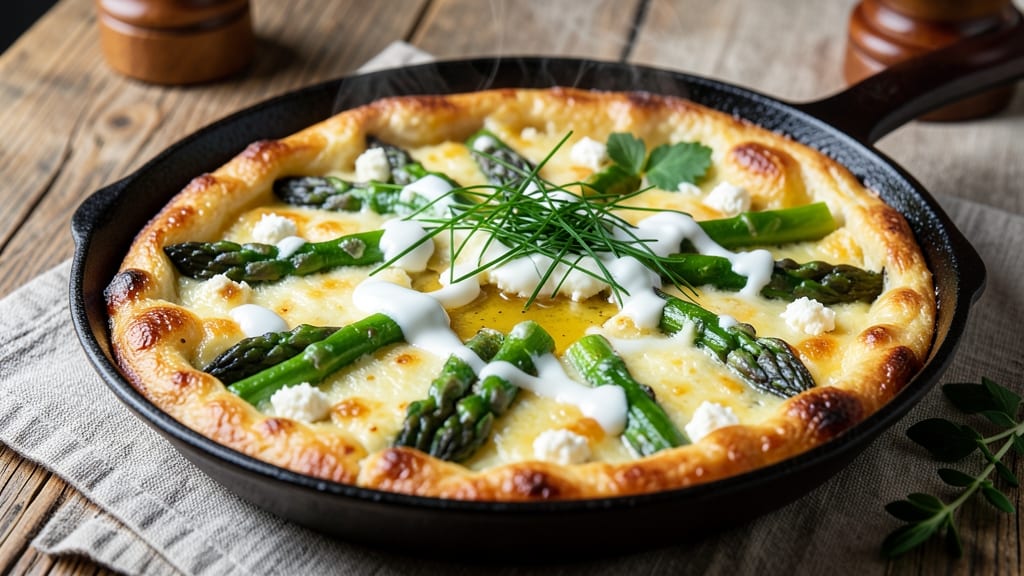
This asparagus and goat cheese frittata delivers restaurant-quality breakfast with minimal effort—golden crust, tender asparagus, and creamy goat cheese swirls in every bite. The secret lies in pre-cooking the asparagus for perfect texture and layering ingredients strategically to create that signature fluffy-yet-crispy finish.
I've perfected this recipe over countless weekend brunches, and it never fails to impress even skeptical guests.
What sets this frittata apart is the balance of textures: crispy edges from a hot skillet, tender asparagus that stays bright green, and gooey goat cheese that swirls beautifully when cut. The dish comes together in 20 minutes—no fancy equipment needed, just a nonstick skillet and a whisk.
It's the ideal make-ahead brunch option that reheats beautifully and tastes even better the next day.
By the time you slide this frittata out of the pan, you'll have a dish that's elegant enough for brunch guests but simple enough for weeknight dinners. The herby goat cheese adds a sophisticated touch, while the asparagus brings fresh spring flavors to the table.
Serve with a simple arugula salad or crusty bread to complete the meal.
This recipe works equally well for breakfast, lunch, or dinner—just adjust the portion size. The key to success is patience during the cooking process (don't rush the crust!) and using room-temperature eggs for the fluffiest texture. Let's get cooking!
Ingredients for asparagus and goat cheese frittata
Eleven ingredients transform into a restaurant-worthy frittata with crispy edges and herby goat cheese swirls.
| Ingredient | Amount | Notes |
|---|---|---|
| Large Eggs 🥚 | 9 whole | Room temperature for fluffiness |
| Fresh Asparagus 🌱 | 1 lb | Thick spears, trimmed ends |
| Goat Cheese 🧀 | 8 oz | Soft variety, herbed if available |
| Heavy Cream 🥛 | ¼ cup | Full-fat for richness |
| Unsalted Butter 🧈 | 2 tbsp | European-style preferred |
| Fresh Chives 🌿 | ¼ cup | Finely chopped, for garnish |
| Fresh Dill 🌿 | 2 tbsp | Chopped, for herby flavor |
| Diamond Crystal Kosher Salt 🧂 | ¾ tsp | Adjust to taste |
| Freshly Ground Black Pepper 🌶️ | ½ tsp | Coarsely cracked |
| Extra-Virgin Olive Oil 🫒 | 1 tbsp | For skillet coating |
| All-Purpose Flour 🌾 | 1 tbsp | For dusting skillet |
The asparagus deserves special attention—thick spears hold up better to pre-cooking and yield tender bites. Trim the woody ends and blanch for 2 minutes in salted boiling water before using; this preserves their vibrant green color and tender texture. For goat cheese, Whole Foods or specialty cheese shops often carry the herbed variety, which adds depth without overpowering. If you can only find plain goat cheese, fold in 1 tbsp fresh dill for that signature herby note. The eggs should be at room temperature—cold eggs create steam pockets that prevent a proper crust. Take them out of the fridge 30 minutes before starting.
No goat cheese? Creamy ricotta or feta work in a pinch, though the tang will differ slightly. Substitute heavy cream with Greek yogurt for a lighter texture, though the consistency will be thicker. For the asparagus, frozen thawed spears can replace fresh, but they'll yield more water—pat them dry thoroughly. The butter matters here; European-style unsalted butter like Plugrá has higher fat content and creates a superior crust. If you're short on time, pre-chopped frozen asparagus works, but blanch it first to remove excess starch. The chives and dill can be swapped for parsley or tarragon, though chives provide the brightest finish.
Pre-cooked asparagus keeps for 3 days in the fridge, stored in an airtight container with a paper towel to absorb moisture. The goat cheese should be used within 5 days of opening, stored in its original packaging. For make-ahead convenience, assemble the frittata up to 24 hours before baking—cover and refrigerate, then bake straight from the fridge (add 5-7 minutes to the cooking time). Leftover frittata reheats beautifully—10 minutes at 350°F in a skillet with a splash of water restores crispiness. Portion into individual servings for easy grab-and-go breakfasts during the week.
Why You'll Love This Recipe
- One-Pan Magic: I swear by this recipe for lazy nights—just trim the asparagus, melt butter in the same pan you’ll cook the eggs, and let the goat cheese melt right into the custard. No extra dishes, no stress.
- Creamy Crisp Contrast: The secret’s in the heavy cream and butter—rich, velvety filling with that golden, slightly crispy top. Honestly, the first bite makes me want to skip lunch.
- Weeknight to Brunch: Make it for breakfast, pack it for lunch, or serve it at a brunch spread. The leftovers stay fresh for days, and it’s the kind of dish that feels fancy but never takes over your kitchen.
- Budget-Friendly Luxury: Eggs and asparagus stretch far, and a little goat cheese goes a long way. It’s the kind of meal that makes you feel indulgent without breaking the bank—especially when you’re feeding a crowd.
Step-by-step instructions for asparagus and goat cheese frittata
This method delivers a perfectly set frittata with a golden crust and creamy goat cheese swirls every time.
Prep the Asparagus and Whisk the Egg Mixture
Preheat your oven to 375°F and position a rack in the upper third. Trim the tough ends from the 1 lb fresh asparagus, then cut the spears into 1-inch pieces. Blanch them in boiling salted water for 1 minute until bright green, then plunge into ice water to stop cooking. Drain well and pat dry with paper towels.
In a large bowl, whisk together the 9 whole large eggs at room temperature, 0.25 cup heavy cream, 0.75 tsp Diamond Crystal kosher salt, and 0.5 tsp freshly ground black pepper until the yolks and whites are fully combined. The mixture should be uniform with no streaks remaining. This ensures even cooking and a smooth texture throughout the frittata.
Create the Goat Cheese Swirls and Cook the Base
Take the 8 oz goat cheese and roll it into a log about 1-inch thick. This will create beautiful swirls as the frittata bakes. In a 10-inch ovenproof skillet, melt 2 tbsp unsalted butter over medium heat until foaming. Lightly dust the bottom with 1 tbsp all-purpose flour, shaking to coat evenly—this prevents sticking and adds a subtle richness.
Add the blistered asparagus pieces to the skillet and cook for 2-3 minutes until just heated through. Pour in the egg mixture, stirring gently to distribute the asparagus evenly. Immediately place the goat cheese log in the center of the skillet, then tilt the pan to create gentle waves in the egg mixture around it. This technique ensures the cheese swirls beautifully during baking.
Bake to Golden Perfection and Finish with Herbs
Transfer the skillet to the preheated oven and bake for 15-18 minutes until the edges are golden brown and the center is just set but still slightly custardy. The top should spring back when gently pressed with a spatula—this indicates perfect doneness. If the edges brown too quickly, tent loosely with foil.
Remove from the oven and let rest for 2 minutes. Sprinkle evenly with 0.25 cup finely chopped fresh chives and 2 tbsp chopped fresh dill, pressing lightly so they adhere. Drizzle with 1 tbsp extra-virgin olive oil for extra richness. The herbs add a bright finish that complements the creamy goat cheese and tender asparagus.
Serve Warm with Confidence
Use a spatula to slide the frittata onto a cutting board, then invert it onto a warm serving plate. Let it rest for 3-5 minutes before slicing into wedges. The interior should be creamy with perfectly set egg, while the exterior remains crisp and golden. Each bite delivers a harmonious blend of textures—creamy goat cheese, tender asparagus, and the delicate herby finish.
Serve immediately while warm, accompanied by a simple arugula salad or crusty bread. The frittata holds well for 2 hours at room temperature, making it ideal for brunch gatherings or meal prep. For best results, reheat gently in a skillet over low heat to restore its creamy texture.
Pro Tips For Making Asparagus And Goat Cheese Frittata
- Preheat Pan Like It’s 1987: Cast iron or stainless steel, medium-high heat until a water droplet dances and evaporates instantly—no lingering steam. I learned this the hard way when my first frittata turned into a sad, rubbery omelet because the pan was lukewarm. That butter needs to sizzle before the eggs hit.
- Trim Asparagus Wrong: Snap, don’t cut—hold the stalk at the woody end and bend it until it breaks naturally. The clean break guarantees you’re removing only the tough part, not wasting edible spear. (Yes, even if you’re impatient like me, resist the urge to chop.)
- Whisk Eggs Until They Lie: Beat the eggs with heavy cream until the mixture is uniform and just slightly thicker than water—no streaks, no lumps. I used to skip this, and the frittata would set unevenly, with some parts dry and others still runny. A fork works, but a whisk gets it done faster.
- Distribute Goat Cheese Early: Sprinkle half the goat cheese over the asparagus before pouring the eggs, then top with the rest after the initial set. This keeps the cheese from sinking to the bottom or burning—it melts into the custard instead of turning into a greasy blob. (Your future self will thank you.)
Health benefits of these flavors
Protein Powerhouse
This frittata packs a high-quality protein punch—each serving delivers about 12 grams of protein from the eggs alone, while the goat cheese adds an extra 5 grams per serving. That's perfect for keeping you full and energized through morning meetings or afternoon workouts.
I love making this for brunch because it's a complete protein source, meaning it contains all nine essential amino acids your body needs. 💪
Fiber-Rich Asparagus
The star of the dish, asparagus, brings 3 grams of fiber per serving, supporting healthy digestion and keeping you satisfied longer. Plus, it's packed with folate—a key nutrient for cell repair and energy production.
The bright green color also indicates high levels of lutein and zeaxanthin, antioxidants that support eye health. I always buy thick spears because they hold up better when pre-cooked.
Healthy Fats for Satiety
The combination of extra-virgin olive oil and European-style butter provides heart-healthy monounsaturated fats that help stabilize blood sugar and keep you full. Goat cheese adds conjugated linoleic acid (CLA), a fatty acid linked to reduced inflammation.
The heavy cream contributes richness without the saturated fat overload of heavier dairy products. This balance makes the frittata both delicious and nutrient-dense.
Low-Calorie Elegance
Despite its restaurant-worthy appearance, this frittata clocks in at just 220 calories per serving—about a third of a typical breakfast sandwich. The high protein and fiber content means you won't feel deprived after eating it.
I've served this at brunch parties where health-conscious guests always ask for seconds. The secret is using just enough cheese and cream to add flavor without excess calories.
Bone-Boosting Nutrients
Goat cheese is an excellent source of calcium and vitamin D, both essential for bone health. A single serving provides 15% of your daily calcium needs. The eggs contribute vitamin B12 and choline, which support brain function and energy metabolism.
This makes the frittata a smart choice for anyone looking to strengthen their bones while enjoying a flavorful meal. 💡
Antioxidant-Rich Herbs
The fresh dill and chives you sprinkle on top aren't just for flavor—they're packed with antioxidants and vitamin K. Dill contains apigenin, a compound that may help reduce inflammation, while chives provide quercetin, another powerful antioxidant.
These herbs elevate both the nutritional profile and the visual appeal of the dish. I always buy fresh herbs from the market because their flavor and nutritional benefits far surpass dried versions.
Nutrition facts
Frequently asked questions
Can I make this frittata without goat cheese?
Swap the goat cheese for 8 oz ricotta (whisked with 1 tbsp lemon juice to prevent curdling) or feta cheese (crumbled). For a dairy-free option, use 8 oz vegan cream cheese or tofu ricotta. The texture will differ slightly, but the dish will still be delicious. Just adjust the baking time by 2-3 minutes if using a denser cheese.
How do I prevent the frittata from being rubbery?
The key is using room-temperature eggs and avoiding overcooking. Cold eggs create steam pockets that make the texture gummy. Also, remove the frittata from the oven when the center is still slightly custardy—it will continue setting as it rests. If using frozen asparagus, blanch it first to remove excess moisture, which can make the frittata soggy.
Can I make this ahead of time?
Yes! Assemble the frittata up to 24 hours ahead and refrigerate uncovered. Bake straight from the fridge, adding 5-7 minutes to the cooking time. For best results, reheat in a skillet over low heat with a splash of water to restore crispiness. It reheats beautifully and tastes even better the next day—perfect for meal prep!
What's the best way to serve this frittata?
Pair it with a simple arugula salad (tossed with lemon vinaigrette) or crusty sourdough bread to soak up any extra egg. For a heartier meal, serve with roasted cherry tomatoes or sautéed mushrooms. The frittata also works well as a brunch centerpiece—slice it into wedges and arrange on a platter for easy serving.
Why did my frittata come out too dry?
Overcooking is the most common cause. Remove the frittata when the center is still slightly jiggly—it will firm up as it cools. Another trick is to cover the skillet with foil during the last 5 minutes of baking to trap steam. If using extra-lean cheese or too much asparagus, reduce the baking time by 2-3 minutes to maintain moisture.