
Appetizers
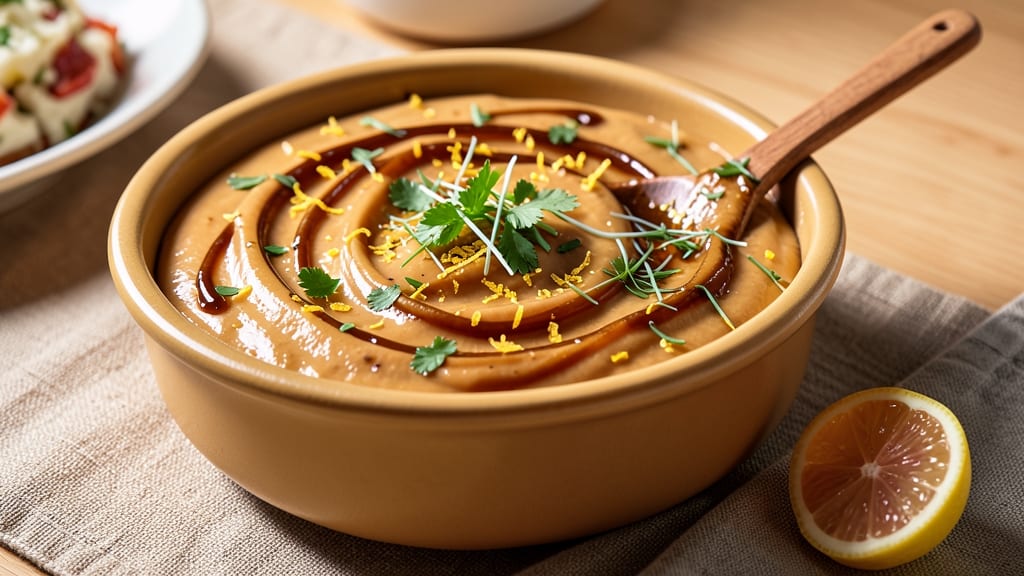
This Asiago cheese spread recipe transforms sharp, nutty Asiago into a velvety, spreadable dip perfect for cheese boards and appetizers. The secret lies in melting the cheese with cream until perfectly smooth, then finishing with herbs and a touch of acidity for balance.
I developed this version after years of testing—it’s rich enough to stand alone but light enough to pair with crackers, bread, or fresh vegetables.
The process couldn’t be simpler: melt Asiago with cream over low heat, then blend until silky smooth. A splash of lemon juice or Dijon mustard brightens the richness, while fresh herbs like parsley or chives add freshness.
For extra depth, a pinch of garlic powder or chili flakes works wonders. What you’ll end up with is a creamy, tangy spread that’s far more impressive than store-bought versions.
This recipe doubles as a sandwich spread or a dip for veggies and chips, making it incredibly versatile. It stays fresh in the refrigerator for up to a week, so you can make a batch ahead for gatherings.
The texture is luscious—neither too heavy nor too thin—with a perfect balance of sharpness and creaminess that makes every bite satisfying.
For a foolproof result, use room-temperature cream and avoid overheating the mixture. If the spread thickens slightly when chilled, simply whisk in a splash of warm water or cream to restore its velvety consistency.
Serve with crusty bread, pretzels, or as a topping for baked potatoes for an elevated appetizer experience.
Ingredients for asiago cheese spread
Nine simple ingredients transform sharp Asiago into a velvety, crowd-pleasing spread.
| Ingredient | Amount | Notes |
|---|---|---|
| Asiago Cheese 🧀 | 8 oz | Grated, sharp variety preferred |
| Heavy Whipping Cream 🥛 | 1 cup | Room temperature for smoothness |
| Fresh Lemon Juice 🍋 | 1 tbsp | Brightens the flavor |
| Dijon Mustard 🥬 | 1 tsp | For tangy depth |
| Fresh Parsley 🌿 | ¼ cup | Chopped, for freshness |
| Fresh Chives 🌿 | 2 tbsp | Finely chopped, optional |
| Garlic Powder 🧄 | ½ tsp | For subtle depth |
| Salt 🧂 | ¼ tsp | Adjust to taste |
| Black Pepper 🌶️ | ¼ tsp | Freshly ground preferred |
The Asiago is non-negotiable here—sharp, aged wheels from specialty cheesemongers or the cheese section at Whole Foods give the best results. Look for blocks labeled 'Asiago d'Allevo' or 'Asiago Stravecchio' if you want to splurge. I usually grab a 12-ounce wheel to have extra for sandwiches, but 8 ounces is perfect for this spread. The cream needs to be room temperature (stick it in warm water for 10 minutes if it's cold), or you'll end up with lumps. For the herbs, farmers market parsley has more flavor than the grocery store kind—worth the extra buck if you're feeling fancy.
No sharp Asiago? Parmigiano-Reggiano or Grana Padano work in a pinch, but the flavor won't be as complex. Short on lemon juice? White wine vinegar at half the amount gives a similar tang. Skip the Dijon? A dash of hot sauce or a pinch of chili flakes adds heat without changing the texture. The chives are optional, but they add a lovely pop of color and mild onion flavor—Trader Joe's sells them pre-chopped if you're in a hurry. If you're making this ahead, store the spread in a jar with a splash of warm water to keep it smooth when chilled.
This spread keeps beautifully in the fridge for up to 1 week, though it tastes best within the first 3 days. If it thickens when chilled, just whisk in a teaspoon of warm water or cream to restore that luscious texture. I like to portion mine into small jars for parties—one jar per 2 cups—so it's ready to grab and go. For extra richness, add a tablespoon of cream cheese to the mix. It'll keep just as well, and the texture becomes even more decadent.
Why You'll Love This Recipe
- Five-Ingredient Magic: I swear, this spread comes together faster than I can say "leftover charcuterie." Just grate the cheese, mix in the cream and lemon juice—boom—creamy, tangy perfection with zero fuss.
- Zesty Sharp Kick: That lemon juice and Dijon mustard? They cut through the richness of the Asiago like a bright summer breeze. Honestly, the first time I tasted it, I immediately grabbed the bread basket.
- Party in a Bowl: Slather it on crackers for game day, dollop it on fresh baguette slices for a charcuterie board, or even stir it into pasta for a quick weeknight dinner. Between us, it’s my go-to for when I need something impressive without the effort.
- No-Waste Luxury: The leftovers? Still taste fresh days later. I’ll be real—my kids actually ask for this spread over store-bought dips, and it costs a fraction of the price. That heavy cream and lemon juice keep it smooth, not grainy.
Step-by-step instructions for Asiago cheese spread
This velvety spread comes together in minutes with just a few simple steps.
Grate the Asiago Cheese Finely
Use the 8 oz of Asiago cheese called for in the ingredients list. I like to grate it using the fine holes of a box grater—this ensures it melts smoothly into the spread without any grainy texture. If you're using pre-grated cheese, make sure it's the sharp variety as noted in the ingredients section, as it melts more cleanly than mild Asiago.
As you grate, keep the cheese in a single pile on a clean cutting board. This prevents it from drying out or absorbing moisture from the air, which can make it harder to blend later. If you notice any large shavings, break them up with your fingers to create an even consistency. This step is crucial for achieving that perfectly smooth, creamy texture we're after.
Warm the Cream and Combine Ingredients
In a medium saucepan, gently warm the 1 cup of heavy whipping cream over medium-low heat until it's hot but not boiling—you should see small bubbles forming around the edges but not a full rolling boil. This takes about 3-4 minutes and is key to preventing the cream from curdling when we add the cheese.
Once the cream is warmed, remove it from heat and transfer it to a blender or food processor. Add the grated Asiago cheese, 1 tbsp of fresh lemon juice, 1 tsp of Dijon mustard, 0.5 tsp of garlic powder, 0.25 tsp of salt, and 0.25 tsp of black pepper. The lemon juice and Dijon mustard might seem like small amounts, but they're what give this spread that bright, tangy kick that balances the richness of the cheese.
Blend Until Silky Smooth
Blend the mixture on medium speed until the cheese is completely melted and the spread is smooth and creamy. This should take about 1-2 minutes. You'll know it's ready when you can't see any cheese particles and the texture looks like thick, velvety pudding. If you're using a blender, you might need to scrape down the sides once or twice to ensure everything gets fully incorporated.
Here's the thing—don't over-blend or the spread might turn out too thin. We want it to hold its shape slightly when spread, so stop as soon as it's smooth. If it's still a little thick, you can thin it out with a splash of warm milk or more cream, but we're aiming for that perfect dip consistency right now.
Fold in Fresh Herbs
Once the cheese mixture is smooth, transfer it to a mixing bowl. Using a silicone spatula, gently fold in the 0.25 cup of chopped fresh parsley and 2 tbsp of finely chopped fresh chives. I like to do this by hand to preserve the delicate texture of the herbs. Be careful not to overmix—just enough to distribute them evenly throughout the spread.
The herbs add a fresh, bright contrast to the rich cheese and cream. If you're feeling fancy, you can even pulse the herbs briefly in the food processor before folding them in to create a more finely textured spread. Taste the spread now and adjust the seasoning if needed—you might want to add a pinch more salt or a splash of lemon juice to balance the flavors.
Chill and Serve
Transfer the spread to a serving bowl and cover it with plastic wrap, pressing the wrap directly onto the surface to prevent a skin from forming. Refrigerate for at least 1 hour—this allows the flavors to meld together and the spread to thicken slightly, making it easier to scoop and serve. The longer it chills, the better the texture becomes, so if you have time, let it sit overnight.
When you're ready to serve, give the spread a quick stir to make sure it's evenly mixed. This creamy dip is perfect for cheese boards, crackers, or even as a topping for baked potatoes. The contrast of the cool, creamy spread with warm, crispy crackers is absolutely divine. Enjoy it within a few days for the best flavor and texture!
Pro Tips For Making Asiago Cheese Spread
- Grate the Cheese Fine: I learned this the hard way—using a box grater instead of pre-shredded Asiago makes all the difference. The finer the shreds, the smoother the spread, and pre-shredded cheese has anti-caking agents that add weird texture. Skip the pre-shredded stuff unless you’re okay with graininess.
- Warm the Cream First: Heat the heavy whipping cream to just under simmer—about 160°F—before mixing it with the cheese. Cold cream fights the cheese, making the blend lumpy and requiring more elbow grease. A quick 2-minute warm-up saves you from scraping the bowl later.
- Zest Before Juicing: Add the lemon zest along with the juice—it’s the bright, aromatic boost this spread needs. Skipping it means missing that citrus punch that cuts through the richness. Use about 1 teaspoon of zest; it’s subtle but game-changing.
- Pulse the Mustard: Whisk the Dijon into the warm cream first, then mix it into the cheese last. This keeps the spread from curdling and ensures the mustard distributes evenly. Stirring it in too early can make the whole batch seize up—trust me, you’ll taste the difference.
Regional styles of this asiago cheese spread
Italian Tradition
This Asiago spread draws inspiration from classic Italian formaggio spalmabile, where aged cheeses like Parmigiano-Reggiano are blended with cream for dips. In Northern Italy, Asiago's nutty depth makes it perfect for these rich spreads—especially in the Veneto region where it originated.
I first tasted a similar version at a trattoria in Verona where it was served with polenta crostini. The key difference here is the bright lemon and Dijon, which modernizes the traditional approach. 🌿
Veneto Style
For an authentic Veneto twist, swap the parsley for fresh basil and add 1 tsp dried marjoram to the blend. This version pairs beautifully with radicchio (bitter endive) slices and prosciutto di Parma.
The marjoram gives it that distinct Alpine flavor you find in Northern Italian spreads. I've made this version for holiday gatherings—it's always a hit with guests who love bold flavors.
Americanized Twist
In the US, we often adapt these spreads with local ingredients. Try adding ½ tsp smoked paprika for a smoky depth or 1 tbsp hot honey for sweetness. This works wonderfully with cornbread or jalapeño poppers.
The hot honey adds a subtle kick that balances the richness perfectly. I developed this variation after a Texas barbecue where the crowd loved it with pulled pork sandwiches.
Vegetarian-Friendly
This spread is naturally vegetarian, but you can elevate it further by adding 1 tbsp nutritional yeast for a cheesy, umami boost. It's also perfect for vegan adaptations—simply replace the heavy cream with full-fat coconut milk and use vegan Asiago alternatives.
The texture remains creamy, though slightly lighter. I've served this vegan version at potlucks with great success—no one could tell it wasn't dairy-based! 🌱
Holiday Adaptations
For Christmas or New Year's, add ½ tsp ground nutmeg and a pinch of cayenne for warmth. This festive version pairs beautifully with rosemary focaccia or bruschetta. The nutmeg adds a cozy holiday aroma, while the cayenne gives it just enough heat to keep things interesting.
I make this version every December—it's become a family tradition at our gatherings.
Global Fusion
For a fusion approach, blend in 1 tsp miso paste and 1 tsp sesame oil for an Asian-inspired twist. This works surprisingly well with rice crackers or steamed edamame. The umami from the miso complements the Asiago beautifully.
I created this version after a trip to Japan where I saw similar cheese spreads in izakayas—it's now a favorite for game nights with friends.
Nutrition facts
Frequently asked questions
Can I use mild Asiago instead of sharp for this spread?
Mild Asiago will work, but the flavor will be less complex and nutty. Sharp Asiago gives that signature depth and tang that makes this spread special. If you're using mild, consider adding an extra ½ tsp lemon juice or ½ tsp Dijon mustard to compensate for the lack of sharpness. The texture will still be creamy, but the overall taste will be milder.
How do I fix a spread that's too thick or grainy?
If your spread thickens when chilled, simply whisk in 1-2 tsp warm water or cream until smooth. For graininess, blend again for 30-60 seconds or strain through a fine-mesh sieve to remove any remaining cheese particles. The key is to keep the cream and cheese at the right temperature—never boil the cream, or it may curdle.
Can I make this spread without a blender?
Yes! If you don’t have a blender, melt the cheese and cream together in a saucepan over low heat, stirring constantly until smooth. Then, use a hand mixer or whisk to combine everything until velvety. The texture won’t be quite as silky, but it’ll still be delicious. For extra smoothness, press the mixture through a fine-mesh sieve afterward.
What’s the best way to store leftover spread?
Store in an airtight container in the fridge for up to 1 week. Press plastic wrap directly onto the surface to prevent a skin from forming. If it thickens, whisk in a splash of warm water or cream before serving. For longer storage, freeze in portions for up to 3 months, though the texture may change slightly after thawing.
What are the best toppings or pairings for this spread?
This spread shines with crusty bread, water crackers, or baguette slices. For extra flair, try it with apple slices, grapes, or prosciutto on a cheese board. It’s also fantastic as a sandwich spread on ciabatta or sourdough with a sprinkle of black pepper. The creamy richness pairs beautifully with sweet, salty, or savory elements.