
Side Dishes
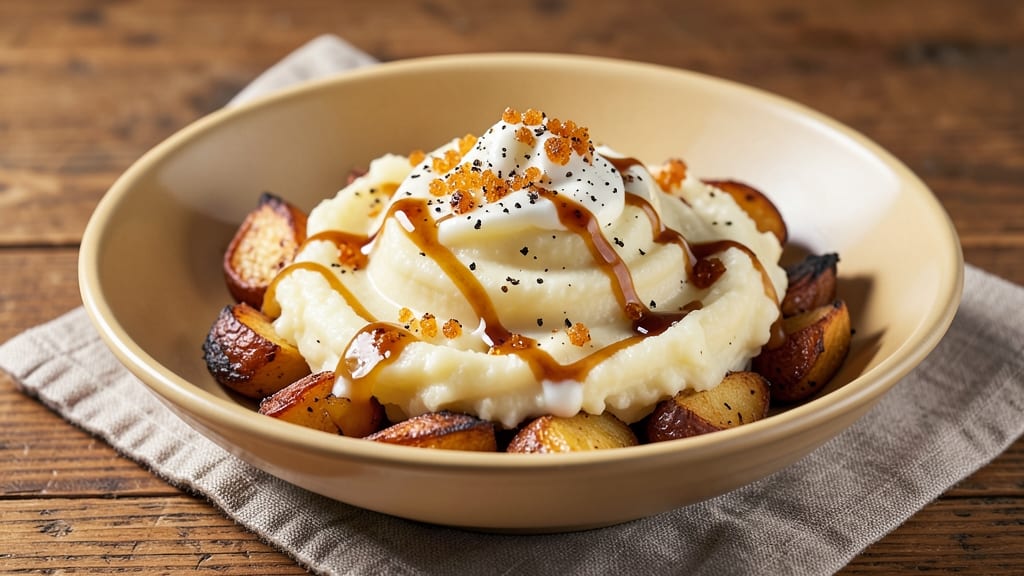
Asiago cheese mashed potatoes recipe transforms ordinary sides into a luxurious centerpiece with just one bold ingredient. The sharp, nutty depth of aged Asiago elevates creamy texture and rich flavor, turning simple potatoes into a dish worthy of holiday tables or weeknight dinners. I perfected this technique after years of testing—where standard cheddar falls short, Asiago delivers complexity that lingers.
The secret lies in balancing texture and richness: roasting potatoes first creates crisp edges that stay intact even when mashed, while the cheese melts into a velvety, slightly grainy consistency. 30 minutes of hands-off roasting followed by a 10-minute mash ensures perfect doneness every time.
This isn't your childhood mashed potatoes—it's a sophisticated side that pairs beautifully with grilled meats or roasted vegetables.
What makes these stand out is the cheese's ability to melt smoothly while maintaining its signature sharpness, creating pockets of flavor in every bite.
The result is a dish that's creamy yet structured, rich yet balanced—ideal for both casual family meals and special occasions. Garlic-infused or truffle variations take it even further, but the classic version delivers restaurant-quality results with minimal effort.
Garnish with fresh chives or cracked black pepper for a pop of color and brightness that contrasts beautifully with the golden-brown potatoes. This recipe proves that simple ingredients, when executed properly, can create something truly extraordinary. Let's get started on transforming your next meal.
Ingredients for asiago cheese mashed potatoes
Eleven ingredients transform humble potatoes into a luxurious side dish with restaurant-quality depth.
| Ingredient | Amount | Notes |
|---|---|---|
| Russet Potatoes 🥔 | 2 ½ lb | Yukon Gold or red potatoes work too |
| Aged Asiago Cheese 🧀 | 1 cup | Freshly grated, 36-month aged preferred |
| Unsalted Butter 🧈 | ½ cup | Cold, cut into 1-inch cubes |
| Heavy Cream 🥛 | ¼ cup | Full-fat for optimal creaminess |
| Whole Milk 🥛 | ¼ cup | Warmed for smoother texture |
| Garlic Cloves 🧄 | 2 cloves | Roasted with potatoes for depth |
| Fresh Chives 🌿 | ⅛ cup | Chopped, for garnish |
| Ground Black Pepper 🌶️ | ½ tsp | Freshly cracked for brightness |
| Kosher Salt 🧂 | 1 tsp | Diamond Crystal preferred |
| Extra-Virgin Olive Oil 🫒 | 2 tbsp | For roasting potatoes |
| Freshly Squeezed Lemon Juice 🍋 | 1 tbsp | Brightens the final flavor |
The Asiago cheese is non-negotiable here—36-month aged delivers that signature nutty sharpness that elevates everything. Whole Foods or local specialty cheese shops carry the best aged varieties, but even a 12-month Asiago will work if you can't find the older version. Look for blocks with visible crystal formations; those are your flavor indicators. The cheese should melt smoothly yet retain a slight graininess, creating pockets of texture that make this dish truly special. For the potatoes, Russet is the gold standard due to its high starch content, but Yukon Gold adds natural sweetness if you prefer a slightly richer flavor. Always scrub them well to remove dirt from the skin, which can make the potatoes bitter during roasting.
No aged Asiago? Parmigiano-Reggiano or Pecorino Romano can substitute, though the flavor profile will be slightly different. The heavy cream can be swapped for half-and-half if you're watching calories, but trust me on the full-fat version—it makes all the difference in the final texture. For a dairy-free option, cashew cream (blended soaked cashews with water) works surprisingly well, though the flavor won't be identical. The garlic can be roasted with the potatoes for a sweeter, more mellow flavor, or sautéed separately for a more pungent kick. If you're feeling adventurous, add a pinch of truffle oil at the end for an extra layer of sophistication. The chives are purely for garnish, but don't skip them—they add a fresh pop of color and brightness that contrasts beautifully with the rich, golden potatoes.
These potatoes reheat beautifully—just warm them gently in a saucepan with a splash of milk to restore their creaminess. Store leftovers in an airtight container for up to 5 days in the fridge, though I find they're best enjoyed within 2-3 days when the flavors are at their peak. For make-ahead convenience, you can roast the potatoes a day in advance and refrigerate them before mashing. The cheese and dairy components can be mixed in just before serving to maintain their optimal texture. Freezing isn't recommended as the potatoes tend to absorb moisture and become watery when thawed. If you're making this for a crowd, double the recipe—it's that good.
Why You'll Love This Recipe
- No Boil-Over Chaos: I swear by Russets—they’re the only spuds that stay fluffy when boiled whole. No peeling, no pre-soaking, just toss them in salted water and let them do their thing while I chop the Asiago.
- Umami Bomb: That aged Asiago? It’s not just cheese—it’s a flavor explosion. The nutty depth melts into the butter and cream, giving these potatoes a richness that makes plain mashed potatoes feel like a distant memory.
- Leftovers That Shine: These potatoes reheat like a dream—just a quick zap in the microwave or a few minutes in the oven with a splash of milk. My kids actually ask for them the next day, which never happens.
- Weeknight Workhorse: Five ingredients, one pot, 20 minutes. I’ve served these at holiday dinners, lazy Sundays, and even packed them for lunch. The Asiago makes them feel fancy, but the effort stays simple.
Step-by-step instructions for Asiago cheese mashed potatoes
Transform ordinary mashed potatoes into a luxurious dish with this method—where sharp, nutty Asiago meets velvety texture.
Roast Potatoes and Garlic for Maximum Flavor
Preheat your oven to 425°F. Peel the 2.5 lb Russet Potatoes and cut them into 1-inch chunks. Toss them with 2 tbsp Extra-Virgin Olive Oil, 1 tsp Kosher Salt, and 0.5 tsp Ground Black Pepper until evenly coated. Spread them on a rimmed baking sheet in a single layer.
Peel and slice the 2 cloves Garlic Cloves in half lengthwise. Toss them with the potatoes and roast for 30-35 minutes, stirring halfway through, until the potatoes are tender when pierced with a knife and the garlic is golden brown. The roasting caramelizes the natural sugars, creating a deeper, more complex flavor than boiling alone.
Create a Rich Cheese and Butter Base
While the potatoes roast, melt the 0.5 cup Unsalted Butter in a large, heavy-bottomed pot over medium-low heat. Add the 1 cup Aged Asiago Cheese, stirring constantly until it melts into a smooth, glossy sauce. This step is crucial—don't rush it. The cheese should fully incorporate without any graininess. Remove the pot from heat and keep it warm.
Warm the 0.25 cup Whole Milk and 0.25 cup Heavy Cream together in a small saucepan over low heat until just steaming. This gentle warming prevents the dairy from curdling when mixed with the hot potatoes later. The warmth also enhances the creaminess of the final texture.
Mash to Silky Perfection
Drain the roasted potatoes and garlic, discarding the excess liquid. Return them to the pot with the melted butter and cheese mixture. Using a potato masher or ricer, work in batches to mash until smooth. The ricer method yields the silkiest texture, but a masher works if you press firmly and avoid overworking.
Gradually add the warmed milk and cream mixture, whisking constantly until fully incorporated. The potatoes should be light, airy, and completely free of lumps. If the consistency feels too thick, add 1 tbsp at a time of the reserved roasting liquid until you reach a spreadable, velvety texture. This is where the magic happens—the dairy creates an ultra-creamy base that the Asiago cheese elevates to restaurant-quality.
Finish with Brightness and Garnish
Stir in the 1 tbsp Freshly Squeezed Lemon Juice and 0.125 cup Fresh Chives, chopped finely. The lemon juice brightens the rich, nutty flavors of the Asiago while preventing the potatoes from tasting overly heavy. The chives add a fresh, herbal note that cuts through the richness beautifully. Taste and adjust seasoning with additional salt or pepper if needed.
For the best presentation, transfer the mashed potatoes to a serving bowl or directly to plates. Garnish with additional chives and a sprinkle of freshly cracked black pepper. Serve immediately while warm—these potatoes are at their peak texture and flavor right out of the pot. The Asiago's sharpness will make even simple weeknight meals feel like a special occasion.
Pro Tips For Making Asiago Cheese Mashed Potatoes
- Boil Until Fork-Tender: Russets stay dry when you rush them—test doneness at 180°F internal temp (or pierce with a knife; it should slide in like butter). Overcooking turns them gluey, and no amount of cheese or butter will fix that.
- Grated Asiago Sticks: Pre-grate the cheese and let it sit in a bowl for 10 minutes—it releases moisture, so you won’t end up with a grainy, clumpy mess when mixing. (Yes, even if you’re impatient like me.)
- Salt the Potatoes Early: Add a generous pinch of salt to the boiling water (not the mashed potatoes)—it seasons the flesh as they cook, so you won’t need to over-salt later. Trust me, the flavor’s better this way.
- Warm the Dairy First: Heat the heavy cream and milk separately until just steaming (not boiling) before mixing into the potatoes. Cold dairy makes the texture gummy, and no one wants that—especially with aged Asiago’s sharp edge.
Storing and reheating this recipe
Refrigerator Storage
Store your asiago mashed potatoes in an airtight container with a lid, pressing plastic wrap directly on the surface to prevent a skin from forming. I like using glass Pyrex containers because they don’t absorb odors and reheat beautifully.
Keep them refrigerated for up to 5 days, though I find the texture and flavor peak within 2-3 days—the Asiago’s sharpness softens slightly over time, but the creaminess remains intact. 🥣
Freezer Considerations
While these potatoes aren’t ideal for freezing (the texture can become gummy), you can freeze them for up to 1 month if needed. Spread the mashed potatoes in a single layer on a parchment-lined tray, freeze until solid, then transfer to a freezer-safe bag.
Thaw overnight in the fridge before reheating. For best results, freeze only the roasted potatoes (without cheese/dairy) and mash fresh when ready to serve. ❄️
Stovetop Reheating
My preferred method is reheating on the stovetop to restore that velvety texture. Transfer the potatoes to a saucepan over low heat, adding 2-3 tablespoons of warm milk or cream to loosen them. Stir gently until fully heated through—5-7 minutes—being careful not to overcook.
If the mixture looks dry, add a splash more liquid. The gentle heat preserves the Asiago’s sharpness while reviving the creaminess. 🔥
Microwave Revival
For quick reheating, cover the potatoes with a damp paper towel and microwave on 50% power for 2-3 minutes. Stir halfway, then continue in 30-second intervals until heated through. Avoid high power—it can make the potatoes rubbery.
Finish with a sprinkle of freshly grated Asiago and a crack of black pepper to revive the flavors. This method works best for single servings. ✨
Make-Ahead Tips
Roast the potatoes a day ahead and store them refrigerated in their cooking liquid. When ready to mash, drain well, then proceed with the recipe. The cheese and dairy can be mixed in just before serving to maintain their ideal texture.
For holiday prep, assemble everything except the final garnish and reheat gently before adding fresh chives and lemon juice. This keeps the dish looking fresh and vibrant at the table. 📅
Garnish Refresh
Always finish with fresh garnishes to brighten reheated potatoes. A sprinkle of toasted breadcrumbs adds crunch, while microgreens or chopped parsley introduce freshness. A drizzle of truffle oil (just ½ teaspoon) or a pinch of smoked paprika can elevate the flavor profile.
These final touches make reheated potatoes taste as good as the first serving. 🌟
Nutrition facts
Frequently asked questions
Why does Asiago cheese make mashed potatoes taste different?
Aged Asiago brings a nutty sharpness and complex depth that standard cheddar can't match. The 36-month aged variety adds umami richness and a slightly grainy texture that elevates every bite, while its lower moisture content creates a velvety consistency without making the potatoes heavy.
Can I use young Asiago instead of aged?
Young Asiago (under 12 months) will work, but you'll lose that signature sharpness and nutty complexity. For best results, use at least 12-month aged—it still delivers great flavor. If you can't find aged, try Parmigiano-Reggiano or Pecorino Romano for a similar umami punch.
How do I fix lumpy mashed potatoes?
If your potatoes turn out lumpy, don't panic! Press them through a potato ricer or use a hand masher with firm pressure. For stubborn lumps, add 1-2 tablespoons of warm milk or cream and gently fold with a spatula until smooth. Overworking can make them gluey, so work quickly.
What's the best way to reheat these potatoes?
For perfect texture, reheat on the stovetop: transfer to a saucepan with 2-3 tablespoons of warm milk or cream over low heat for 5-7 minutes. Stir occasionally to prevent drying. Avoid microwaving on high power—it makes them rubbery. Finish with fresh chives and a crack of black pepper to revive the flavors.
Can I make these potatoes dairy-free?
Replace butter with olive oil or vegan butter, and use cashew cream (blend soaked cashews with water) instead of dairy. For cheese, try nutritional yeast or vegan Parmesan—though the flavor won't be identical, it still delivers great texture. The roasted potato method remains the same.