
Appetizers
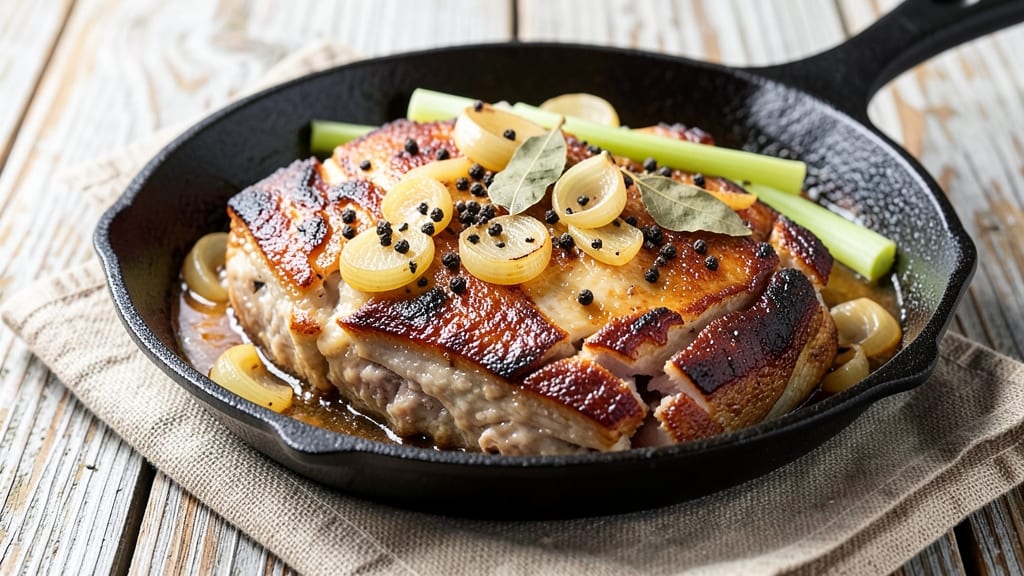
This Amish head cheese recipe transforms humble pork into a rich, spiced loaf that’s been a staple in Pennsylvania Dutch kitchens for generations. The process—rendering fat, clarifying broth, and setting gelatin—yields a tender, flavorful centerpiece perfect for holidays or potlucks. My version preserves tradition while simplifying steps for modern cooks.
What makes this dish special is its foolproof technique: simmering pork slowly to extract collagen, straining for a crystal-clear broth, and chilling until firm. The result?
A savory, gelatinous loaf studded with vegetables and herbs, served in thin slices. It’s hearty enough for a main course but elegant enough for appetizers.
The key to success lies in patience—allowing the broth to cool gradually and the mold to set undisturbed. Traditional recipes often include liver or cracklings, but this version keeps it simple with onions, celery, and black pepper for depth.
The texture is creamy yet firm, with a flavor that’s both nostalgic and refined.
Perfect for preserving meat through winter or gifting at gatherings, this recipe honors Amish heritage while adapting to today’s kitchens. Let’s walk through the steps to create this time-honored masterpiece—where every bite tells a story.
Ingredients for amish head cheese
Sixteen ingredients transform humble pork into a Pennsylvania Dutch masterpiece of savory tradition.
| Ingredient | Amount | Notes |
|---|---|---|
| Pork Shoulder (Bone-In) 🐖 | 4 lb | Cut into 1-inch chunks, skin removed |
| Yellow Onions 🧅 | 2 whole | Medium, quartered, skins on |
| Celery Stalks 🧅 | 4 whole | Trimmed, cut into 1-inch pieces |
| Fresh Black Peppercorns 🌶️ | 1 tbsp | Crushed, not ground |
| Bay Leaves 🍃 | 2 whole | Dried, standard size |
| Salt 🧂 | 2 tsp | Kosher or sea salt, coarse |
| Allspice Berries 🌿 | 1 tsp | Crushed, whole berries preferred |
| Fresh Parsley 🌿 | ¼ cup | Stems removed, chopped |
| Unsalted Butter 🧈 | ½ cup | Cold, cubed for rendering |
| Heavy Cream 🥛 | 1 cup | Whole milk fat content |
| Vegetable Broth 💧 | 4 cups | Low-sodium preferred |
| Granulated Sugar 🍚 | 1 tbsp | For balancing flavors |
| Apple Cider Vinegar 🍏 | 1 tbsp | For broth acidity |
| Unflavored Gelatin 🧪 | 2 tbsp | Powdered, for setting |
| Pork Rinds 🥓 | ½ cup | Crushed, for texture |
The pork shoulder is non-negotiable—bone-in yields richer gelatin and deeper flavor. Local butchers often carry it pre-cut, but if buying whole, ask for a well-marbled cut from the upper shoulder. The onions and celery form the aromatic base; Trader Joe's sells pre-chopped mirepoix that saves time without sacrificing quality. For the black peppercorns, Penzeys Spices sells whole berries that crush beautifully—avoid pre-ground powder, which loses potency quickly. The allspice is traditional but optional; if unavailable, cinnamon at half the amount** works as a substitute.
No heavy cream? Full-fat coconut milk delivers similar richness, though the texture will differ slightly. The gelatin requires careful measurement—Great Lakes Gelatin is a reliable brand for consistent setting. For the pork rinds, Arm & Hammer or Planters varieties work best when crushed into fine crumbs. The apple cider vinegar isn't just for acidity—it helps clarify the broth by breaking down proteins. If you're making this ahead, prep the broth first** and refrigerate it overnight to skim off fat before proceeding.
This loaf improves with time—48 hours in the fridge lets the gelatin set fully for clean slices. For long-term storage, vacuum-seal portions and freeze for up to 3 months. The pork rinds can be toasted in a dry pan for 2 minutes before adding to enhance their crunch. Serve chilled with pickled vegetables or crusty bread—traditionally, it was a winter staple, so think of it as a savory, protein-rich centerpiece** for gatherings. Leftovers reheat beautifully when warmed gently in broth.
Why You'll Love This Recipe
- One-Pot Magic: I swear by this recipe because it’s all in one pot—no chopping boards, no extra bowls. The pork shoulder cooks down while the onions and celery mingle into that rich, savory broth, and honestly? That’s half the battle won before you even taste it.
- Deep, Savory Soul: The bone-in pork shoulder melts into something tender and rich, while the black peppercorns and bay leaves add this earthy, aromatic punch. It’s not just flavor—it’s comfort in a jar, the kind that makes you want to eat it straight from the pot.
- Weeknight Workhorse: Between us, this is my go-to for potlucks, church dinners, or when I’m too tired to plan. Serve it chilled with crackers for a fancy spread, or warm it up with a side of bread—it’s that reliable. (Yes, even on a Tuesday night.)
- Budget-Friendly Feast: Pork shoulder is cheap, and this recipe stretches it into so much more. I make a big batch, slice it thin, and it feeds my family for days—no waste, no stress. Plus, the leftovers? Even better the next day, if you can believe it.
Step-by-step instructions for spiced pork and vegetable loaf
Transform humble ingredients into a rich, gelatinous masterpiece with this traditional Amish technique.
Prepare the Pork and Aromatics
Cut the 4 lb pork shoulder into 1-inch chunks, removing any remaining skin. In a large Dutch oven, combine the pork with the 2 whole quartered yellow onions, 4 whole celery stalks, 1 tbsp crushed fresh black peppercorns, 2 whole bay leaves, 2 tsp salt, and 1 tsp crushed allspice berries. This aromatic blend forms the flavor foundation.
Cover the pork and vegetables with 4 cups vegetable broth, ensuring everything is submerged. Bring to a gentle simmer over medium heat, then reduce to low heat and cook uncovered for 1 hour 30 minutes, stirring occasionally. The pork should become fork-tender and the broth reduced by about one-third. This slow cooking extracts maximum flavor from the bones and vegetables.
Strain and Render the Butter
Line a fine-mesh strainer with cheesecloth and strain the pork mixture, pressing gently to extract all liquid. Discard the solids or reserve for other uses. In a separate skillet, melt the 0.5 cup unsalted butter over medium heat until it foams but doesn't brown. Remove from heat and let cool slightly.
While the butter cools, whisk together the 1 cup heavy cream, 1 tbsp granulated sugar, and 1 tbsp apple cider vinegar in a separate bowl. The sugar balances the acidity, while the vinegar adds brightness to the finished loaf. The butter will later emulsify with this mixture to create a velvety texture.
Combine and Set the Gelatin
Return the strained pork mixture to the Dutch oven and stir in the cooled butter mixture. Add the 0.5 cup crushed pork rinds and 0.25 cup chopped fresh parsley, distributing evenly. Bring the mixture to a gentle boil over medium-high heat, stirring constantly for 5 minutes to fully incorporate the gelatin.
Remove from heat and let cool to room temperature (about 30 minutes). The mixture should thicken noticeably as it cools. For a firmer texture, chill in an ice bath while stirring occasionally. This step is critical—proper cooling ensures the gelatin sets properly without becoming grainy.
Shape and Chill the Loaf
Transfer the cooled mixture to a greased 9x5-inch loaf pan or a similar mold. Smooth the top with a spatula, then cover tightly with plastic wrap pressed directly against the surface. Refrigerate for at least 8 hours, preferably overnight, until completely firm.
The loaf should release cleanly from the pan when ready. For serving, slice into ½-inch thick portions. The texture should be firm yet tender, with a rich, spiced pork flavor complemented by the crisp pork rinds and fresh parsley. Serve chilled with mustard or on a crisp salad for a traditional Amish presentation.
Pro Tips For Making Amish Head Cheese
- Brown the Shoulder First: Don’t just toss that pork shoulder into the pot raw—sear it bone-side down in a hot Dutch oven for 8-10 minutes until deep golden. I learned this the hard way: skipping this step means a head cheese that’s pale, bland, and lacks that rich, caramelized depth. The bones will release more flavor into the broth, too.
- Dice Onions and Celery Small: Cut those onions and celery into ¼-inch pieces, not big chunks. Too many cooks leave them too large, and they’ll sit like rocks in the finished dish. Small dice ensures even cooking and a smoother texture—no one wants a surprise crunch when they’re slicing.
- Don’t Rush the Low Simmer: After adding the broth, keep the heat at a gentle simmer—no rolling boil. I used to crank it up to save time, but that turns the broth cloudy and makes the pork tough. A steady, barely-bubbling simmer (about 160°F) keeps everything tender and the broth clear.
- Strain the Broth Twice: First strain through a fine-mesh sieve to catch big bits, then strain again through cheesecloth for a silky-smooth result. Yes, it’s extra work, but the difference in texture is night and day—no one wants a head cheese with gritty surprises. (Save the strained solids for stock.)
Serving suggestions for leftovers
Classic Amish Serving Style
Serve your head cheese in ½-inch thick slices on a chilled platter, arranged like a rustic loaf. The Amish tradition pairs it with homemade mustard (like Schmecker’s German Mustard) or a simple vinegar-based slaw made from shredded cabbage, carrot, and a splash of apple cider vinegar.
I like to arrange slices on a wooden board with crusty sourdough bread for dipping—it’s hearty and perfect for gatherings. 🧀
Holiday Centerpiece
Transform your head cheese into a festive centerpiece by wrapping the loaf in bacon slices before baking. Secure with toothpicks and bake at 375°F for 15 minutes until the bacon crisps.
Garnish with fresh rosemary sprigs and serve at Thanksgiving or Christmas. The smoky bacon adds a modern twist while keeping the dish traditional. 🎄
Chilled Appetizer Platter
For a sophisticated appetizer, slice the head cheese into ½-inch thick rounds and arrange on a platter with pickled vegetables (like dill pickles or beet pickles) and crusty crackers.
Drizzle with honey mustard (mix 2 tbsp Dijon mustard with 1 tbsp honey) for a sweet-savory contrast. This makes a stunning first course for dinner parties. 🍽️
Sandwich Spread
Use thick slices of head cheese as a meat spread for sandwiches. Toast sourdough or rye bread, spread with cream cheese, and top with head cheese slices. Add thinly sliced cucumbers and arugula for a Pennsylvania Dutch-inspired open-faced sandwich. It’s a great way to use leftovers creatively! 🥪
Winter Comfort Food
Pair your head cheese with roasted root vegetables (like carrots, parsnips, and sweet potatoes) tossed in olive oil, salt, and thyme, then roasted at 400°F for 30 minutes.
The warm, caramelized veggies contrast beautifully with the cool, rich head cheese. Serve with a sparkling apple cider for a cozy winter meal. ❄️
Gifting Tradition
Wrap individual slices in parchment paper and tie with twine for a homemade gift. Include a small jar of homemade mustard or apple butter for a complete Pennsylvania Dutch-inspired package. This makes a thoughtful gift for holidays or housewarming parties—your friends will love the nostalgic touch! 🎁
Nutrition facts
Frequently asked questions
What's the difference between Amish head cheese and regular head cheese?
Traditional Amish head cheese uses the entire pork head (or shoulder) for maximum gelatin extraction, creating a richer, more gelatinous texture. The recipe also emphasizes slow-simmered aromatics like onions and celery, plus traditional spices such as allspice and black peppercorns. Regular head cheese often substitutes gelatin powder and may include liver or other offal.
Can I make this without gelatin?
Yes, but the texture will be different. Replace the 2 tbsp gelatin with 4 tbsp unflavored powdered pectin (like Sure-Jell) or 1 tbsp agar-agar. The result will be firmer but less jiggly. For a gelatin-free version, increase the pork cooking time to 3 hours to extract more natural collagen from the bones.
How do I know when the gelatin is set properly?
The mixture should be completely firm when gently touched—no wobble at the edges. If it's still jiggly after 8 hours, return it to the fridge for 2-4 more hours. For testing, insert a toothpick: if it comes out clean with no liquid, it's ready. Pro tip: Chill in an ice bath for 20 minutes before final refrigeration to speed up setting.
What can I do with leftover head cheese?
Slice into ½-inch rounds and use as a sandwich spread with cream cheese, or cube and add to soups/stews for extra richness. For a quick appetizer, arrange on crackers with mustard and pickles. Leftovers freeze beautifully for up to 3 months—thaw overnight in the fridge before reheating gently in broth.
Why does my head cheese have a grayish tint?
This happens when pork myoglobin (natural pigments) oxidizes during cooking. To prevent it, keep the broth covered while simmering and strain through cheesecloth immediately. For a lighter color, add 1 tsp lemon juice to the final mixture before chilling. The gray tint doesn't affect flavor—it's just a sign of proper pork reduction!