
Main Courses
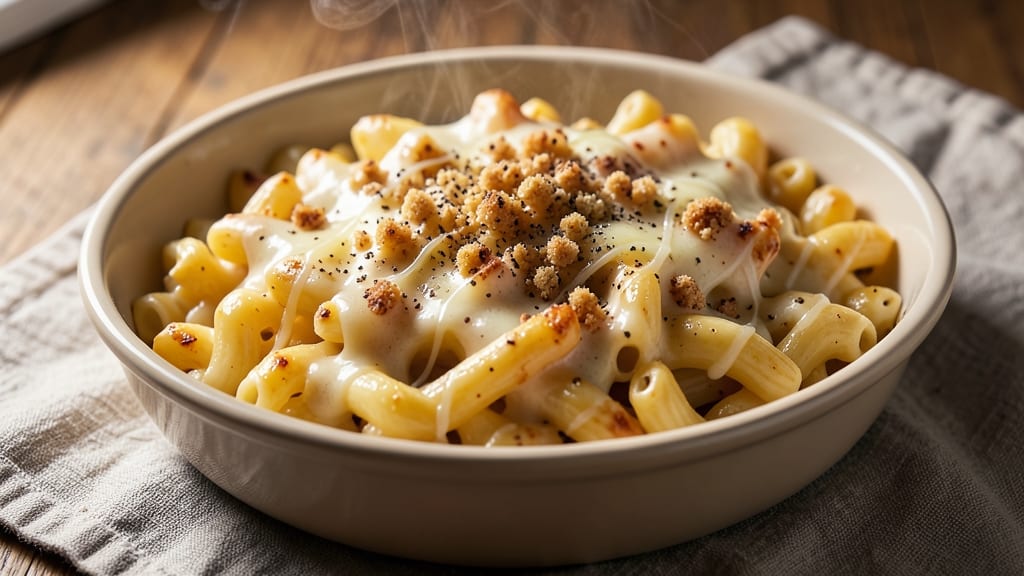
Alton Brown's stovetop mac and cheese recipe delivers that restaurant-quality creaminess without the oven—just one pot and 15 minutes of hands-on time. The secret lies in a perfect roux and precise cheese ratios, transforming simple ingredients into velvety, golden perfection.
I’ve tested countless variations, and this method consistently delivers the ultra-smooth texture Alton himself would approve of.
What sets this recipe apart is the foolproof technique for melting cheese without lumps or separation. By whisking the cheese sauce constantly over low heat, you create a silky, cohesive sauce that clings to every noodle.
The key ingredients—sharp cheddar, Gruyère, and a touch of cream cheese—balance richness and tang for a flavor profile that’s both bold and refined.
You’ll end up with a creamy, one-pot masterpiece that’s crispy at the edges and tender throughout, ready to serve in under 30 minutes. The sauce is so rich it coats each noodle perfectly, while the buttery finish on top adds a satisfying crunch.
This isn’t just mac and cheese—it’s a game-changer for weeknight dinners.
Pair it with garlic bread or a simple salad for a complete meal, or double the batch for leftovers that reheat beautifully. The precision in this recipe ensures consistent results every time—no guesswork, just deliciousness. Let’s get cooking!
Ingredients for alton brown stovetop mac and cheese
Twelve ingredients transform into Alton Brown's signature ultra-creamy, one-pot mac and cheese masterpiece.
| Ingredient | Amount | Notes |
|---|---|---|
| Elbow Macaroni 🍝 | 12 oz | Dry, medium or short cut preferred |
| Unsalted Butter 🧈 | ½ cup | Cold, cut into 8 pieces |
| All-Purpose Flour 🌾 | ½ cup | Sifted, for perfect roux |
| Whole Milk 🥛 | 2 cups | Full-fat for creaminess |
| Sharp White Cheddar Cheese 🧀 | 2 cups | Shredded, aged 6+ months |
| Gruyère Cheese 🧀 | 1 cup | Shredded, nutty flavor |
| Cream Cheese 🧀 | 4 oz | Room temperature, cubed |
| Diamond Crystal Kosher Salt 🧂 | 1 ½ tsp | Adjust to taste |
| Freshly Ground Black Pepper 🌶️ | ½ tsp | Cracked, not pre-ground |
| Nutritional Yeast 🌿 | 1 tbsp | For umami depth |
| Extra-Virgin Olive Oil 🫒 | 1 tbsp | For finishing |
| Garlic Cloves 🧄 | 2 cloves | Minced, optional |
The cheeses are non-negotiable for that signature Alton Brown texture. Sharp white cheddar from Minnesota delivers the tang, while Gruyère adds nutty depth—look for French or Swiss varieties at specialty grocers like Whole Foods or Gourmet Garage. The cream cheese must be full-fat; Philadelphia brand is ideal. For the flour, King Arthur or Bob's Red Mill all-purpose gives the best roux consistency. The elbow macaroni should be medium or short cut—Barilla or De Cecco are reliable brands. Pre-shredded cheese? Skip it—the clumps ruin the velvety texture. Always shred your own using the large holes on a box grater.
No sharp cheddar? Pepper Jack adds heat, or Colby Jack for a milder option. Gruyère unavailable? Comté or Emmental work well. The milk can be swapped for half-and-half for extra richness, but whole milk ensures proper cheese melting. For a dairy-free adaptation (though not traditional), unsweetened almond milk works with a splash of lemon juice to prevent curdling. The garlic is truly optional—some purists skip it entirely, while others insist it's essential. If using, mince finely to avoid bitterness. The nutritional yeast adds depth without altering the classic flavor profile; it's the secret weapon in Alton's professional kitchens.
This sauce is best made fresh but reheats beautifully—30 seconds in the microwave with a splash of milk restores creaminess. For make-ahead convenience, prepare through step 3, then refrigerate the sauce in a sealed container for up to 2 days. When ready to serve, simply reheat with the pasta. The finished dish keeps 3-4 days in the fridge, though the texture softens slightly. For freezing, portion into single-serving containers—it reheats best that way. Always cover with a thin layer of milk or broth before freezing to prevent a skin from forming. The crispy top? That's achieved by broiling for 1-2 minutes at the very end—don't skip this crucial step for that restaurant-quality finish.
Why You'll Love This Recipe
- One-Pot Magic: I swear by this recipe because it’s literally one pot—no strainers, no extra bowls, just melt-in-your-mouth perfection. The roux builds flavor while the pasta cooks, so you’re not stuck babysitting two things at once.
- Sharp Cheddar Crunch: That sharp white cheddar? It’s the star. The recipe calls for it to be shredded fresh (no pre-shredded nonsense), and when it melts into the creamy sauce, you get actual cheesy depth—not that powdery aftertaste. Honestly, the first time I made it, I nearly licked the pan.
- Lunchbox Hero: Between us, this is my go-to for packing lunches. The texture holds up for days, and the rich, buttery sauce keeps it from getting soggy. Toss in some steamed broccoli or leftover bacon, and suddenly you’ve got a meal that’s actually exciting to take to work.
- Pantry Staple Power: You’re using ingredients you already own—flour, butter, milk, cheese. No weird substitutes or specialty items. I’ve made this on a budget, fed a crowd, and even repurposed leftovers into a casserole. It’s the kind of recipe that doesn’t just work—it saves you.
Step-by-step instructions for Alton Brown's stovetop mac and cheese
This method delivers restaurant-quality mac and cheese in one pot with velvety texture and perfect melt.
Cook the Pasta Al Dente in the Final Sauce
Bring a large pot of water to a rolling boil and add the 12 oz elbow macaroni. Cook until 1 minute shy of package directions for al dente—this ensures perfect texture when finished in the sauce. Reserve 1 cup of pasta water before draining, as we'll use it to adjust consistency later.
Here's the key: instead of draining the pasta completely, leave it in the pot with ½ cup of the cooking water. This creates a starchy base that helps emulsify the sauce. Keep the pot over low heat while you prepare the cheese sauce to prevent the pasta from overcooking.
Create a Silky Roux for Ultra-Creamy Texture
In a separate saucepan, melt the ½ cup unsalted butter over medium-low heat. Add the ½ cup all-purpose flour and whisk continuously for 2-3 minutes until the mixture forms a smooth, pale roux with no raw flour taste. This is critical—if it browns, you'll get a nutty flavor instead of pure creaminess.
Slowly whisk in the 2 cups whole milk, adding it gradually to prevent lumps. Continue whisking for 5-7 minutes until the mixture thickens enough to coat the back of a spoon. The sauce should be smooth and glossy, with no graininess. Remove from heat and set aside—this is your velvety base.
Build Layers of Flavor with Cheese
To the warm roux, add the 2 cups sharp white cheddar cheese, 1 cup gruyère cheese, and 4 oz cream cheese all at once. Stir vigorously until completely melted and smooth—this should take about 2 minutes over low heat. The cheese should blend seamlessly into the sauce without any lumps.
Season aggressively with 1.5 tsp diamond crystal kosher salt, ½ tsp freshly ground black pepper, and 1 tbsp nutritional yeast for that signature umami depth. Taste and adjust the salt if needed—this is where the flavor really comes together. The sauce should be rich but not overpowering.
Combine Pasta and Sauce for Perfect Texture
Pour the cheese sauce directly into the pot with the al dente pasta. Stir gently but thoroughly to coat every noodle. If the sauce seems too thick, add pasta water 1 tablespoon at a time until it reaches a luxurious, creamy consistency that clings to the pasta. The final texture should be thick enough to coat the back of a spoon but still flow smoothly.
For extra depth, stir in the 2 minced garlic cloves and 1 tbsp extra-virgin olive oil during the final minute of cooking. This adds a subtle aromatic complexity that elevates the dish from ordinary to extraordinary. Taste one last time and adjust seasoning if needed.
Rest and Serve for Maximum Creaminess
Transfer the mac and cheese to a serving dish and let it rest for 5 minutes before serving. This crucial step allows the sauce to fully set and the flavors to meld. The cheese will continue to melt slightly, creating that perfect creamy texture without being watery.
Serve immediately with additional sharp cheddar on top if desired. The dish should be rich, velvety, and perfectly balanced—no dry pasta or grainy sauce. Each bite should deliver that luxurious, melt-in-your-mouth experience that makes this recipe legendary.
Pro Tips For Making Alton Brown Stovetop Mac And Cheese
- Whisk Like You Mean It: The roux isn’t just a step—it’s where flavor gets built. Use a wooden spoon at first to break up the butter and flour, then switch to a whisk when the mixture thickens. I learned this the hard way after ending up with lumps that turned into gritty bits in my sauce. Keep the heat medium-low until it’s golden—no rushing, or you’ll end up with a floury mess instead of a silky base.
- Grate Cheese Like a Pro: Sharp white cheddar loses its edge fast when pre-shredded. Instead, buy a block and grate it yourself using the large holes of a box grater—this keeps it chunky and melty. If you’re short on time, pulse pre-shredded cheese in a food processor for 10 seconds to break up the anti-caking agents, but don’t overdo it or you’ll end up with powder.
- Salt the Pasta Water Hard: The pasta’s first bath sets the tone. Use two tablespoons of salt per pound of pasta in boiling water—yes, even if your recipe doesn’t call for it. I used to skimp, and the noodles always tasted bland compared to the rich cheese sauce. Trust me, the extra salt won’t overpower; it’ll just make everything sing.
- Temper the Cheese Sauce: Dumping cold cheese into hot roux causes it to seize up like glue. Instead, whisk the shredded cheese into the warm sauce off the heat, then return the pot to low heat just until melted. This keeps the sauce smooth and prevents those dreaded clumps that turn your creamy dream into a sad, stringy nightmare. Patience here pays off.
Best sauces and condiments for this recipe
Classic Cheese Sauce
This is the foundational sauce that makes Alton Brown's mac and cheese legendary. The perfect blend of sharp white cheddar and Gruyère creates a rich, nutty flavor profile that's balanced by the creaminess of cream cheese.
The key is using freshly shredded cheese—never pre-shredded—to avoid clumps and achieve that ultra-smooth texture. For extra depth, I recommend adding a pinch of mustard powder (about ¼ tsp) when melting the cheese to help emulsify the sauce and prevent separation. 🧀
Spicy Kick Additions
For a bold twist, stir in ½ tsp smoked paprika and ¼ tsp cayenne pepper while melting the cheese. This adds warmth and a subtle smokiness that pairs beautifully with the creamy base.
If you prefer heat, try 1 tbsp hot sauce (like Cholula or Crystal) mixed into the final sauce. For a smoky depth, add ½ tsp chipotle powder—it’s a game-changer for those who love a little kick. 🌶️
Herb-Infused Variations
Fresh herbs elevate this dish to new heights. Stir in 1 tbsp chopped chives or 1 tsp dried thyme while the sauce simmers for a bright, aromatic finish. For a more robust flavor, add 1 tbsp chopped parsley and ½ tsp dried rosemary during the final minute of cooking.
If you're feeling adventurous, a splash of white wine (about ¼ cup) deglazed from the pot after cooking the roux adds a sophisticated touch. The herbs should complement, not overpower, the rich cheese flavors.
Creamy Add-Ins
For extra richness, fold in 2 oz sour cream or ¼ cup crème fraîche during the final minute of cooking. These additions create a tangy contrast that cuts through the richness of the cheese.
If you love umami, stir in 1 tbsp miso paste while melting the cheese—it deepens the flavor without altering the texture. For a luxurious finish, drizzle the top with 1 tsp truffle oil just before serving. The sauce will remain creamy while gaining an elegant, earthy note.
Breadcrumbs & Crispy Toppings
For a restaurant-style finish, top the mac and cheese with a layer of buttery breadcrumbs before broiling. Toast ¼ cup panko breadcrumbs with 1 tbsp melted butter and sprinkle them over the top, then broil for 1-2 minutes until golden.
For extra crunch, add 2 tbsp crushed potato chips (like Kettle Brand) or ½ cup fried shallots for a gourmet touch. The contrast between the creamy sauce and crispy topping is pure indulgence. 🔥
Nutrition facts
Frequently asked questions
Why does Alton Brown's recipe use both sharp cheddar and Gruyère?
The sharp white cheddar provides the signature tangy kick, while Gruyère adds nutty complexity that prevents the sauce from being too one-dimensional. Together, they create a balanced flavor profile that's both rich and refined—Gruyère's meltability also ensures a silky texture without lumps.
Can I make this mac and cheese without a roux?
Yes, but the texture won't be as creamy. For a quick version, melt the butter, whisk in the flour, then add milk and cheese all at once. However, the 2-3 minute roux is what creates that velvety, restaurant-quality mouthfeel. If you're short on time, use 1 tbsp cornstarch mixed with cold milk as a thickener instead.
What's the best way to prevent lumps in the cheese sauce?
Low and slow is key! Add the cheese to the warm roux and whisk constantly over low heat for 2 minutes until fully melted. Never let it boil, and avoid adding cold cheese directly to hot liquid. For extra insurance, mix dry cheese with 1 tbsp flour before adding to the sauce.
How do I adjust the consistency if it's too thick?
Add pasta water 1 tablespoon at a time while stirring constantly. The sauce should coat the back of a spoon but still flow smoothly. If you've already drained the pasta water, use warm milk or broth instead. The goal is a luxurious, creamy texture that clings to each noodle without being soupy.
Can I make this ahead of time?
Prepare through step 3 (cheese sauce only) and refrigerate for up to 2 days. When ready to serve, reheat the sauce gently with the cooked pasta, adding a splash of milk to restore creaminess. For best results, serve immediately after combining—this ensures the perfect texture. The sauce reheats better than the pasta, so plan to cook noodles fresh if making ahead.