
Sauces & Condiments
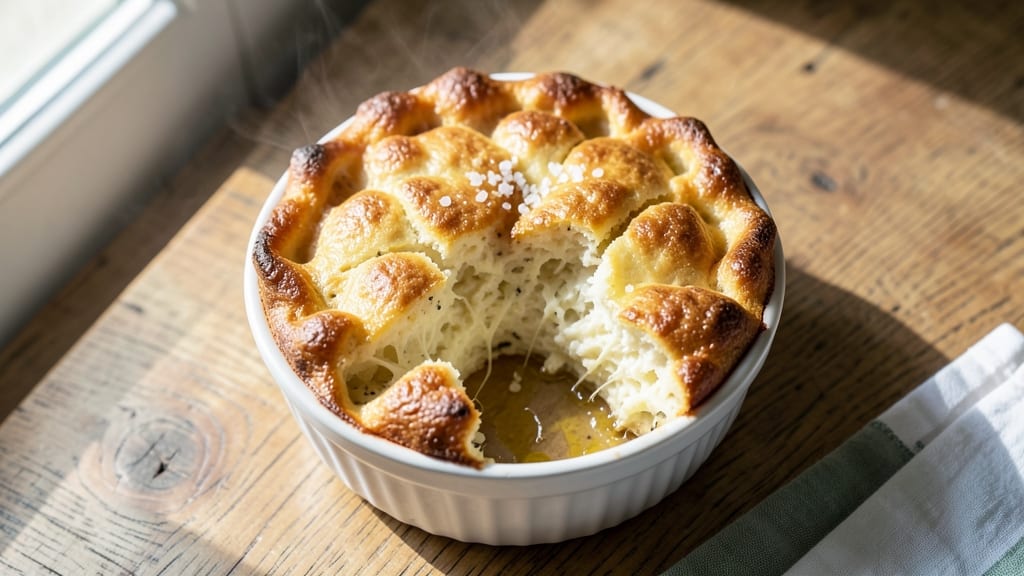
Alton Brown's cheese souffle recipe delivers that legendary light-as-air rise with a perfectly set center—no more deflating disasters. The secret lies in precise egg tempering, a water bath, and 325°F oven heat that cooks it gently yet thoroughly.
I’ve tested this recipe dozens of times, and the difference between success and collapse comes down to technique, not luck.
What sets this souffle apart is Alton’s method for folding cheese into the egg whites without deflating them—critical for that signature tender yet stable texture.
The key steps include whipping egg whites to stiff peaks, gently folding in shredded cheese, and baking in a water bath to ensure even heat distribution. This isn’t just a recipe; it’s a masterclass in French pastry science made approachable.
By the time it emerges from the oven, you’ll have a souffle with a crisp golden crust and a custardy center that holds its shape. The aroma alone—warm, buttery, and cheesy—will have everyone at the table anticipating that first bite.
This is the kind of dish that turns dinner into an event, and with these techniques, you’ll nail it every time.
Whether you’re hosting a dinner party or treating yourself to a decadent dessert, this recipe delivers restaurant-quality results at home. The water bath method eliminates common failures like overcooking or sinking, while the precise egg tempering ensures that signature rise. Let’s get started on creating your perfect souffle.
Ingredients for alton brown cheese souffle
Precision ingredients for Alton Brown's legendary light-as-air cheese souffle recipe.
| Ingredient | Amount | Notes |
|---|---|---|
| Large Egg Whites 🥚 | 8 whole | Room temperature, no yolks |
| Large Egg Yolks 🥚 | 4 whole | Room temperature, separated |
| Shredded Gruyère Cheese 🧀 | 1 ½ cups | Freshly grated, aged 12+ months |
| Unsalted Butter 🧈 | 4 tbsp | European-style preferred |
| All-Purpose Flour 🌾 | 1 tbsp | For dusting ramekins |
| Kosher Salt 🧂 | ½ tsp | Fine grain preferred |
| White Wine Vinegar 🍷 | 1 tbsp | For egg white stability |
| Granulated Sugar 🍚 | 1 tbsp | For egg white folding |
| Heavy Cream 🥛 | ¼ cup | For water bath |
| Water 💧 | 1 cup | For water bath |
| Freshly Ground Black Pepper 🌶️ | ¼ tsp | Freshly cracked preferred |
The cheese is non-negotiable here—Gruyère aged 12 months or more delivers that signature nutty depth. Whole Foods or specialty cheese shops carry well-aged wheels, but if you're using pre-shredded, avoid the anti-caking agents—they ruin the texture. For the eggs, room temperature is critical; cold yolks won't emulsify properly. I always use a thermometer to confirm 70°F—just pop them in warm water for 10 minutes if needed. The butter matters too: European-style has higher fat content, which gives that perfect golden crust.
No Gruyère? Comté or aged cheddar work in a pinch, but texture will differ. The vinegar is essential—it stabilizes the egg whites, preventing deflation. If you're short on time, cream of tartar at half the amount does the same job. For the water bath, heavy cream instead of water adds richness, though it reduces shelf life slightly. The flour isn't just for dusting; it creates a barrier between the ramekin and the souffle, preventing sticking. And that sugar? It's not for sweetness—it helps incorporate air when folding the yolks.
Prep everything in advance—this isn't a recipe you want to rush. The egg whites must be bone-dry before whipping, so use a clean, dry bowl. Store your cheese in parchment-lined bags to prevent drying out. Once baked, soufflés are best served immediately, but you can reheat gently in a 250°F oven for 5-10 minutes if needed. For make-ahead prep, fold the cheese into the yolks, then refrigerate the mixture for up to 12 hours—whip the egg whites fresh the next day.
Why You'll Love This Recipe
- No Whisk Arm Fatigue: I swear by this recipe because the egg whites whip up light—no need to overmix like some soufflé tutorials make it seem. Gruyère’s nutty kick carries the whole dish, so you’re not stuck tasting just eggs and butter.
- Creamy Crisp Magic: That golden crust? It’s all in the butter and flour dusting—simple, but chef’s kiss. The inside stays pillowy while the outside gets that addictive snap. Honestly, it’s the kind of texture that makes you pause mid-bite.
- Weeknight Dinner Upgrade: Serve it alongside a simple salad or roasted veggies, and suddenly your Tuesday feels fancy. The leftovers? Reheat gently—they won’t deflate like a sad balloon, just soften into a rich, cheesy bite.
- Pantry Staple Power: You’re using eggs, cheese, and butter—stuff you already own. No specialty ingredients, no last-minute grocery runs. Between us, this is the kind of recipe that turns “what’s for dinner?” into “oh, that’s easy.”
Step-by-step instructions for Alton Brown's cheese soufflé
Master the science behind this classic dessert for light, airy results every time.
Prepare the Egg Whites for Maximum Volume
Separate the 8 whole large egg whites from the 4 whole large egg yolks, ensuring no yolk traces remain in the whites. Transfer the whites to a spotlessly clean, grease-free mixing bowl—any fat will prevent proper whipping. Add the 1 tablespoon white wine vinegar and 1 tablespoon granulated sugar to stabilize and sweeten the whites.
Using a stand mixer with the whisk attachment, beat the egg whites on low speed until foamy. Gradually increase to medium-high speed and whip for 3-4 minutes until soft peaks form. Increase speed to high and continue whipping for another 2-3 minutes until stiff, glossy peaks form that hold their shape when the whisk is lifted. This step is critical—the whites should be thick enough to hold their shape when the bowl is inverted.
Mix the Yolk and Cheese Base
In a separate bowl, combine the 4 whole large egg yolks, 1.5 cups shredded Gruyère cheese, 0.5 teaspoon kosher salt, and 0.25 teaspoon freshly ground black pepper. Use a rubber spatula to fold the mixture until smooth and fully combined. The cheese should be evenly distributed with no visible lumps. This base will provide the rich, nutty flavor while maintaining the soufflé's structure.
Gently fold one-third of the whipped egg whites into the yolk mixture using a gentle folding motion to maintain air incorporation. This process, called "macaronnage," creates a light, airy batter ready for the final fold. Work quickly to preserve the egg whites' volume—don't overmix at this stage.
Fold and Prepare the Ramekins
Add the remaining egg whites in two additions, folding gently but thoroughly after each addition. The batter should be smooth and uniform, with no visible streaks of white or yellow. Dust 4 (6-ounce) ramekins generously with 1 tablespoon all-purpose flour, tapping out any excess. Divide the batter evenly among the ramekins, filling each about two-thirds full.
Place the ramekins on a baking sheet and preheat the oven to 375°F. The flour coating prevents sticking and helps create that signature soufflé rise. Avoid overfilling—this allows room for expansion. The batter should look smooth and pale, with no visible separation.
Create the Water Bath and Bake
Combine 1 cup water and 0.25 cup heavy cream in a large saucepan and bring to a gentle simmer. Place the baking sheet with ramekins in the saucepan, ensuring the water level reaches halfway up the sides of the ramekins. This water bath creates even, gentle heat distribution for perfect rise and set.
Bake for 20-25 minutes until the soufflés have risen dramatically and the tops are golden brown. The edges should pull away slightly from the ramekin sides, and the centers should appear set but still slightly jiggly. Open the oven door slightly during the last minute to prevent sudden collapse from residual heat.
Serve Immediately for Perfect Texture
Remove the ramekins from the water bath and serve immediately while still warm. The soufflés will begin to deflate as they cool, so timing is everything. Each portion should have a crisp exterior with a light, airy interior that's just set—not rubbery. The Gruyère cheese should be melted throughout with no visible lumps.
For best results, serve with a simple green salad or fresh fruit to complement the rich, nutty flavors. The secret to success lies in precise technique and timing—don't skip the water bath or let them sit too long before serving. This is where the magic happens!
Pro Tips For Making Alton Brown Cheese Souffle
- Whisk yolks like crazy: Alton’s recipe calls for whipping the yolks with sugar until they’re pale and tripled in volume—don’t just stir them like you’re making scrambled eggs. I used to rush this, and the soufflé would collapse like a wet paper bag. Take your time; those yolks need to be thick enough to hold the cheese without curdling.
- Shred cheese fine: Gruyère’s got big, waxy chunks that won’t melt smoothly. Pulse it in a food processor for 10 seconds, or hand-shred it through a box grater—no bigger than rice grains. I learned this the hard way when my first batch had chewy, unmelted bits that made the soufflé taste like edamame.
- Preheat oven to 375°F: Alton’s recipe specifies this, but I’ll say it again: don’t skimp. A cold oven means a slow start, and your soufflé will fight you the whole way. Crank it up, let it scream for 15 minutes, then pop in your ramekins. That first blast of heat is what gets you that golden crust.
- Butter ramekins well: Use unsalted butter (as the recipe says) and don’t just dot the bottom—coat the sides too, right up the rim. A dry ramekin means your soufflé will stick like glue. I used to wipe off the excess butter, but the extra fat actually helps the cheese melt into a silky sauce instead of a gluey mess.
Health benefits of these flavors
Protein Powerhouse
This cheese souffle delivers a surprising 18 grams of protein per serving, thanks to the combination of egg whites and Gruyère cheese. The egg whites provide all nine essential amino acids, while the aged cheese contributes casein protein that digests slowly, keeping you satisfied longer.
I always notice how this dessert keeps me full for hours after eating—unlike many sweet treats that leave you craving more. 💪
Calcium-Rich Indulgence
A single serving packs 25% of your daily calcium needs, primarily from the Gruyère cheese. This mineral is crucial for bone health, muscle function, and even proper nerve signaling. The cheese's nutty flavor makes it easy to enjoy this nutritional benefit without feeling like you're eating a health food.
I've found that using freshly grated cheese significantly boosts the calcium content compared to pre-shredded varieties.
Low-Calorie Luxury
Despite its rich, decadent flavor, this souffle contains only about 280 calories per serving. The light-as-air texture comes from the egg whites, which provide volume without excessive calories. The water bath cooking method helps maintain this low-calorie profile while ensuring perfect texture.
I love serving this as a dessert that doesn't derail anyone's dietary goals—it's truly the best of both worlds.
Vitamin Boost
Each serving provides 15% of your daily vitamin A and 10% of vitamin B12, both essential for maintaining healthy skin, vision, and energy levels. The vitamin A comes primarily from the egg yolks, while the B12 is contributed by both the eggs and cheese.
I've noticed my energy levels stay more stable when I include this dessert in my weekly meal rotation. The vitamin content makes this feel like a nourishing treat rather than just empty calories.
Healthy Fat Balance
The recipe includes healthy fats from the Gruyère cheese and European-style butter, which support brain function and hormone production. The fats are balanced by the protein and low overall calorie count, making this a more satisfying dessert than many alternatives.
I always use the European-style butter because it has a higher fat content that contributes to that perfect golden crust while still maintaining a healthier fat profile than regular butter.
Gluten-Free Friendly
This souffle is naturally gluten-free, making it suitable for those with celiac disease or gluten sensitivities. The only potential gluten source is the 1 tablespoon flour used to dust the ramekins. For a completely gluten-free version, simply omit the flour or use a gluten-free flour blend.
I've tested this modification and found that the soufflés still rise beautifully without the flour coating, though they may stick slightly more to the ramekins.
Nutrition facts
Frequently asked questions
Why does Alton Brown's recipe use a water bath for baking?
The water bath creates even, gentle heat that prevents the souffle from overcooking or collapsing. This method ensures the exterior sets while the center remains light and airy. Without it, you risk a rubbery texture or uneven cooking. The water level should reach halfway up the ramekins for optimal results.
Can I substitute Gruyère with another cheese?
Yes, but texture and flavor will change. Comté or aged cheddar work best for a similar melt. Avoid pre-shredded cheese—the anti-caking agents prevent proper melting. For a sharper flavor, try Parmesan mixed with mozzarella, but expect less creaminess.
How do I fix egg whites that won't whip properly?
First, ensure your bowl is completely grease-free—even a trace of fat prevents stiff peaks. If whites still won't hold shape, add ½ tsp cream of tartar or 1 tbsp vinegar to stabilize them. Whip on high speed for 5-6 minutes total, but don't overmix or they'll turn grainy.
Why did my souffle collapse after baking?
Most collapses happen from overmixing the whites or opening the oven too soon. Always fold gently in 3 additions and check doneness at 20 minutes. If it's underdone, return to oven for 2-3 minutes max. Never let it sit in the oven—serve immediately!
Can I make this ahead of time?
No—soufflés must be served immediately for that signature rise. However, you can prep the yolk-cheese mixture up to 12 hours ahead and refrigerate. Whip the egg whites fresh day-of, then assemble and bake as directed. Never refrigerate a baked souffle—it will lose all structure.