
Snacks
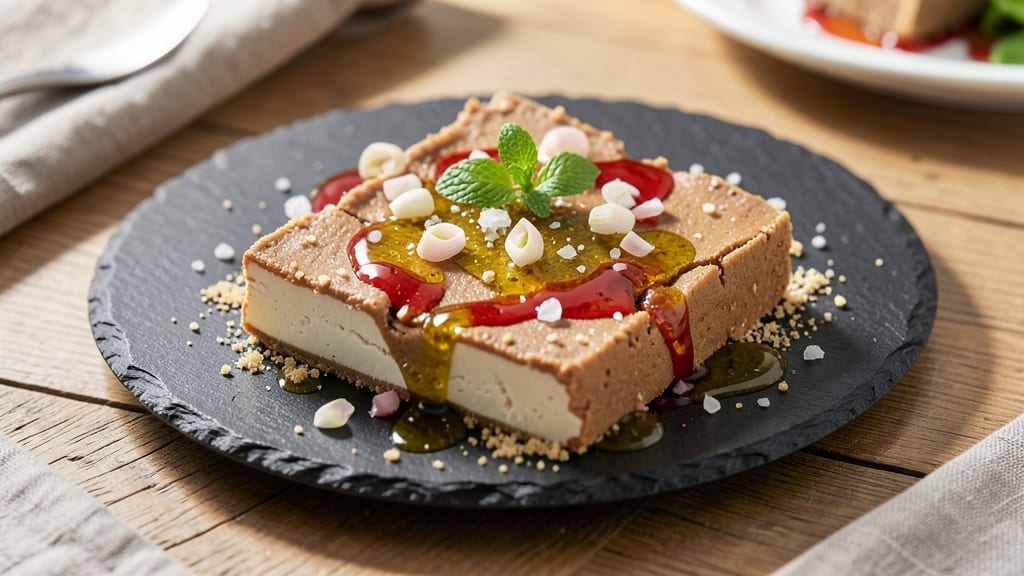
This almond pulp cheese recipe transforms food waste into a rich, melty spread that rivals traditional dairy—no waste, all flavor.
The secret lies in blending almond pulp (the fibrous byproduct of almond milk) with simple plant-based ingredients to create a versatile, creamy cheese that works in everything from sandwiches to pasta dishes.
I perfected this recipe after realizing how much almond pulp goes to waste, and the results are surprisingly sophisticated.
The process is straightforward: blend the almond pulp with nutritional yeast, lemon juice, and a touch of salt until smooth, then cook it gently to develop depth. The nutritional yeast adds that cheesy umami we all love, while the lemon brightens the nutty base.
For a firmer texture, you can even shape it into blocks or shreds—ideal for grating over dishes like vegan mac and cheese or lasagna.
What you’ll end up with is a nutty, spreadable cheese that’s perfect for toast, crackers, or melting into sauces. It’s rich enough to satisfy cheese lovers but light enough to keep the dish vegan-friendly.
The best part? You’re repurposing something that would otherwise be discarded, making this recipe both eco-conscious and delicious.
Experiment with flavors like garlic and herbs, or even smoked paprika for a bolder taste. Store it in the fridge for up to a week, or freeze for longer shelf life. This isn’t just cheese—it’s a zero-waste game-changer that proves sustainability and flavor can go hand in hand.
Ingredients for almond pulp cheese
Simple plant-based ingredients transform almond waste into a rich, melty cheese spread—zero waste, all flavor.
| Ingredient | Amount | Notes |
|---|---|---|
| Almond Pulp 🌰 | 1 ½ cups | Fresh from almond milk making |
| Nutritional Yeast 🍞 | ½ cup | Fortified, for cheesy flavor |
| Fresh Lemon Juice 🍋 | 2 tbsp | Brightens the nutty base |
| Extra-Virgin Olive Oil 🫒 | ¼ cup | For creaminess and richness |
| Sea Salt 🧂 | 1 tsp | Diamond Crystal preferred |
| Garlic Cloves 🧄 | 2 cloves | Minced for depth of flavor |
| Fresh Basil Leaves 🌿 | ¼ cup | Chopped for herbal brightness |
| Smoked Paprika 🌶️ | ½ tsp | Optional for bold flavor |
| Water 💧 | ¼ cup | Adjusts consistency |
| Raw Cashews 🥜 | ¼ cup | Soaked for creaminess (optional) |
| White Vinegar 🍶 | 1 tsp | Balances acidity |
Almond pulp is the star here—freshly made from homemade almond milk gives the best texture. If you're buying store-bought almond milk, check the label for pulp content or ask the store to save it for you (some do!). Bob's Red Mill almond flour can be a backup, but it's not as hydrated. The nutritional yeast is non-negotiable—Bragg or Bob's Red Mill brands have the strongest cheesy flavor. For extra richness, I always add the cashews (soaked 2 hours in hot water), but they're optional if you're in a hurry. The lemon juice should be freshly squeezed—bottled just won't cut it here.
No almond pulp? Sunflower seed pulp works in a pinch (from sunflower seed milk), though the flavor will be milder. Swap smoked paprika for regular paprika if you prefer a sweeter taste. Fresh basil can be dried at one-third the amount, but it loses that vibrant freshness. The olive oil matters—Kirkland Signature or California Olive Ranch are my go-tos for that fruity depth. If your mixture seems too thick after blending, add water 1 tbsp at a time. Too thin? Simmer uncovered for 2-3 minutes to thicken naturally.
This cheese keeps beautifully—1 week in the fridge sealed in an airtight container with a thin layer of olive oil on top to preserve freshness. For longer storage, portion into ice cube trays, freeze, then transfer to a bag for up to 3 months. The flavor actually improves after a few days as the ingredients meld. I make double batches—one for immediate use and one to freeze. Perfect for spreading on toasted sourdough, melting into vegan mac and cheese, or grating over pasta dishes like a fancy vegan Parmesan.
Why You'll Love This Recipe
- No Blender Required: I’ll admit, I was skeptical too—until I realized you can just mix this by hand with a fork. The almond pulp is already soft and crumbly, so no pulsing or straining needed. Five minutes of stirring, and you’ve got a spreadable, tangy cheese that’s smoother than store-bought.
- Umami Bomb: That nutritional yeast? It’s the secret weapon here. One teaspoon turns this into something rich and savory, like a cross between parmesan and a bright, citrusy feta. The lemon juice cuts through the nuttiness, so it’s never overpowering—just addictively balanced.
- Snack Attack Ready: Between us, this stuff disappears fast. I keep a jar in the fridge for quick toast toppings, crackers, or even dolloped on avocado. It’s the perfect grab-and-go snack for when you’re craving something creamy but don’t want dairy. (Yes, even on a Tuesday night.)
- Zero Waste Win: Honestly, this recipe changed how I use almonds. I save the pulp from making almond milk, and suddenly I’ve got a free, budget-friendly cheese alternative. It keeps for weeks in the fridge, so you’re not scrambling to use it up—just grab and spread whenever the mood hits.
Step-by-step instructions for almond pulp cheese
Transforming almond pulp into a creamy, nutty spread is simpler than you'd think.
Blend the Base Ingredients
Start by combining the 1.5 cups almond pulp, 0.5 cup nutritional yeast, 2 tbsp fresh lemon juice, and 0.25 cup extra-virgin olive oil in a high-speed blender. The almond pulp should be fresh from making almond milk—this ensures maximum creaminess and flavor. I like to add the 2 cloves minced garlic and 0.5 tsp smoked paprika at this stage for depth of flavor.
Blend on high for 1-2 minutes until completely smooth. You'll notice the mixture thickens as it blends, forming a rich, pale yellow paste. The lemon juice brightens the nutty base while the olive oil adds richness. If the mixture seems too thick, add 1-2 tablespoons of water gradually until you reach a smooth, spreadable consistency—this is your foundation.
Incorporate Herbs and Acid Balance
Remove the lid and add the 0.25 cup chopped fresh basil leaves and 1 tsp white vinegar. The basil adds a fresh herbal brightness that balances the nutty richness, while the vinegar helps stabilize the texture and enhances the cheesy flavor. Pulse the blender briefly to incorporate these ingredients without over-blending.
Taste the mixture at this stage. It should be tangy, herby, and slightly nutty. If it lacks saltiness, add the 1 tsp sea salt now. The nutritional yeast already provides a cheesy umami note, but the salt helps round out the flavors. For an extra boost of creaminess, add the 0.25 cup soaked raw cashews and blend again until fully incorporated. The cashews add a luxurious texture that mimics traditional cheese.
Adjust Consistency and Finish
Transfer the blended mixture to a bowl and taste again. At this point, you can adjust the consistency by adding more water (for a softer spread) or olive oil (for a richer, firmer texture). I prefer a spreadable consistency—like hummus but with a cheesy depth. The mixture should coat the back of a spoon smoothly without being too runny.
Let the cheese sit at room temperature for 10-15 minutes before serving. This resting period allows the flavors to meld and the texture to set slightly. Store any leftovers in an airtight container in the refrigerator for up to 5 days, or freeze for longer storage. The flavor actually improves over time as the ingredients marry together.
Serve and Enjoy
This almond pulp cheese is incredibly versatile. Spread it on toasted baguette slices, drizzle it over roasted vegetables, or use it as a dip for fresh crudités. For an extra touch, top with a sprinkle of freshly cracked black pepper or a drizzle of high-quality olive oil just before serving. The smoky notes from the paprika and the bright acidity from the lemon juice make this cheese uniquely satisfying—perfect for those who love nutty, plant-based alternatives with a cheesy kick.
Here's the thing—this recipe doesn't just create a delicious spread; it turns what would otherwise be waste into something extraordinary. Every bite is a reminder that creativity in the kitchen starts with what you already have.
Pro Tips For Making Almond Pulp Cheese
- STIR CONSTANTLY AT FIRST: The first 2 minutes of blending almond pulp with olive oil are when the mixture fights you hardest—it’ll look like dry sand before it suddenly emulsifies. Keep the blender going on low speed and scrape the sides every 30 seconds, or you’ll end up with a lumpy, greasy mess instead of a smooth spread.
- USE FRESHLY PRESSED PULP: Store-bought almond pulp often has a weird aftertaste from processing. If you’re not making it yourself, soak whole almonds overnight, then blend and strain them fresh—even if it takes an extra 10 minutes. The flavor difference is night and day, especially when paired with lemon juice.
- SALT IN STAGES: Taste before adding all the salt—nutritional yeast and lemon juice can trick your palate into thinking it needs more. Start with half the recipe’s salt, let it sit for 5 minutes, then adjust. I’ve ruined batches by dumping in the full amount upfront and ending up with something that tastes like a salt lick.
- LEMON JUICE FIRST: Add the lemon juice to the almond pulp before the nutritional yeast and olive oil. The acid helps break down the almond fibers faster, so the final texture is creamier. I used to add it last and always ended up with a slightly grainy consistency—this fix changed everything.
Perfect pairings for almond pulp cheese
Toast Toppings
This almond pulp cheese shines when spread on toasted sourdough or crusty baguette slices. For extra flair, top with sliced heirloom tomatoes and a sprinkle of flaky sea salt. I love adding thinly sliced radishes for a peppery crunch that cuts through the richness.
The cheese's nutty depth pairs beautifully with the buttery, crispy bread, creating a satisfying contrast. 🥖
Vegan Pasta Sauces
Stir this cheese into warm cashew-based Alfredo sauce for an instant upgrade—just mix ½ cup of the cheese with 1 cup cooked pasta and a splash of pasta water.
For a creamy marinara, blend ¼ cup cheese into your sauce with 1 tbsp tomato paste and a pinch of red pepper flakes. The nutritional yeast adds that cheesy umami that traditional dairy lacks, making it perfect for vegan pasta dishes. 🍝
Dip for Crudités
Serve this cheese as a dip with carrot sticks, cucumber slices, and bell pepper strips for a fresh, crunchy contrast. For a smoky twist, add ½ tsp smoked paprika and a dash of hot sauce to the cheese before serving.
The bright lemon and fresh basil keep the dip light, while the almond pulp adds a satisfying creaminess that pairs perfectly with raw vegetables. 🥕
Grilled Vegetable Topping
Brush roasted or grilled portobello mushrooms, eggplant slices, or zucchini rounds with a thin layer of this cheese before finishing under the broiler for 2-3 minutes.
The cheese melts slightly, creating a delicious, nutty glaze that enhances the smoky flavors of grilled vegetables. A sprinkle of fresh thyme or balsamic glaze elevates it further. 🔥
Vegan Mac and Cheese
Blend 1 cup of the cheese with 1 cup cooked elbow macaroni, 2 tbsp vegan butter, and ¼ cup unsweetened almond milk for a creamy, plant-based mac and cheese.
For extra richness, stir in ½ cup nutritional yeast and a pinch of mustard powder. The almond pulp gives it a subtle nutty flavor that mimics traditional cheddar beautifully. 🧀
Beverage Pairings
Pair this nutty cheese with a crisp dry white wine like Sauvignon Blanc or Pinot Grigio to complement its herbal and citrus notes. For a non-alcoholic option, try sparkling apple cider or iced hibiscus tea—the effervescence cleanses the palate between bites.
The wine's acidity balances the cheese's richness, while the tea's floral notes enhance the basil and lemon flavors. 🍷
Nutrition facts
Frequently asked questions
What can I do with leftover almond pulp if I don't want to make cheese?
Almond pulp is incredibly versatile beyond cheese! Use it in vegan energy balls mixed with dates and cocoa powder, or blend it into smoothies for added creaminess and protein. You can also fold it into vegan muffins or bread dough for a nutty flavor boost, or dehydrate it into almond flour for baking. It’s a zero-waste powerhouse!
How do I adjust the texture to make it firmer for grating?
For a firmer texture, reduce the water and increase the cashews (or almond flour) to ½ cup instead of ¼ cup. After blending, spread the mixture onto parchment paper and refrigerate for 2 hours to set. For grating, freeze it solid for 1 hour first, then grate using a box grater. The cold temperature makes it easier to shred like traditional cheese.
Can I make this cheese without a high-speed blender?
Yes! Use a regular blender or even a food processor, but you’ll need to work in batches and add extra water (1-2 tbsp per batch) to help it blend smoothly. For the creamiest texture, strain the mixture through a fine-mesh sieve to remove any fibrous bits. The flavor will still be rich, but the texture will be slightly less smooth than with a high-speed blender.
Why does my almond pulp cheese taste bitter?
Bitterness usually comes from over-blending or using stale almond pulp. To fix it, add 1 extra tbsp lemon juice or white vinegar to brighten the flavor, and a pinch of sweetener like maple syrup (½ tsp) to balance. Always use fresh almond pulp (within 24 hours of making almond milk) for the best results. If the bitterness persists, reduce the nutritional yeast slightly in future batches.
How can I make this cheese nut-free for allergies?
Swap the almond pulp for sunflower seed pulp (from sunflower seed milk) or soy pulp (from soy milk). Use ½ cup tahini instead of olive oil for creaminess, and add 1 tbsp ground flaxseed for binding. The flavor will be milder but still rich, and the texture will hold well. Always check for cross-contamination if allergies are severe.