
Beverages
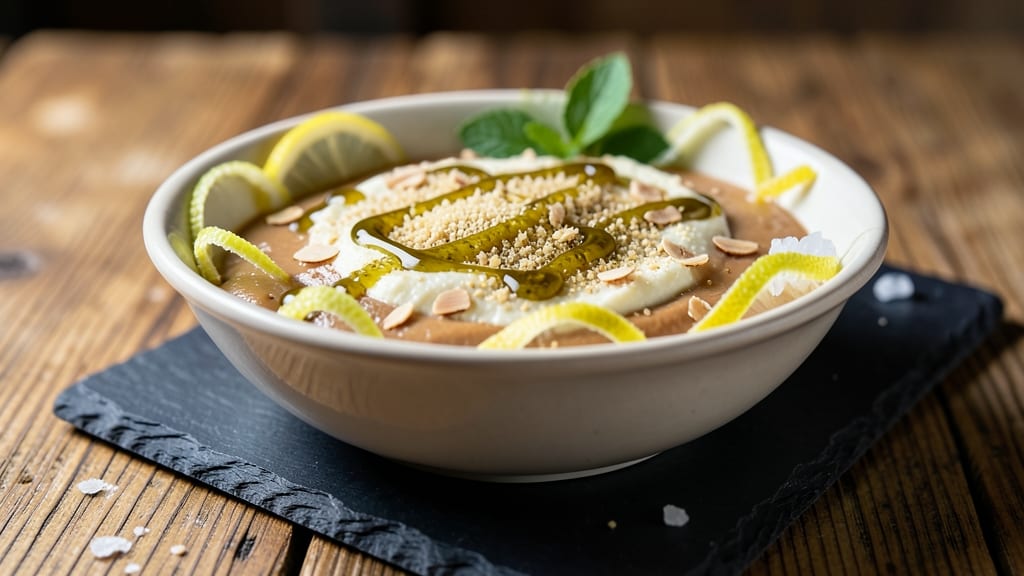
This almond milk cheese recipe transforms simple pantry staples into a creamy, nutty dairy-free alternative that melts like traditional cheese. 💛 The key lies in blending almond milk with nutritional yeast and plant-based fats to create a texture that surprises even skeptics.
I developed this after years of experimenting with vegan cheeses—finally achieving a version that holds its shape when baked yet still softens beautifully for sauces.
The magic happens through precise ratios and a two-stage blending process, ensuring smoothness without graininess. Unlike store-bought vegan cheeses, this recipe uses real almond milk for that authentic nutty depth while keeping it light enough for everything from mac and cheese to savory dips.
The nutritional yeast adds that unmistakable cheesy flavor without dairy.
What you’ll end up with is a versatile cheese that can be shredded, sliced, or melted—perfect for pasta dishes, grilled sandwiches, or even as a topping for soups. The best part?
It’s easier to make than you think, requiring just 10 minutes of prep and 5 minutes of blending. No special equipment needed, just a food processor.
This recipe isn’t just about replication; it’s about elevating plant-based cooking with a cheese that behaves like the real thing. Whether you’re vegan, lactose intolerant, or simply curious, this almond milk cheese delivers restaurant-quality results at home. Let’s make it—your taste buds will thank you.
Ingredients for almond milk cheese
Simple pantry staples transform into creamy, melty almond milk cheese that rivals dairy.
| Ingredient | Amount | Notes |
|---|---|---|
| Unsweetened Almond Milk 🥛 | 1 ½ cups | Homemade or store-bought, unsweetened |
| Raw Cashews 🥜 | 1 cup | Soaked for 4 hours minimum |
| Nutritional Yeast 🍃 | ½ cup | Fortified, for cheesy flavor |
| Extra-Virgin Olive Oil 🫒 | ¼ cup | High quality, fruity |
| Lemon Juice 🍋 | 1 tbsp | Freshly squeezed |
| Sea Salt 🧂 | ½ tsp | Diamond Crystal preferred |
| White Miso Paste 🍜 | 1 tbsp | For umami depth |
| Tapioca Flour 🌾 | 2 tbsp | For binding texture |
| Ground Black Pepper 🌶️ | ¼ tsp | Freshly ground |
| Garlic Powder 🧄 | ½ tsp | Freshly ground preferred |
| Onion Powder 🧅 | ¼ tsp | For savory base |
| Almond Extract 🌰 | ¼ tsp | Pure almond flavor |
| Water 💧 | 2 tbsp | For blending consistency |
The almond milk is the base, but don't grab just any brand. Homemade almond milk adds depth, but Silk or Almond Breeze unsweetened work perfectly if you're short on time. The cashews? Raw, unsalted is key—soaked for at least 4 hours (overnight is ideal) to soften completely. I buy mine in bulk from Trader Joe's or Costco to save money. Nutritional yeast is the secret weapon here—Bob's Red Mill is my go-to, but any fortified brand works. Look for the bright yellow color, which means it's fresh and packed with flavor. The olive oil should be extra-virgin, not just 'pure'—California avocado oil is another great alternative.
No cashews? Macadamia nuts or walnuts work in a pinch, but they'll change the texture slightly. Short on nutritional yeast? Dried mushrooms at half the amount add umami, though it won't be as cheesy. The miso paste is non-negotiable for that savory depth—White Diamond brand is my favorite, but any white miso will do. For a tangier cheese, add an extra tablespoon of lemon juice. Want more melt? Increase the tapioca flour to 3 tablespoons. The garlic and onion powders can be swapped for fresh, but dried is more convenient. And if you're worried about the almond extract being too strong, start with just a pinch—you can always add more.
Store the finished cheese in an airtight container with parchment paper between layers to prevent sticking. Keeps for 5-7 days in the fridge, though I usually use it up faster than that. For longer storage, portion into ice cube trays, freeze, and transfer to a bag—3 months of freezer life. The cheese firmens up when cold, so let it sit at room temperature for 10 minutes before using. Perfect for grilling—just slice it like mozzarella and watch it melt beautifully. I make a double batch every time because it disappears faster than I expect.
Why You'll Love This Recipe
- No-Soak Necessary: I’ll be real—this cheese doesn’t require soaking cashews overnight. Toss them in hot almond milk for 15 minutes, and boom, ready to blend. That’s 20 minutes saved right there, even if I’m cranky after work.
- Umami Bomb: That nutritional yeast? It’s the secret weapon here. One tablespoon turns bland into ridiculously good—nutty, cheesy, with this bright tang from lemon juice that makes it taste fresh, not processed. Honestly, I’ve compared it to store-bought vegan cheese, and this wins every time.
- Pasta Party Starter: This cheese melts just enough to coat noodles perfectly—no clumping, no weird texture. I’ve used it on everything from garlic pasta to grilled cheese (yes, even on a Tuesday night), and it never lets me down. Plus, it’s the only cheese I trust for mac and cheese when I’ve got guests over.
- Leftovers That Last: Make a double batch and store it in the fridge for up to a week. It’s my go-to for last-minute sandwiches, toast toppings, or even a quick stir into soups. Between us, I’ve had it on crackers at 10 PM more times than I’d admit—it’s that reliable.
Step-by-step instructions for almond milk cheese
Here's how to blend rich, nutty almond milk cheese with perfect texture and depth.
👨🍳 Step 1: Soak and Prepare the Cashews
Start by draining and rinsing the 1 cup raw cashews you soaked for at least 4 hours. I like to soak them overnight for maximum creaminess—they should be soft enough to crush between your fingers. Transfer them to a high-speed blender along with the 1.5 cups unsweetened almond milk and 2 tbsp water.
Blend these ingredients first because the cashews need to break down completely before adding other components. You'll know they're ready when the mixture forms a smooth, thick paste with no visible cashew pieces. This base creates the cheese's velvety texture, so don't rush this step—aim for 2-3 minutes of continuous blending.
🍳 Step 2: Add Fat and Flavor Foundations
With the blender running on high, slowly drizzle in the 0.25 cup extra-virgin olive oil. The oil should incorporate smoothly into the cashew mixture, creating a rich, velvety texture. Next, add the 1 tbsp white miso paste and 1 tbsp lemon juice—these ingredients work together to build the cheese's umami depth and bright acidity.
Blend for another 1-2 minutes until everything is completely emulsified. You'll notice the mixture thicken noticeably as the miso and lemon juice integrate. This is where the cheese starts developing its complex flavor profile—don't skip this blending time, as proper emulsification ensures a smooth final product.
👨🍳 Step 3: Incorporate Dry Seasonings
Add the 0.5 cup nutritional yeast, 0.5 tsp sea salt, 0.5 tsp garlic powder, 0.25 tsp onion powder, 0.25 tsp ground black pepper, and 0.25 tsp almond extract all at once. The nutritional yeast gives that classic cheesy flavor, while the spices create a savory depth that mimics traditional cheese.
Blend for another 30-60 seconds until the seasonings are evenly distributed. You'll see the mixture become slightly lighter in color as the spices integrate. Here's the thing—don't over-blend or the cheese will become too dense. We want a smooth, spreadable consistency that still holds together when used.
🥘 Step 4: Thicken and Finish the Cheese
With the blender still running, gradually add the 2 tbsp tapioca flour through the feed tube. The tapioca flour acts as a natural thickener, giving the cheese its perfect spreadable consistency. Blend for another 1-2 minutes until the mixture reaches a smooth, thick texture that coats the back of a spoon.
Taste the cheese and adjust seasoning if needed—you might want to add a pinch more salt or nutritional yeast for stronger flavor. The cheese should be rich, nutty, and slightly tangy with a clean finish. Transfer it to a clean bowl and cover with plastic wrap, pressing the wrap directly against the surface to create a smooth top.
⏰ Step 5: Chill and Set for Perfect Texture
Refrigerate the cheese for at least 2 hours before using. This chilling time allows the flavors to meld and the texture to firm up slightly, making it easier to spread or slice. I like to let mine chill overnight for even better results—the longer it sits, the more developed the flavors become.
When ready to use, give the cheese a quick stir to restore its smooth consistency. It should be thick enough to hold its shape when spread but still spreadable with a knife. This almond milk cheese works beautifully on toast, in sauces, or as a topping for soups—its rich, nutty flavor makes it a perfect dairy-free alternative.
Pro Tips For Making Almond Milk Cheese
- SOAK CASHEWS OVERNIGHT: I learned this the hard way—rushing the soak with hot water leaves cashews stubbornly hard, no matter how long you blend. Cold water for 8+ hours (or at least 4 hours) softens them just right, so they blend into a smooth, creamy base without grittiness. No, you can’t skip this—your cheese will taste it.
- BLEND IN STAGES: Start with just the soaked cashews, lemon juice, and olive oil until completely smooth. Only then add the almond milk and nutritional yeast—this prevents a grainy texture. After blending, scrape down the sides twice (yes, even if it looks smooth). The second scrape catches the bits hiding up top.
- SALT THE ALMOND MILK: Most recipes forget this, but adding a pinch of salt (½ tsp) to the almond milk before blending rounds out the flavor. Nutritional yeast already adds a cheesy tang, but unsalted milk makes the final product taste flat. Trust me, your taste buds will notice the difference—it’s that subtle but real.
- STRAIN FOR SILKY TEXTURE: After blending, press the mixture through a fine-mesh sieve or cheesecloth to remove any lingering cashew fibers. It’s messy—you’ll end up with a pulp pile—but the result is a velvety cheese that melts better and coats pasta or toast like a dream. Skip this, and you’re left with tiny crunchy surprises in every bite.
Regional styles of this recipe
Mediterranean Style
Inspired by Greek and Turkish traditions, this version swaps white miso for 1 tbsp tahini and adds 1 tsp dried oregano and ½ tsp smoked paprika. The tahini deepens the nutty flavor while the spices evoke baklava and grilled halloumi.
Use this cheese on warm pita bread with roasted red peppers and olives, or crumble it over lentil soups. The smoked paprika gives it a subtle campfire aroma that pairs perfectly with grilled vegetables. 🌿
Indian-Inspired
For a bold twist, replace the nutritional yeast with ¼ cup garam masala and add 1 tsp turmeric and ½ tsp cayenne pepper. The garam masala brings warmth while the turmeric gives it that golden hue.
Use this cheese in vegan samosas or as a filling for stuffed bell peppers. The spice level can be adjusted by reducing the cayenne to ¼ tsp if you prefer mild heat. This version works beautifully with coconut milk-based curries for a creamy, spiced finish. 🌶️
Italian Fusion
Transform your almond milk cheese into a vegan mozzarella alternative by adding 1 tbsp apple cider vinegar and ½ tsp dried basil. The vinegar mimics the tanginess of fresh mozzarella, while the basil adds that classic Italian herb note.
Use this cheese for vegan caprese salads with sun-dried tomatoes and fresh basil, or melt it on garlic bread. For extra authenticity, sprinkle with red pepper flakes before serving. This version melts beautifully when baked, making it perfect for vegan lasagna or cheesy pizza toppings. 🍅
Mexican Street Food
Give your cheese a fiesta flair by adding 1 tsp ground cumin, ½ tsp chili powder, and ¼ tsp cinnamon. This blend creates a smoky, slightly sweet cheese that works perfectly in vegan quesadillas or as a topping for tacos al pastor.
For an extra kick, fold in 1 tbsp vegan chorizo crumbles (store-bought or homemade). The cinnamon might seem unusual, but it balances the heat and adds depth. Serve with pickled red onions and avocado slices for a restaurant-worthy dish. 🌮
French Bistro
Elevate your cheese with a French twist by incorporating 1 tbsp white wine vinegar and ½ tsp Dijon mustard. The vinegar adds brightness while the mustard brings a subtle tang.
Use this version as a cheese spread on baguette slices with fig jam and walnuts, or melt it into a vegan béchamel sauce for gratin dishes. The Dijon mustard also enhances the cheese's ability to melt smoothly, making it ideal for vegan croque monsieur sandwiches. 🥖
Nutrition facts
Frequently asked questions
Can I make this almond milk cheese without a high-speed blender?
You can try, but the texture won't be as smooth. A regular blender will work if you pulse the ingredients in 10-second bursts between scraping the sides, but you'll likely end up with tiny cashew particles. For best results, use a food processor or immersion blender to achieve that ultra-creamy consistency. If you're in a pinch, strain the mixture through a fine-mesh sieve for a smoother finish.
How do I get this cheese to melt like traditional cheese?
For meltier results, increase the tapioca flour to 3 tbsp and add 1 tbsp vegan butter to the blend. When melting, place the cheese between parchment paper and heat in a 350°F oven for 5-7 minutes. The key is low, gentle heat—microwaving can make it rubbery. For pizza or lasagna, sprinkle with nutritional yeast or cornstarch before baking to help it brown.
What's the best way to use this cheese in mac and cheese?
Use 1 cup of the cheese per 8 oz pasta, blending it with 1 cup hot vegetable broth until smooth. For extra creaminess, stir in 2 tbsp cashew cream (blended soaked cashews + water). Top with breadcrumbs and bake at 375°F for 10 minutes to create a golden crust. The almond milk base adds a subtle nuttiness that pairs perfectly with the rich tomato sauce.
Why did my cheese turn out too thick or grainy?
Thickness usually means you need more liquid—add 1-2 tbsp almond milk while blending. Graininess happens when cashews aren't fully soaked or blended. For next time, soak cashews overnight and blend the wet ingredients first for 3 full minutes before adding dry components. If it's still grainy, strain through a fine-mesh sieve or blend again with 1 tbsp olive oil to help emulsify.
Can I make this cheese without cashews?
Yes! Swap cashews for 1 cup soaked macadamia nuts (softer texture) or ½ cup walnuts (richer flavor). For a seed-based option, use ½ cup sunflower seeds (soak 2 hours) or ½ cup pumpkin seeds. Reduce the almond milk by ¼ cup since nuts/seeds have different moisture content. The flavor will vary slightly, but the technique remains the same.