
Sauces & Condiments
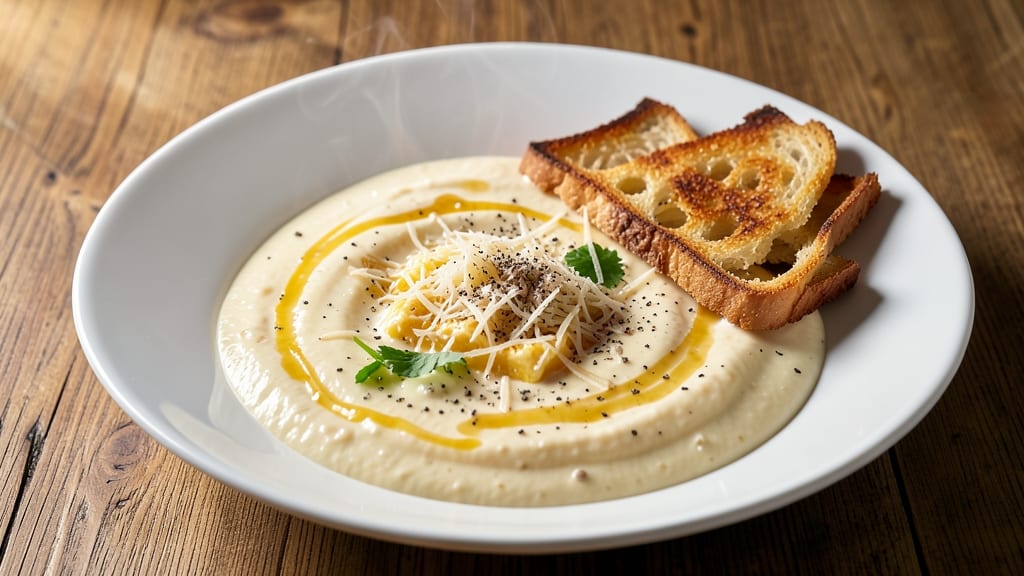
This ultra-creamy alfredo cheese sauce transforms ordinary pasta into a restaurant-worthy masterpiece—without the risk of burning or breaking. The secret lies in a slow, controlled simmer that creates a velvety texture while preserving the rich, nutty depth of Parmesan.
I've perfected this no-burn method after years of testing, ensuring every batch delivers that signature smoothness without curdling or separating.
The foundation starts with equal parts butter and heavy cream, gently heated until the butter melts completely before adding shredded Parmesan. A pinch of nutmeg and fresh garlic (optional) elevate the flavor, while constant stirring prevents lumps and ensures a silky consistency.
This method works for any pasta shape or protein—think fettuccine, grilled chicken, or roasted vegetables—because the sauce clings perfectly without turning watery.
What sets this recipe apart is its foolproof technique: the sauce thickens naturally as it simmers, creating a luxurious coating that's neither too thin nor too heavy. The result is a velvety, golden sauce with a subtle cheesy aroma that lingers long after the last bite.
Best of all, it reheats beautifully, making it ideal for meal prep or last-minute dinners.
Use this versatile sauce as a base for creamy pasta dishes, a drizzle over grilled meats, or a dip for crusty bread. The instructions below break down the exact ratios and timing to guarantee success every time—no culinary experience required.
Ingredients for alfredo cheese
Eight essential ingredients crafting velvety perfection—no lumps, no curdling, just restaurant-quality alfredo.
| Ingredient | Amount | Notes |
|---|---|---|
| Unsalted Butter 🧈 | ½ cup | Cold, cubed for even melting |
| Heavy Whipping Cream 🥛 | ½ cup | Full-fat for maximum creaminess |
| Parmesan Cheese 🧀 | 1 ½ cups | Freshly grated from block |
| Garlic Cloves 🧄 | 2 cloves | Minced, optional for depth |
| Ground Nutmeg 🌿 | ¼ tsp | Freshly grated preferred |
| Diamond Crystal Kosher Salt 🧂 | ½ tsp | Adjust to taste |
| Freshly Ground Black Pepper 🌶️ | ¼ tsp | For subtle seasoning |
| All-Purpose Flour 🌾 | 1 tbsp | For thickening, optional |
The Parmesan is non-negotiable—Parmigiano-Reggiano from a block delivers that unmistakable nutty depth. Whole Foods or specialty cheese shops carry the best, but a high-quality wedge from any grocery store deli works in a pinch. Freshly grating it yourself makes all the difference; pre-grated cheese contains anti-caking agents that ruin the texture. For the butter, Plugrá or Land O'Lakes unsalted are reliable choices, though any good-quality brand will do. The heavy cream should be full-fat—Hormel or Organic Valley are solid options, and never skim or reduced-fat.
No Parmesan? Gran Padano is a decent substitute, though it lacks the same depth. Want to skip the garlic? Garlic powder at half the amount works, but fresh is ideal. Running low on nutmeg? Mace or a pinch of cinnamon can mimic its warmth. The flour is truly optional—this recipe thickens naturally with the cheese and cream, but if you prefer a thicker consistency, arrowroot powder can replace it at the same ratio. For a dairy-free version, olive oil and coconut cream can mimic the richness, though the texture will differ slightly.
This sauce thickens as it cools, so stop simmering just before it reaches desired consistency. Store in an airtight container with a thin layer of plastic wrap pressed directly onto the surface to prevent a skin from forming. Keeps for 4-5 days in the fridge and freezes beautifully for up to 3 months. For meal prep, portion into ice cube trays before freezing—perfect for adding to pasta or drizzling over dishes later. Reheat gently over low heat, stirring constantly to restore its silky texture.
Why You'll Love This Recipe
- Five-Ingredient Magic: I swear by this recipe—just butter, cream, Parmesan, garlic, and nutmeg. That’s it. No fancy techniques, no hidden pantry raids. The sauce comes together while you boil pasta, and honestly? It’s the kind of simplicity that makes me feel like a cooking genius.
- Creamy Garlic Bliss: The moment that nutmeg hits the warm cream? Pure satisfaction. It’s rich but not heavy, with just enough garlic to make your kitchen smell like an Italian bistro. My husband licks the pan when he thinks I’m not looking.
- Weeknight Wonder: This sauce is my go-to for busy nights—dress up store-bought fettuccine, toss it with roasted chicken, or even drizzle it over grilled veggies. Between us, it’s the only thing keeping me from takeout when I’m exhausted but still want something fancy.
- Leftover Goldmine: Make a double batch and store it in the fridge for up to five days. It thickens beautifully when reheated, and I’ve even frozen it (yes, it survives). The best part? It turns sad pasta into a meal again the next day—no waste, all flavor.
Step-by-step instructions for ultra-creamy stovetop alfredo sauce
Here's the professional method for velvety perfection without curdling or separation.
Melt Butter and Bloom the Flour
In a medium saucepan, melt the 0.5 cup unsalted butter over medium-low heat. I like to use cubed butter for even melting—it creates tiny pockets of air that help emulsify the sauce later. Let it melt completely but don't let it brown, as that can impart bitterness to your sauce.
Once fully melted, reduce heat to low and whisk in the 1 tablespoon all-purpose flour. This is called "blooming" the flour, and it helps remove the raw taste while creating a smooth base. Cook for 1-2 minutes until the mixture becomes slightly thickened and loses its floury appearance. You're essentially making a simple roux, which will serve as the foundation for your sauce.
Gradually Incorporate the Cream
Slowly pour in the 0.5 cup heavy whipping cream while whisking constantly to prevent lumps from forming. The key here is patience—adding the cream too quickly can cause the sauce to seize up. Keep the heat at low and continue whisking for 2-3 minutes until the mixture thickens slightly.
This gradual incorporation is crucial for creating a smooth, creamy sauce. If you notice any lumps forming, strain the mixture through a fine-mesh sieve before proceeding. The sauce should now have a velvety consistency, ready to accept the cheese.
Add Cheese and Aromatics
Reduce heat to lowest setting and begin adding the 1.5 cups freshly grated Parmesan cheese in increments. I like to add about ¼ cup at a time, whisking vigorously after each addition. This gradual approach prevents the cheese from clumping and ensures even distribution throughout the sauce. The residual heat from the pan will begin to melt the cheese, creating a rich, creamy texture.
Next, add the 2 minced garlic cloves, 0.25 teaspoon ground nutmeg, 0.5 teaspoon Diamond Crystal kosher salt, and 0.25 teaspoon freshly ground black pepper. The nutmeg adds a subtle warmth that complements the richness of the cheese, while the garlic provides depth of flavor. Stir gently to combine, being careful not to overmix at this stage.
Simmer for Maximum Creaminess
Increase heat to medium-low and let the sauce simmer gently for 3-5 minutes. This step is where the magic happens—the sauce will thicken as the cheese fully melts and the flavors meld together. Keep stirring occasionally to prevent any sticking or burning at the bottom of the pan.
You're looking for a sauce that coats the back of a spoon smoothly, with no visible lumps. If the sauce becomes too thick, you can thin it slightly by adding 1-2 tablespoons of warm water or pasta water. The sauce should be luxuriously creamy but still pourable—this consistency ensures it clings beautifully to pasta without being gluey.
Finish and Serve Immediately
Once the sauce reaches your desired consistency, remove it from heat. The residual heat will continue to work the sauce, so don't overcook it. Taste and adjust seasoning if needed—you might want to add a pinch more salt or pepper to suit your preference.
This sauce is best served immediately over hot fettuccine or your choice of pasta. The contrast of the warm pasta and creamy sauce creates a restaurant-quality experience. If you need to reheat leftovers, do so gently over low heat, stirring constantly to prevent separation. The sauce should maintain its velvety texture and rich flavor.
Pro Tips For Making Alfredo Cheese
- Melt Butter Slowly: Start with low heat—yes, even if you're eager to get going. Butter burns faster than you think, and once it turns nutty or brown, your sauce will taste bitter. I learned this the hard way after one batch tasted like a campfire instead of a creamy dream.
- Grate Parmesan Fresh: Skip the pre-grated stuff—it’s packed with anti-caking agents that make your sauce grainy. Use a microplane or fine grater and grate it right before mixing. The cheese loses flavor and texture fast, so don’t do this ahead of time.
- Simmer, Don’t Boil: Keep the cream at a gentle simmer, not a rolling boil. If it jumps and froths, you’ve gone too far, and the sauce will separate. A steady, barely-there bubble is what you want—this keeps the cream silky and the sauce cohesive.
- Toast the Garlic: Sauté the minced garlic in butter for 30 seconds until it’s fragrant but not browned. Burnt garlic turns bitter, and that’ll ruin the whole dish. Just until it smells like a garlic festival, not a charred crime scene.
Serving suggestions for this recipe
Pasta Perfection
This alfredo sauce is a dream come true for pasta lovers—especially with fettuccine or linguine, whose wide, flat surfaces catch every creamy strand. I always cook 8 ounces of pasta per serving, tossing it directly in the saucepan with the warm sauce to meld flavors instantly.
For extra indulgence, finish with toasted breadcrumbs and a sprinkle of fresh parsley for color and freshness. 🍝
Protein Pairings
Alfredo sauce elevates grilled or roasted chicken breast like nothing else. I like to brush 6-ounce chicken breasts with olive oil, season with salt and pepper, then top with a generous spoonful of sauce before finishing under the broiler for 3-4 minutes to create a golden crust.
For seafood lovers, try drizzling sauce over shrimp scampi or grilled salmon—the richness balances beautifully with the oceanic flavors. 🦞
Vegetable Twists
Roasted broccoli or asparagus become luxurious side dishes when tossed in warmed alfredo. I roast 1 lb of broccoli at 400°F for 15 minutes until tender-crisp, then toss with sauce and a pinch of red pepper flakes.
For a lighter option, serve with zucchini noodles—the sauce clings perfectly without weighing down the dish. 🥦
Bread & Appetizers
Warm, crusty garlic bread or baguette slices become irresistible when dipped in this sauce. I like to brush toasted bread with a thin layer of sauce, then sprinkle with Parmesan and broil for 2 minutes to create a crispy, cheesy top.
For appetizers, serve with mushroom caps or baked potato wedges—the sauce adds a decadent touch without overpowering. 🥖
Breakfast Upgrade
This sauce isn't just for dinner—it transforms breakfast into a gourmet experience. Try drizzling it over scrambled eggs or pancakes, or use it as a dip for biscuits or English muffins.
I often add a splash of heavy cream to loosen the sauce slightly before serving, making it perfect for breakfast plates. 🍳
Garnish Game-Changers
A few finishing touches elevate this sauce to restaurant-level quality. Crispy prosciutto adds a salty crunch, while toasted pine nuts bring nutty warmth. For a pop of color, microgreens or baby arugula add freshness.
I always keep a stash of these garnishes on hand—just a sprinkle can make the dish feel special. ✨
Nutrition facts
Frequently asked questions
Can I make this sauce without heavy cream?
Yes! For a lighter version, substitute the heavy cream with 1 cup whole milk plus 2 tablespoons cornstarch mixed into 2 tablespoons cold water. Simmer the milk with the cornstarch slurry until thickened before adding cheese. The texture will be slightly less rich but still creamy. For extra decadence, use half-and-half instead.
Why did my sauce turn grainy or separate?
This usually happens from one of three issues: adding cheese too quickly (causing clumps), overheating the sauce (burning the butter), or not stirring enough. The fix? Melt the cheese over lowest heat, whisk constantly, and add it gradually. If it separates, whisk in 1 tablespoon cold butter or 1 tablespoon heavy cream to re-emulsify.
How do I adjust the thickness for different dishes?
The ideal consistency depends on your dish: for pasta, aim for a medium-thick sauce that coats the back of a spoon. For dipping or drizzling, thin it slightly with warm water or pasta water. If too thick, whisk in 1 tablespoon at a time until smooth. For a thicker sauce (like for lasagna), simmer uncovered for 1-2 extra minutes.
Can I make this sauce ahead of time?
Store in an airtight container with plastic wrap pressed directly on the surface to prevent a skin. It keeps for 4-5 days in the fridge and freezes beautifully for up to 3 months. To reheat, warm over low heat, stirring constantly—never microwave, as it can cause separation. For best results, add a splash of heavy cream when reheating.
What’s the best cheese substitute if I don’t have Parmesan?
For a similar nutty flavor, use Pecorino Romano or Gran Padano in a 1:1 ratio. For a milder taste, blend ½ cup Parmesan with 1 cup sharp cheddar. Avoid pre-shredded cheese—it contains anti-caking agents that make the sauce grainy. If you're dairy-free, try a mix of nutritional yeast and cashew cream for a cheesy alternative.