
Salads
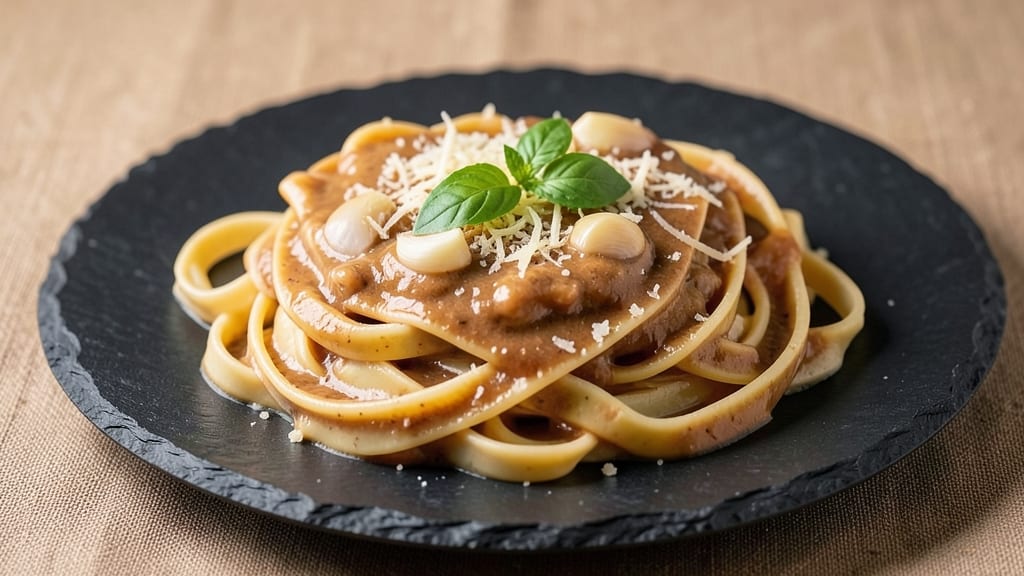
This Alfredo cheese pasta recipe delivers restaurant-quality creaminess without the risk of burning or breaking. The secret lies in a low-and-slow technique that transforms simple ingredients into a velvety sauce that clings perfectly to every strand of pasta.
I've perfected this method after years of trial and error—no more lumpy, grainy, or overly thick sauces that ruin the experience.
The foundation of this recipe is a rich, creamy sauce built with butter, heavy cream, and a blend of cheeses that melts into silky perfection. Unlike many recipes, this method avoids sudden temperature spikes that cause sauce separation, ensuring a smooth, velvety consistency every time.
The key is patience—letting the sauce develop gradually on the stovetop while the pasta cooks.
What you'll end up with is ultra-creamy alfredo pasta that's impossibly smooth, with a sauce so rich it coats each noodle without feeling heavy.
The texture is velvety yet light, thanks to the careful balance of cream and cheese, and the flavor is deeply savory with just a hint of garlic for depth. This is the kind of pasta dish that makes weeknight dinners feel like a special occasion.
You can customize it with add-ins like sautéed mushrooms, grilled chicken, or crispy bacon, but the sauce itself stands strong as a foolproof base for any variation. Once you try this method, you'll never go back to store-bought or risky homemade attempts. Let's get started on creating your perfect alfredo.
Ingredients for alfredo cheese pasta
Twelve ingredients transform into velvety perfection with the right technique—no lumps, no burns, just restaurant-quality alfredo.
| Ingredient | Amount | Notes |
|---|---|---|
| Fettuccine Pasta 🍝 | 12 oz | Dried, high-quality brand preferred |
| Unsalted Butter 🧈 | ¾ cup | Cold, cut into small pieces |
| Heavy Cream 🥛 | 1 ½ cups | Full-fat for optimal richness |
| Parmesan Cheese 🧀 | 1 ½ cups | Freshly grated, block preferred |
| Garlic Cloves 🧄 | 4 cloves | Minced, fresh preferred |
| Shallots 🧅 | 2 whole | Finely diced, or sub 1/4 cup onion |
| Salt 🧂 | 1 ½ tsp | Diamond Crystal kosher salt |
| Ground Black Pepper 🌶️ | ½ tsp | Freshly ground preferred |
| Dry White Wine 🍷 | ¼ cup | Substitute with chicken broth if needed |
| Pasta Water 💧 | 1 ½ cups | Reserved from cooking pasta |
| Fresh Parsley 🌿 | ¼ cup | Chopped, for garnish (optional) |
| Nutritional Yeast 🍄 | 1 tbsp | For extra umami depth (optional) |
The butter is non-negotiable here—European-style unsalted like Plugrá or Kerrygold melts into silkier sauce. Grab a block of Parmesan from the deli counter (not pre-grated)—it's worth the extra minute to grate it yourself. For the wine, any dry white works—Sauvignon Blanc or Pinot Grigio are safe bets. The pasta matters too: De Cecco or Barilla brands hold up best to the creamy sauce without turning mushy. Shallots add depth over raw onions, but if that's what you've got, finely dice it and proceed.
No white wine? Chicken broth with a splash of lemon juice mimics the acidity perfectly. Pre-grated Parmesan? Toast it in a dry pan for 2 minutes first to remove moisture. Short on butter? Substitute half with olive oil, though the sauce won't be as rich. The nutritional yeast is optional but adds that cheesy, umami punch that takes this from good to exceptional. Fresh parsley isn't required, but it brightens the dish—dried works in a pinch at half the amount. For the garlic, roast it first if you're worried about bitterness, though fresh minced works fine here.
Store the cheese sauce separately from cooked pasta for 3-4 days in the fridge—it reheats beautifully. Freeze portions for up to 3 months by spreading sauce on parchment before wrapping. I always make double batches—one for dinner, one for lunches the next week. The sauce thickens as it cools, so add a splash of milk or pasta water when reheating. For extra decadence, fold in sautéed mushrooms or crispy pancetta right before serving.
Why You'll Love This Recipe
- I’ll be real: most pasta leftovers turn into sad, gluey messes. Not this one. The sauce clings to the noodles just right, so reheating it is basically making it better—creamy, not watery, and still packed with that cheesy garlic punch. Packs lunchboxes too, if you’re sneaky.
- Five-Ingredient Magic: I swear, this is the kind of recipe where you look at the ingredients list and think, "That’s it?"—then taste it and realize you’ve been overcomplicating pasta for years. Butter, cream, cheese, garlic, and fettuccine? That’s all you need for a sauce so rich it’ll have your family questioning your cooking skills (in a good way).
- Garlic Butter Bliss: Here’s what sold me—the way the garlic softens in the butter without burning, then melts into that velvety cream. That first bite? Crispy fettuccine edges hugging a sauce so smooth it’s practically sinful. (Yes, even on a Tuesday night.)
- Weeknight to Dinner Party: Between us, this is my go-to when I have zero energy but still want to impress. For me? It’s a 20-minute weeknight dinner. For guests? I add a sprinkle of black pepper and fresh parsley, and suddenly it’s "fancy." The same ingredients, two different vibes.
Step-by-step instructions for ultra-creamy alfredo cheese pasta
Master this no-burn technique for velvety Alfredo that clings perfectly to every strand.
Cook Pasta to Al Dente Perfection
Bring a large pot of well-salted water to a rolling boil. Add the 12 oz fettuccine pasta and cook until 1 minute before the package instructions specify for al dente. This slight undercooking prevents overcooking during the sauce assembly.
Reserve 1.5 cups pasta water before draining—the starch in this liquid is essential for binding the creamy sauce. Drain the pasta and return it to the pot, tossing immediately with 1 tbsp nutritional yeast to add umami depth while keeping it warm.
Build the Creamy Base
In a large skillet or deep saucepan, melt the 0.75 cup unsalted butter over medium-low heat until completely liquid but not browned. Add the 2 whole shallots and 4 cloves garlic cloves, cooking for 3-4 minutes until the shallots soften and the garlic becomes fragrant—this prevents burning while developing flavor.
Pour in the 0.25 cup dry white wine and simmer for 1-2 minutes until mostly evaporated. This deglaze step captures flavor from the pan while removing alcohol. Keep heat at medium-low—this is where most burn mistakes happen.
Create the Signature Alfredo Sauce
Gradually whisk in the 1.5 cups heavy cream while maintaining medium-low heat. Let it warm through for 2-3 minutes without boiling—this gentle heat prevents curdling. Add 1.5 cups freshly grated parmesan cheese and 1.5 tsp salt, stirring constantly until fully melted and smooth.
If the sauce appears too thick, add pasta water 1 tablespoon at a time until it reaches a velvety consistency that lightly coats the back of a spoon. The sauce should be silky but not watery—this is the perfect Alfredo texture.
Combine and Finish
Add the cooked pasta to the saucepan and toss vigorously for 2-3 minutes until every strand is evenly coated. The residual heat will finish cooking the pasta while creating a perfect sauce-to-noodle ratio. Season with 0.5 tsp ground black pepper and adjust salt if needed.
For maximum creaminess, cover the pan and let it rest for 1-2 minutes off the heat. This allows the sauce to fully meld with the pasta. Garnish with 0.25 cup chopped fresh parsley just before serving to maintain vibrant color.
Pro Tips For Making Alfredo Cheese Pasta
- COOK PASTA AL DENTE: Alfredo sauce clings best to pasta that’s al dente—not mushy, not rock-hard, but with a tiny bite. Taste-test a piece before draining, and pull it out when it’s just shy of perfect. Overcooked pasta turns to mush in the sauce, and nobody wants that sad, limp texture.
- MELT BUTTER LOW AND SLOW: I used to rush the butter, and the sauce would split or taste greasy. Melt it over medium-low heat until it’s just liquid gold—no browning, no bubbles. Then add the garlic; high heat burns it, and you’ll taste the bitterness in every bite.
- GRATE PARMESAN FRESH: Pre-shredded cheese is coated with anti-caking agents that make the sauce grainy. Use a microplane or fine grater for fresh Parmesan—it dissolves smoothly and adds depth. Skip the store-bought stuff; your sauce will thank you.
- SAVE TIME WITH COLD CREAM: Heavy cream straight from the fridge blends into the sauce better than room-temperature cream, which can separate. Just pour it in slowly while stirring—no lumps, no stress. (And yes, it still heats through perfectly.)
Troubleshooting perfect results
Sauce Too Thick?
If your sauce thickens unexpectedly, don't panic—this happens when cream and cheese combine. The fix? Immediately whisk in 1 tablespoon pasta water at a time until it reaches a smooth, velvety consistency.
I've found that medium-low heat is key—never let it boil after adding cream. For extra insurance, keep ½ cup pasta water reserved in a small bowl while cooking.
Grainy or Lumpy Texture
Lumps form when cheese melts unevenly or butter separates. To prevent this, melt the butter over low heat first, then gradually whisk in the heavy cream while stirring constantly.
For stubborn lumps, blend the sauce briefly in an immersion blender—just 10 seconds creates silky perfection. I also recommend using freshly grated Parmesan (not pre-shredded) for a smoother finish.
Burnt Garlic Flavor
Garlic burns in seconds, ruining the delicate balance of flavors. The trick is to cook it only until fragrant—about 30-45 seconds over medium-low heat. For extra protection, add the garlic and shallots to the melted butter and remove from heat for 1 minute before returning to the stove.
If you notice bitterness, immediately add 1 teaspoon lemon juice to cut through the harshness.
Sauce Separates or Curdles
Sudden temperature changes cause separation. When adding heavy cream, keep the heat at medium-low and whisk continuously. If you see curdling, remove the pan from heat, stir vigorously, then return to low heat for 1-2 minutes to recombine.
A splash of pasta water also helps restore creaminess. I've learned the hard way—never rush this step!
Pasta Gets Mushy
Overcooking pasta is the #1 cause of soggy strands. Cook it 1 minute less than package instructions, then finish cooking in the sauce. Also, avoid adding pasta directly to boiling sauce—always toss it into the warm saucepan off the heat.
For extra structure, use fettuccine or linguine (they hold up better than thin spaghetti).
Weak or Bland Flavor
If your sauce tastes flat, it's likely missing acidity or umami. Boost flavor by adding 1 teaspoon lemon juice or 1 tablespoon white wine vinegar at the end. For depth, stir in 1 tablespoon nutritional yeast or a pinch of white pepper.
I always keep a small bowl of fresh parsley on hand to brighten the dish right before serving.
Nutrition facts
Frequently asked questions
Can I use heavy whipping cream instead of heavy cream?
Yes, but there's a slight difference! Heavy whipping cream has a higher fat content (36-40%) and will create an even richer sauce, though it may whip slightly if overcooked. For best results, use full-fat heavy cream (36%)—this maintains the perfect balance of creaminess without risking curdling. If you're using whipping cream, reduce heat to low when adding it to prevent separation.
How do I make this recipe without wine?
No problem! Replace the 0.25 cup dry white wine with an equal amount of chicken broth or apple cider vinegar. For extra depth, add 1 teaspoon lemon juice to mimic the acidity. The key is maintaining that slight tanginess—it prevents the sauce from tasting flat. I've tested this substitution and it works beautifully!
What's the best pasta shape for this creamy sauce?
Fettuccine or linguine are ideal—they're wide enough to hold the creamy sauce without falling apart. For extra indulgence, try pappardelle or tagliatelle. Avoid thin noodles like spaghetti—they can turn mushy when tossed with heavy cream. Pro tip: Cook your pasta 1 minute less than package instructions to prevent overcooking during sauce assembly.
Can I make this ahead of time?
Cook the pasta and sauce separately, then refrigerate in airtight containers for up to 3 days. When reheating, add a splash of pasta water or milk to restore creaminess. For freezing, spread the sauce on parchment paper before wrapping—this prevents a solid block. Reheat gently on low heat with a splash of liquid to avoid curdling.
Why does my sauce sometimes get grainy?
Graininess usually happens when cheese melts unevenly or butter separates. To prevent this, melt the butter over low heat first, then gradually whisk in the heavy cream while maintaining medium-low heat. Use freshly grated Parmesan (not pre-shredded) and stir constantly. If lumps appear, blend briefly with an immersion blender for 10 seconds—this creates silky perfection instantly.