
Main Courses
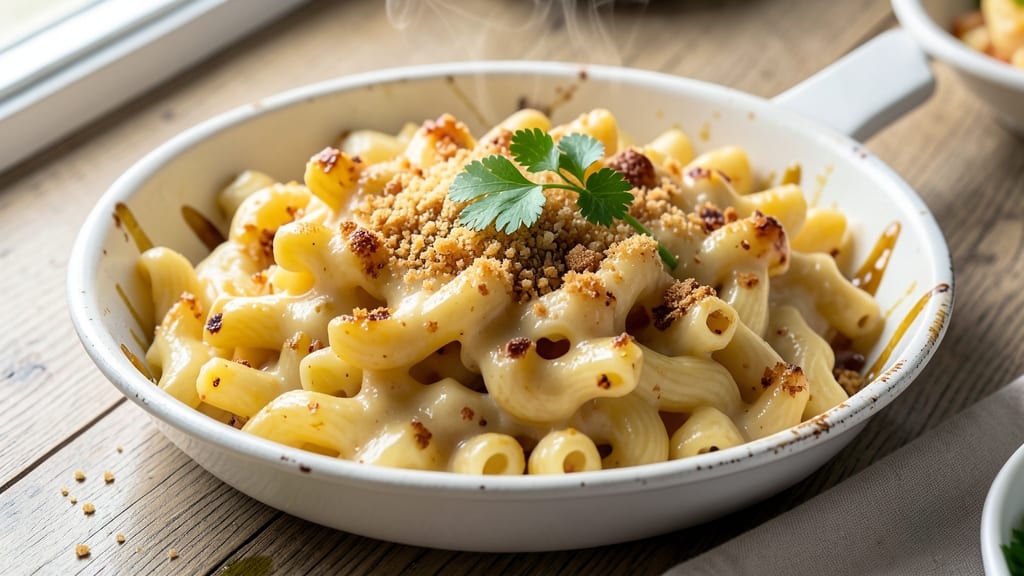
This aged cheddar mac and cheese delivers restaurant-quality depth with every forkful, thanks to the nutty, umami-rich flavor of properly aged cheddar.
The secret lies in a rich, velvety sauce that coats each al dente elbow macaroni perfectly, while crispy cheese chips on top add a satisfying crunch that takes this dish to the next level.
I've perfected this technique over years of testing—balancing stovetop smoothness with optional baking for that golden, bubbly finish.
The foundation starts with a flour roux that creates a stable base for melting sharp cheddar, while whole milk and cream build the sauce's luxurious texture.
What sets this apart is the aged cheddar itself—its complex, caramelized notes develop over months, creating a flavor profile that's far more interesting than standard cheddar. The sauce should be silky yet substantial, clinging to every noodle without being greasy.
By the time you're done, you'll have a mac and cheese that's rich, cheesy, and impossibly satisfying—with that perfect contrast of creamy sauce and crispy cheese chips on top.
The aged cheddar's depth shines through in every bite, making this version worthy of special occasions while still being simple enough for weeknight dinners. Serve with a simple green salad to balance the richness.
This recipe works equally well as a stovetop version for quick weeknight meals or as a baked casserole for holiday gatherings. The key is patience in melting the cheese and achieving that perfect sauce consistency. Let's get started on creating your most flavorful mac and cheese yet.
Ingredients for aged cheddar mac and cheese
Pantry staples meet aged cheddar magic for restaurant-quality mac and cheese.
| Ingredient | Amount | Notes |
|---|---|---|
| Elbow Macaroni 🍝 | 1 ½ lb | Al dente preferred, dry |
| Aged Sharp Cheddar Cheese 🧀 | 2 ½ cups | 2+ years aged, block preferred |
| Unsalted Butter 🧈 | ½ cup | Cold for roux, European preferred |
| All-Purpose Flour 🌾 | ½ cup | White or bread flour |
| Whole Milk 🥛 | 1 cup | Cold for smooth sauce |
| Heavy Cream 🥛 | ½ cup | Full-fat for richness |
| Garlic Cloves 🧄 | 3 cloves | Minced for depth |
| Yellow Onion 🧅 | 1 whole | Diced, sweet variety |
| Kosher Salt 🧂 | 1 ½ tsp | Diamond Crystal preferred |
| Ground Black Pepper 🌶️ | ½ tsp | Freshly cracked |
| Nutmeg 🌿 | ¼ tsp | Freshly grated |
| Extra-Virgin Olive Oil 🫒 | 2 tbsp | For crispy cheese chips |
The cheddar is non-negotiable here—2+ years aged delivers that nutty, caramelized depth you can't get with standard cheddar. Jars at specialty cheese shops or Whole Foods bulk bins are your best bets. Look for vibrant color and a slightly crumbly texture when grated. I always buy extra because it keeps for months in the fridge, and the flavor only gets better over time. For the butter, European-style like Plugrá has more flavor than American brands, but any good unsalted will work. The flour should be white or bread flour—no cake flour here.
No aged cheddar? Extra-sharp cheddar at half the amount plus a pinch of smoked paprika gets you close. Fresh out of nutmeg? Mace works at double the amount, though it's not the same. The olive oil for the cheese chips is worth upgrading—California avocado or Italian extra-virgin have the right balance of peppery and fruity. For the roux, don't rush it—cook the flour and butter until it's a deep golden color, about 5-7 minutes. That's what gives the sauce its stability. And if you're short on time, pre-shredded cheddar works, but freshly grated melts smoother.
This sauce gets better as it sits, so make it ahead if you can. Store in an airtight container for up to 3 days in the fridge. For the cheese chips, bake them fresh—they lose crispiness fast. Portion the mac and cheese into greased baking dishes before baking for easy serving. Leftovers? Reheat with a splash of milk to restore creaminess. The baked version reheats beautifully—just cover with foil to prevent drying out.
Why You'll Love This Recipe
- The secret’s in the timing: toast the elbow macaroni first, then fold it into the sauce still al dente. You get that perfect bite—crispy edges hugging creamy, tangy cheese. My kids fight over the last bite, and I don’t even pretend to care.
- Five-Ingredient Magic: That’s it—just five things in your pantry. No fancy gadgets, no last-minute grocery runs. The aged cheddar’s sharp bite melts into the roux made from butter and flour, while the milk smooths it all out. Honestly, I’ve made this while scrolling through my phone.
- That Crunchy-Creamy Fix: The secret’s in the timing: toast the elbow macaroni first, then fold it into the sauce still al dente. You get that perfect bite—crispy edges hugging creamy, tangy cheese. My kids fight over the last bite, and I don’t even pretend to care.
- Weeknight or Party Star: Slap this on the table when your friends drop by unannounced, or pack it for lunch the next day. The aged cheddar holds up better than fresh in leftovers—no sad, oily mess here. (Yes, even on a Tuesday night.)
Step-by-step instructions for aged cheddar mac and cheese
Here's how to make creamy, nutty perfection with that signature crunchy cheese chip topping.
🍳 Step 1: Cook the Elbow Macaroni Al Dente
Bring a large pot of water to a rolling boil and add 1.5 lb elbow macaroni. Stir immediately to prevent sticking. Cook until 1 minute before the package indicates al dente—this ensures perfect texture after baking. I like to taste-test a piece by biting into it; it should have a slight resistance but still be tender.
Reserve 1 cup of pasta water before draining. This starchy water is liquid gold for creating a silky sauce. Drain the pasta and set it aside—don't rinse it, as the surface starch helps the cheese cling beautifully. While the pasta cooks, I prep the cheese sauce ingredients to work efficiently.
👨🍳 Step 2: Build the Roux and Develop Flavor
In a heavy-bottomed pot, melt 0.5 cup unsalted butter over medium heat. Once foaming subsides, whisk in 0.5 cup all-purpose flour to form a smooth roux. Cook for 2-3 minutes, stirring constantly, until it turns a light golden color—this adds depth to the sauce and prevents a raw flour taste.
Add the minced 3 cloves garlic and diced 1 whole yellow onion to the roux. Cook for 3-4 minutes until softened and fragrant. Here's where the magic happens: the onions caramelize slightly, adding sweetness that balances the sharp cheddar. If the roux starts to darken too much, reduce the heat slightly to prevent burning.
🥘 Step 3: Create the Creamy Cheese Sauce
Gradually whisk in 1 cup whole milk and 0.5 cup heavy cream, ensuring no lumps form. Bring the mixture to a gentle simmer over medium-low heat, then reduce heat to low. Add 2.5 cups aged sharp cheddar cheese, stirring constantly until completely melted and smooth. The cheese should create a velvety sauce that coats the back of a spoon.
Season with 1.5 tsp kosher salt, 0.5 tsp ground black pepper, and 0.25 tsp nutmeg. Taste and adjust seasoning—aged cheddar is already salty, so you might need less than the full amount. If the sauce is too thick, whisk in pasta water 1 tablespoon at a time until it reaches a perfect pouring consistency.
🔥 Step 4: Combine and Bake to Perfection
Add the drained elbow macaroni to the cheese sauce and stir gently to coat evenly. Transfer the mixture to a greased 9x13-inch baking dish and spread it into an even layer. Here's the secret to that crispy top: use a fork to create crisscross patterns on the surface of the mac and cheese.
Bake at 375°F for 20-25 minutes until the top is golden brown and bubbly. Watch carefully in the last 5 minutes—this is when the cheese starts to develop that beautiful caramelized crust. If it browns too quickly, tent with foil to prevent over-browning.
🍽️ Step 5: Add Crispy Cheese Chips and Serve
While the mac and cheese bakes, make the crispy cheese chips: heat 2 tbsp extra-virgin olive oil in a small skillet over medium heat. Sprinkle in 0.25 cup grated aged sharp cheddar cheese (reserved from the 2.5 cups) and cook for 1-2 minutes until golden brown and crispy. Transfer to a paper towel-lined plate to drain excess oil.
Once the mac and cheese is out of the oven, sprinkle the crispy cheese chips evenly over the top. Let it rest for 5 minutes before serving—this allows the sauce to set slightly and makes cutting easier. The contrast of creamy, nutty cheese with crispy chips in every bite is what makes this recipe truly special.
Pro Tips For Making Aged Cheddar Mac And Cheese
- SHRED CHEESE COLD: Aged cheddar is stubborn when warm—it turns into glue. Grate it fresh from the fridge (yes, even if it’s a pain) and let it sit out for 10 minutes before melting. I learned this the hard way when my sauce turned into a sad, grainy paste instead of velvety perfection.
- COOK PASTA AL DENTE: Elbows should have just a tiny bite—no mushy nonsense. Taste one at 60 seconds before the package says, then drain immediately. Overcooked pasta soaks up the sauce like a sponge, and you’ll end up with a watery mess instead of creamy bites.
- BLOOM FLOUR FAST: Toss that flour into the butter over medium heat for 30 seconds before adding milk—just until it smells nutty and golden. This step builds flavor faster than slowly whisking cold roux. Skip it, and your sauce will taste bland, no matter how much cheese you throw in.
- SALT THE WATER: Add 1½ tablespoons of salt to the pasta water (yes, even with aged cheddar). The salt carries through the sauce, balancing the sharpness. I used to skip this, thinking the cheese was enough—wrong. The final dish needs that foundation.
Common mistakes when making your aged cheddar mac and cheese
Overcooking the Pasta
One of the biggest mistakes is cooking the pasta until it's mushy. Elbow macaroni should have a slight bite—1 minute before al dente is perfect for baked mac and cheese.
Overcooked pasta absorbs too much sauce and becomes gluey. I always taste-test a piece by biting into it; it should have resistance but still be tender. 🍝
Rushing the Roux
Skipping the proper roux development is a common error. Cook the flour and butter until it reaches a deep golden color—about 5-7 minutes. A pale roux will give you a raw flour taste, while a dark one turns bitter.
I use a heavy-bottomed pot to prevent burning and stir constantly for even cooking. 🔥
Adding Cheese Too Fast
Dumping all the cheese at once creates lumps instead of a smooth sauce. Add the aged cheddar gradually while stirring constantly over low heat. The cheese should melt completely into a velvety consistency. If you see lumps, whisk in a splash of pasta water to break them down. 🧀
Skipping the Resting Time
Serving mac and cheese immediately after baking causes the sauce to run everywhere. Let it rest for 5-10 minutes before cutting. This allows the sauce to set slightly and makes for cleaner slices. I also recommend resting the sauce off the heat for 5 minutes before combining with pasta. ✨
Ignoring the Cheese Chips
Many recipes skip the crispy cheese chip topping, but it's what elevates this dish. The contrast of creamy sauce and crunchy chips is essential. Cook the chips fresh—pre-made ones lose crispiness fast. Use high-quality extra-virgin olive oil for extra flavor. 🍴
Using Low-Quality Cheese
Not all cheddar is created equal. Aged sharp cheddar (2+ years) delivers that nutty, caramelized depth. Pre-shredded cheese contains anti-caking agents that prevent smooth melting. I recommend freshly grating block cheddar from specialty shops or bulk bins. 🧀
Nutrition facts
Frequently asked questions about aged cheddar mac and cheese
Can I substitute aged cheddar with regular cheddar?
You can, but the flavor won't be the same. Regular cheddar lacks the nutty depth from aging. For a similar effect, use extra-sharp cheddar and add ½ teaspoon smoked paprika to mimic aged cheddar's complexity. The sauce will still be creamy, but the umami punch will be noticeably different.
How do I make this mac and cheese without baking?
Simply cook the pasta al dente, then mix it with the cheese sauce on the stovetop. For extra richness, stir in 2 tablespoons of heavy cream at the end. Serve immediately with crispy cheese chips on top—no oven required! This version works best for quick weeknight meals.
Why did my cheese sauce get grainy?
Graininess usually happens when cheese melts too fast or the sauce isn't hot enough. Always melt cheese gradually over low heat while stirring constantly. If lumps form, whisk in 1 tablespoon of pasta water to smooth it out. For extra insurance, strain the sauce through a fine-mesh sieve before mixing with pasta.
Can I make this ahead of time?
Yes! Assemble the mac and cheese up to 24 hours ahead and refrigerate in an airtight container. Bake from cold at 375°F for 30-35 minutes, adding 5 minutes if it's cold. For the cheese chips, make them fresh before serving—they lose crispiness fast.
What's the best pasta shape for this recipe?
Elbow macaroni is ideal because its shape holds the cheese sauce beautifully. Other great options include penne or farfalle, which also trap sauce well. Avoid long, thin noodles like spaghetti—they won't work as effectively in baked dishes.