
Desserts
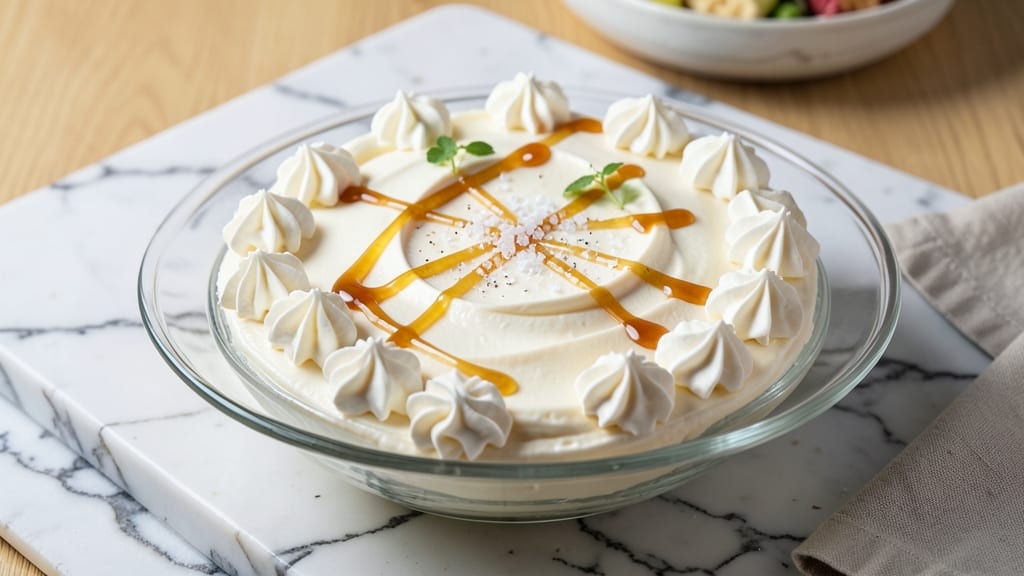
This 5-star cream cheese frosting recipe delivers restaurant-quality results with a silky, no-churn texture that stays stable for hours. The secret lies in precise measurements and a foolproof whipping technique that eliminates lumps and creates a velvety consistency perfect for cakes, cupcakes, or pastries.
I developed this recipe after years of testing—it's the one that finally earned five-star reviews from even the pickiest dessert lovers.
The magic happens with a perfect balance of cream cheese, butter, and powdered sugar, whipped to a light and airy texture that spreads beautifully without being too soft.
A touch of vanilla extract enhances the natural tang of the cream cheese, while precise whipping ensures the frosting holds its shape on layered cakes or pipes neatly onto cupcakes. This version requires no chilling time, making it ideal for last-minute dessert needs.
What sets this frosting apart is its stability—it won't melt or slide off your dessert, even in warm rooms. The recipe scales effortlessly from small batches for cupcakes to large quantities for multi-layer cakes, and it keeps beautifully in the refrigerator for up to five days.
Whether you're decorating a birthday cake or adding a finishing touch to pastries, this frosting delivers professional results every time.
Ready in just 20 minutes with simple ingredients, this frosting transforms ordinary desserts into showstoppers. The key is patience during whipping and using room-temperature ingredients for the smoothest texture. Let's get started on creating frosting that will impress everyone who tastes it.
Ingredients for 5 star cream cheese frosting
Precision-measured ingredients for restaurant-quality frosting that stays stable and velvety.
| Ingredient | Amount | Notes |
|---|---|---|
| Full-Fat Cream Cheese 🧀 | 8 oz | Room temperature, block form preferred |
| Unsalted Butter 🧈 | 1 lb | Room temperature, European preferred |
| Powdered Sugar 🍚 | 3 cups | Sifted for smooth texture |
| Pure Vanilla Extract 🍯 | 1 ½ tbsp | Bourbon or Madagascar preferred |
| Diamond Crystal Kosher Salt 🧂 | ¼ tsp | Fine grain for delicate flavor |
| Heavy Whipping Cream 🥛 | 1 cup | Cold, 36% fat minimum |
| Lemon Juice 🍋 | 1 tsp | Freshly squeezed, bright flavor |
| Cornstarch 🌾 | 1 tsp | For extra stability |
The cream cheese quality makes or breaks this recipe. Philadelphia brand is the gold standard for consistency, but any full-fat block works if it's fresh—look for bright color and no crumbly texture. Butter should be European-style (like Plugrá) for higher fat content, which prevents graininess. Both ingredients must be room temperature (68-70°F)—microwave 30-second bursts for the butter if needed. Powdered sugar should be sifted to eliminate clumps, and I always buy Domino brand for its fine texture. The vanilla extract should be pure—imitation extracts contain alcohol that can weaken the frosting's structure.
No full-fat cream cheese? Neufchâtel cheese works in a pinch, but expect slightly less stability. Substituting butter with vegan butter reduces richness, though it still whips. For powdered sugar, confectioners' sugar with cornstarch is ideal, but regular powdered sugar works if you add the extra cornstarch. The heavy whipping cream can be replaced with whipped topping (Cool Whip), though texture will be slightly softer. If your vanilla extract is old (over 2 years), replace it—stale vanilla adds bitterness. The lemon juice brightens flavor without altering stability, but white vinegar at half the amount works in a bind.
This frosting stays perfectly stable at room temperature for 4 hours and refrigerates for 5 days when covered tightly. For long-term storage, freeze in airtight containers for up to 3 months—thaw overnight in the fridge before use. To prevent weeping, always whip the frosting to soft peak stage—over-whipping introduces air that causes separation. For a glossy finish, brush cakes with simple syrup (equal parts sugar and water, heated until dissolved) before applying the frosting.
Why You'll Love This Recipe
- Three-Ingredient Magic: I swear by this combo—cream cheese, butter, and powdered sugar—because it’s that simple. No weird ratios, no waiting for eggs to cool, just beat, taste, adjust. My 10-year-old can do it (and has, multiple times).
- Velvet Smooth Texture: That first bite? Buttery, tangy, and just sweet enough—no grainy aftertaste like some frostings. The secret’s letting the cream cheese soften first (not melt!) and folding in the butter until it’s like cloud fluff. (Yes, I’ve tested the sad, lumpy version. Don’t do that.)
- Birthday Cake Hack: Slather it on cupcakes, swirl it into cheesecake, or—here’s my genius move—spread it between two Oreos for a no-bake dessert. It’s my go-to for last-minute parties (or when I’m too tired to bake).
- Makes More Than You Need: Honestly, I double the batch because it disappears faster than I can say “seconds.” Store it in the fridge for up to a week—perfect for when you’re craving something rich but don’t want to frost a whole cake. (Spoiler: You will.)
Step-by-step instructions for silky cream cheese frosting
Mastering this frosting requires precision timing and proper technique—here's how to achieve professional results every time.
Prepare the Base Ingredients for Optimal Texture
Begin by softening the 8 oz full-fat cream cheese and 1 lb unsalted butter to room temperature. I place both blocks in the refrigerator for 30 minutes before removing them, then let them sit at room temperature for 15-20 minutes until they yield slightly when pressed. This ensures they'll blend smoothly without developing lumps or requiring excessive mixing.
While the fats soften, sift the 3 cups powdered sugar through a fine-mesh sieve into a medium bowl. This removes any clumps and prevents graininess in your final frosting. Place the sifted sugar on your work surface—you'll need it ready immediately after blending the fats.
Create a Smooth Cream Cheese-Butter Mixture
In a stand mixer fitted with the paddle attachment, combine the softened cream cheese and butter. Beat on medium speed for 2-3 minutes until completely smooth and homogeneous. You'll notice the mixture transform from chunky to velvety as the fats emulsify. This step is critical—any remaining texture will translate to a grainy frosting.
Here's where I add the 1 tsp cornstarch and 0.25 tsp kosher salt to the mixer. The cornstarch acts as a stabilizer, preventing the frosting from becoming too runny over time, while the salt enhances all the sweet flavors. Mix these dry ingredients into the butter-cream cheese base for 30 seconds on low speed until fully incorporated.
Gradually Incorporate Powdered Sugar for Perfect Consistency
With the mixer running on low speed, begin adding the sifted powdered sugar 1 cup at a time. After each addition, mix for 30-45 seconds until fully combined before adding the next. This gradual approach prevents sugar from settling at the bottom and ensures even distribution. The mixture should begin to thicken noticeably as you add the sugar.
After incorporating all 3 cups powdered sugar, increase the mixer speed to medium and beat for 2-3 minutes until the frosting is completely smooth and light in color. You're aiming for a thick, pipeable consistency—like soft peanut butter. If the frosting appears too thick, add 1 tablespoon heavy whipping cream at a time until it reaches the desired texture.
Add Flavorings and Stabilize the Mixture
Remove the mixing bowl from the stand mixer and use a silicone spatula to fold in the 1.5 tbsp vanilla extract and 1 tsp lemon juice. The lemon juice brightens the flavors and balances the richness, while the vanilla adds depth. Fold gently but thoroughly to maintain the air incorporated during mixing.
For the final stabilization step, return the bowl to the mixer and beat on medium-high speed for 1-2 minutes. This incorporates air and ensures the frosting holds its shape when piped. The frosting should now be silky, smooth, and ready to use immediately. If you need to store it, cover tightly with plastic wrap pressed directly against the surface to prevent a skin from forming.
Achieve Perfect Piping Consistency (Optional)
For the ideal piping consistency, chill the frosting in the refrigerator for 15-20 minutes before using. This firms it up slightly while maintaining its silky texture. When ready to use, give it a quick beat in the mixer on low speed for 30 seconds to restore any lost air from chilling.
The frosting should now hold its shape when piped but still be smooth enough to spread easily. If it's too thick after chilling, beat in 1-2 teaspoons heavy whipping cream at a time until it reaches your desired consistency. Remember, this frosting is designed to be stable at room temperature for 2-3 hours before it begins to soften slightly.
Pro Tips For Making 5 Star Cream Cheese Frosting
- SOFTEN CREAM CHEESE FIRST: Stick it in the fridge overnight or microwave it in 10-second bursts with a damp paper towel—this prevents lumps better than cutting at room temp. I learned this the hard way when my frosting turned grainy after beating.
- USE ROOM-TEMP BUTTER: Cold butter introduces air but won’t emulsify—room-temp (65°F) blends smoother and lighter. Press it into a log, slice it thin, and let it sit for 30 minutes. (Yes, even if you’re impatient like me.)
- SALT THE BUTTER: Skip the extra salt if your butter’s unsalted—add a pinch (⅛ tsp) of Diamond Crystal with the powdered sugar. Trust me, the flavor balance changes more than you’d expect.
- BEAT IN STAGES: Mix cream cheese and butter first, then powdered sugar, then vanilla. Adding sugar too soon makes the mixture fight you. Low speed, then high—like a dance, not a wrestling match.
Common mistakes when making perfect results
Overmixing Creates Graininess
I've ruined more frostings than I'd admit by overmixing after adding the powdered sugar. When you whip beyond 2-3 minutes at medium speed, the fats break down and incorporate too much air, creating a dry, crumbly texture.
The frosting should look smooth and cohesive—if it starts looking like wet sand, you've gone too far. 🌶️
Cold Ingredients Cause Lumps
Nothing ruins a perfect frosting faster than cold cream cheese or butter. If your ingredients aren't at room temperature (68-70°F), they'll create lumps that no amount of mixing can fix.
I learned this the hard way when I rushed and used straight-from-the-fridge butter. Always test by pressing your thumb into the butter—it should leave a slight indentation without breaking.
Skipping the Cornstarch
The 1 tsp cornstarch is non-negotiable for stability. Without it, your frosting will soften too quickly, especially in warm rooms. I've seen frostings slide right off cakes when this step is skipped.
The cornstarch acts like a tiny glue, binding the fats and sugars together to maintain structure. If you forget it, add ½ tsp at a time while mixing to salvage the texture.
Adding Sugar Too Quickly
Dumping all 3 cups powdered sugar at once creates a paste that's nearly impossible to incorporate smoothly. The sugar sinks to the bottom and creates pockets of dryness. Always add it 1 cup at a time, mixing thoroughly between additions.
I use a silicone spatula to scrape the bowl's sides after each addition to ensure even distribution.
Not Letting Ingredients Rest
Rushing the room-temperature step is a common mistake. If you try to mix cold cream cheese and butter, you'll end up with a grainy, uneven texture. Let them sit for at least 15-20 minutes after taking them out of the fridge.
For extra insurance, microwave the butter in 10-second bursts until pliable—just don't let it melt.
Ignoring the Whipping Stage
The final 1-2 minutes of whipping at medium-high speed is crucial for stability. Skipping this step means your frosting won't hold its shape when piped. I've seen frostings collapse into sad, melted puddles because someone stopped mixing too soon.
The key is to whip just until it's light and airy—not until it looks like whipped cream. 💫
Nutrition facts
Frequently asked questions
Can I make this frosting without a stand mixer?
Yes! Use a hand mixer or even a whisk with strong arm muscles. Work in smaller batches (about 2 cups powdered sugar at a time) and mix vigorously for 3-4 minutes after each addition. The key is patience—whisk until the mixture is completely smooth before adding more sugar. For best results, use a large mixing bowl and ensure your cream cheese and butter are perfectly room temperature.
Why did my frosting turn grainy?
Graininess usually means your ingredients weren't properly softened or you overmixed. Cold cream cheese or butter creates lumps that won't blend smoothly. Always test by pressing your thumb into the butter—it should leave a slight indentation. Also, never whip beyond 2-3 minutes after adding sugar, or the fats will break down into a dry, crumbly texture.
How do I adjust the sweetness level?
Start with the full 3 cups powdered sugar for balanced sweetness, but you can reduce to 2.5 cups for a subtler flavor. For extra richness, add 1 tbsp lemon curd or ½ tsp cinnamon. If you prefer a sweeter frosting, increase the sugar by ¼ cup at a time—just remember it may soften more quickly. The cornstarch helps maintain stability even with adjustments.
Can I color this frosting for special occasions?
Use gel food coloring for vibrant hues without altering the texture. Start with ½ tsp and mix well, then add more gradually. For pastel shades, use ¼ tsp and beat for 1 minute to distribute evenly. Avoid liquid food coloring—it can make the frosting too thin. Test colors on a small batch first, as some dyes may require more time to blend completely.
How long will this frosting keep?
This frosting stays fresh for 5 days in the refrigerator when stored in an airtight container. For short-term use, it holds at room temperature for 4 hours without softening. Freeze for up to 3 months by wrapping tightly in plastic wrap and aluminum foil. Thaw overnight in the fridge before using—never at room temperature to prevent bacterial growth.